

Loitering Munitions
Loitering Munitions 2026: Systems, Costs and Who Builds Them
What a loitering munition is, how it differs from an FPV drone and a cruise missile, what the systems actually cost, and who is buying them in 2026.
Last updated:
16 news articles on Loitering Munitions ↓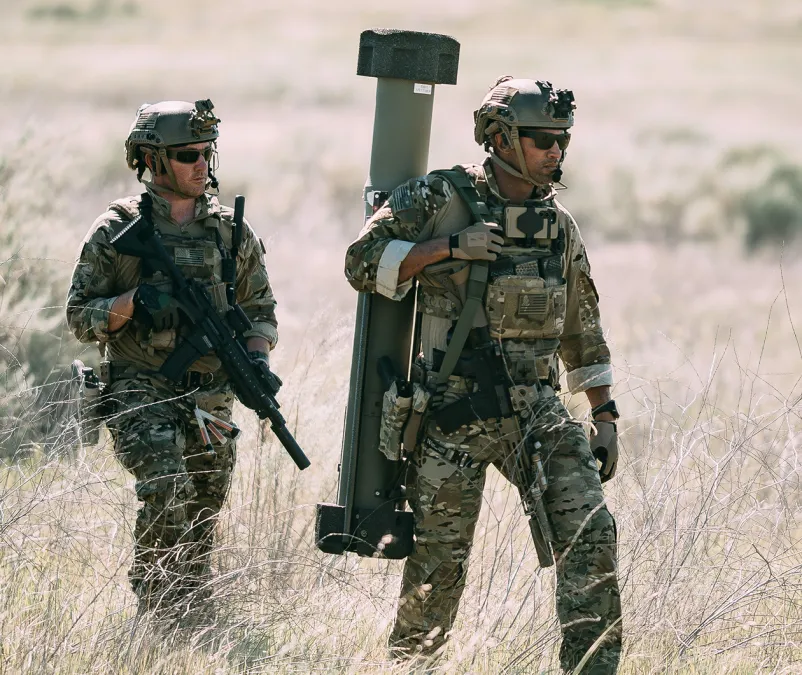
Guide overview
A loitering munition is a weapon that flies to a target area, waits there under its own power while a sensor looks for something worth hitting, and then destroys itself and the target together. The waiting is the defining part. A cruise missile is committed the moment it launches. A loitering munition can circle, observe, be redirected, and in some designs be recalled and recovered without detonating.
That single capability sits between two categories that already existed — the armed reconnaissance drone and the precision-guided missile — and it has turned out to be one of the most consequential weapons developments of the last decade, mostly because it is cheap.
What Separates It From an FPV Drone
The distinction matters because the two are constantly conflated, including by people buying them.
An FPV attack drone is a first-person-view racing airframe with an explosive strapped to it, flown manually by an operator watching a video feed. It is improvised in origin, extremely cheap, and entirely dependent on a live radio link to a human pilot. Jam the link and it fails.
A loitering munition is a purpose-built weapon with an integrated warhead, a guidance package, and some degree of onboard autonomy in the terminal phase. It is designed to be stored, transported and issued as ammunition. Many can complete an attack after the operator’s link is lost.
In practice the line has blurred from both directions — FPV drones have acquired better autonomy, and manufacturers have built cheaper munitions to compete with them — but the procurement distinction holds. One is a consumable a unit assembles; the other is a round a ministry buys.
Against a cruise missile the difference is speed, cost and persistence. Cruise missiles fly faster, carry more, and cost one to two orders of magnitude more. Loitering munitions are slower and lighter, and they can wait.
The Terminology Is Changing
If you are searching procurement documents, note that the vocabulary has shifted. NATO and European programmes increasingly use one-way effector or one-way attack drone rather than loitering munition, particularly for longer-range systems.
The shift is not purely cosmetic. “One-way effector” describes the economics — the airframe is expended — without implying the loitering behaviour, which some long-range systems barely do. A weapon that flies 500 km to a fixed coordinate is not really loitering. Expect both terms in tenders, often in the same document.
The Categories
There is no formal classification, but systems group roughly by range and what carries them.
Man-portable / squad level. Tube-launched, carried by an individual or a two-person team, engaging vehicles and personnel at a few kilometres. The AeroVironment Switchblade 300 is the reference design. Warheads are small, comparable to a grenade or a light anti-armour round.
Tactical. Vehicle- or team-carried, tens of kilometres of range, anti-armour warheads. The Switchblade 600 and the Russian Lancet series sit here. This is the band that has done most of the visible damage in Ukraine.
Long-range strike. Hundreds to a thousand-plus kilometres, targeting infrastructure, logistics and air defence rather than vehicles. The Iranian Shahed-136 defined the category. These are barely loitering munitions in the original sense — they are cheap one-way cruise missiles.
Air-launched. Released from an aircraft or a larger drone, extending reach without a ground launcher.
Jet-powered. A growing subcategory aimed at cutting time-to-target, which is the main tactical weakness of a propeller-driven munition.
What They Cost
This is the most-asked question about loitering munitions and the one with the least reliable answer. Treat every figure below as a reported estimate, not a price list. Manufacturers rarely publish unit prices, defence contracts bundle training, spares and support into totals, and figures for Russian and Iranian systems come from intelligence assessments and captured examples rather than invoices.
With that stated, the reported ranges:
| System | Reported unit cost | Basis |
|---|---|---|
| Shahed-136 (Iran) | ~$20,000–$50,000 | Widely reported estimates; export pricing has been cited far higher, around $193,000 |
| Lancet series (Russia) | ~$75,000–$80,000 | Reported estimates |
| LUCAS (US) | ~$35,000 | Reported unit cost |
| Sting interceptor (Ukraine) | ~$2,100 | Reported unit cost |
The spread on the Shahed-136 — a factor of ten between the low domestic estimate and the cited export price — is a fair illustration of how soft these numbers are. Anyone citing a single confident figure for an Iranian or Russian system is repeating someone else’s estimate.
For US systems, contract totals are firmer than unit prices. AeroVironment received a $186 million order for Switchblade 600 Block 2 and Switchblade 300 Block 20, under a $990 million IDIQ. Army procurement plans for the LASSO programme run to roughly $1.2 billion across fiscal years 2026 to 2031. Unit counts were not disclosed, so unit costs cannot be derived from them.
The Cost Asymmetry
The reason these weapons matter strategically is not what they cost but what it costs to stop them. A Patriot PAC-3 interceptor runs to roughly $4 million and a THAAD interceptor as much as $12 million, against a target that may have cost $20,000 to build.
That exchange ratio is unsustainable for the defender in any sustained campaign, and it is the central problem in air defence today. We covered the mechanics of it in The $50,000 Problem, and the emerging counter — cheap interceptors like Ukraine’s $2,100 Sting — in the counter-drone technology guide.
Who Builds Them
United States. AeroVironment dominates with the Switchblade family, now including the Switchblade 400 selected for the Army’s LASSO programme in May 2026. SpektreWorks builds the LUCAS FLM-136. DZYNE Technologies and Anduril are both in the category.
Israel. Long-established, with the IAI Harop and the Elbit Hero series. Elbit Systems exports widely.
Russia. The Lancet series, plus licensed and locally built Shahed derivatives.
Iran. The Shahed family, exported and licensed at scale.
Europe. The fastest-moving region right now. Rheinmetall demonstrated its FV-014 to a prospective NATO customer in February 2026. Germany’s parliament approved an initial €540 million package for medium-range loitering munitions on 25 February 2026, sourced from Helsing and Stark, with a stated focus on equipping the German brigade in Lithuania. Poland’s WB Group builds the Warmate.
Ukraine. A domestic industry built under wartime conditions, now exporting expertise as much as hardware.
What Europe Is Buying in 2026
The significant development is collective. France, Germany, Poland, Italy, the United Kingdom and Sweden signed a Letter of Intent under the European Long-range Strike Approach (ELSA) to jointly develop a standardised low-cost capability beyond 500 km, based on one-way attack effectors. The resulting weapon, designated One Way Effector 500 Plus, is expected to carry a warhead of around 50 kg.
Standardisation is the point. Europe’s problem has not been an inability to build these weapons but a proliferation of incompatible national programmes at volumes too low to get the unit cost down. Whether ELSA solves that is the open question; letters of intent are not production contracts.
The Honest Limitations
Loitering munitions are not a general-purpose answer, and the enthusiasm around them outruns the evidence in three places.
They are slow. A propeller-driven munition takes minutes to reach a target that a missile reaches in seconds. Against a moving or time-sensitive target that is often disqualifying, which is why the jet-powered subcategory exists.
They are jammable. Electronic warfare degrades them badly, and the systems that resist it — inertial and visual navigation, terminal autonomy — cost more, which erodes the cheapness that is the whole argument.
The cheap ones are cheap for a reason. Small warheads, limited sensors, and high failure rates in the field. Published range and endurance figures are almost always measured in benign conditions.
The category is genuinely reshaping land warfare. It is also the subject of a great deal of marketing, and the gap between a demonstration and a fielded, jam-resistant, mass-produced round is where most programmes fail.
Latest Coverage

Army orders $51M more Switchblades as rivals enter LASSO
AeroVironment took a $51M Switchblade order on August 26. In the same seven months the Army let a rival into LASSO and the Marines picked Anduril.
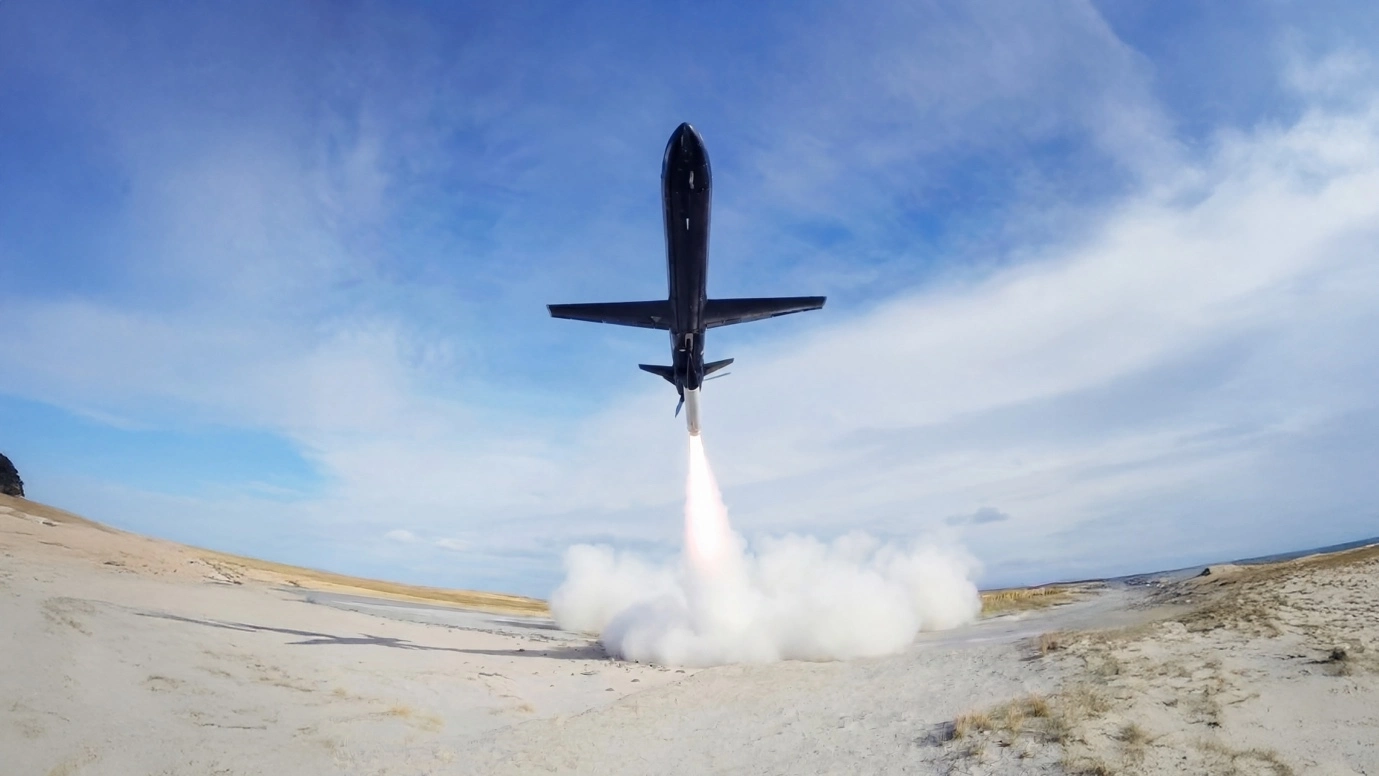
Rotron Aerospace SkyLance Loitering Munition Passes First Tests
Rotron Aerospace completes demonstration tests of SkyLance, a low-cost long-range loitering munition, days after US firm Ondas acquires the British drone maker.
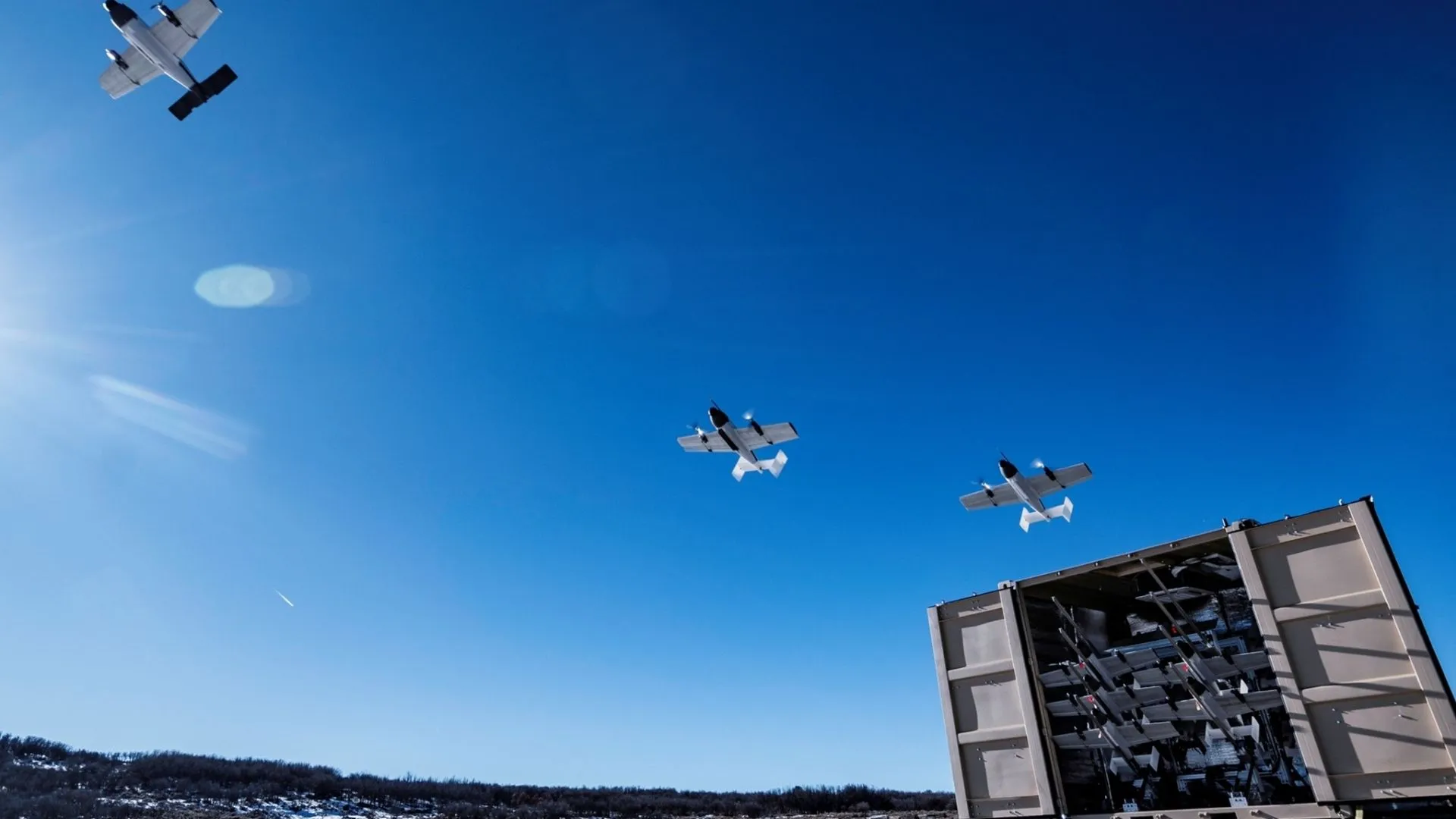
DZYNE Technologies Unveils Blitz, a Mass-Producible Kamikaze Drone
DZYNE Technologies' Blitz is a Group 1 one-way attack drone with 80–150 km range, swarm-capable via BlitzBox ISO container, targeting the DoD's Drone Dominance Initiative.

How Europe Is Integrating AI Into Its Military Forces in 2026
Germany, France, and the UK are leading European AI military integration, from Helsing loitering munitions to Palantir partnerships, with Ukraine as the live test environment.
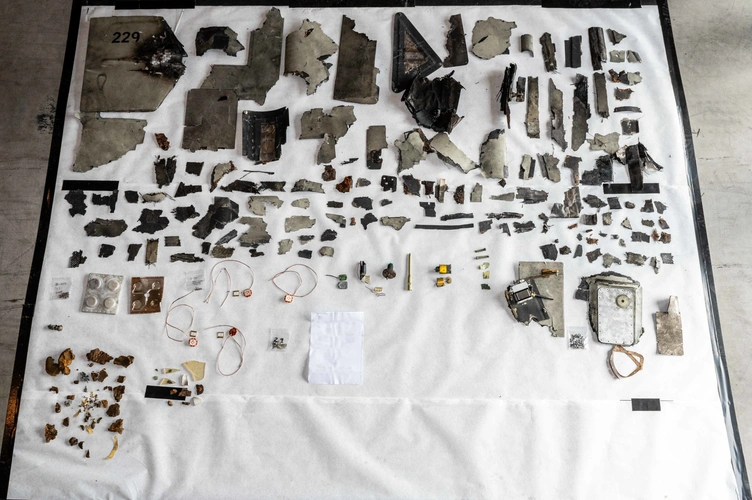
The $50,000 Problem: How Cheap Drones Are Breaking Modern Air Defense
A $50,000 Shahed drone forces a $4 million Patriot shot. Russia launched 6,583 of them in April alone. The economics of drone warfare have shifted — and nobody has solved it.
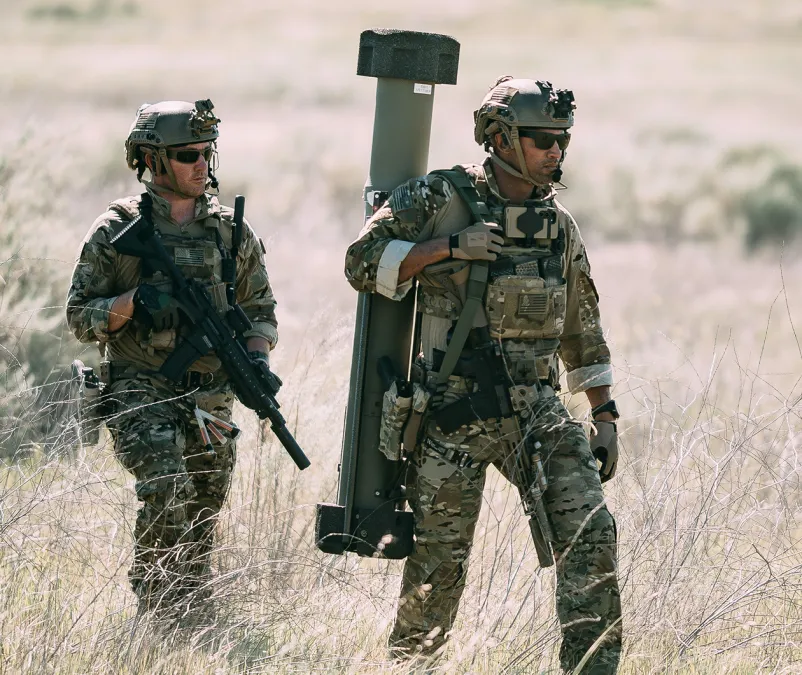
AeroVironment Wins Army LASSO Contract for Switchblade 400
AeroVironment has won a U.S. Army prototype agreement for the LASSO program to develop and test its Switchblade 400 anti-armor loitering munition.
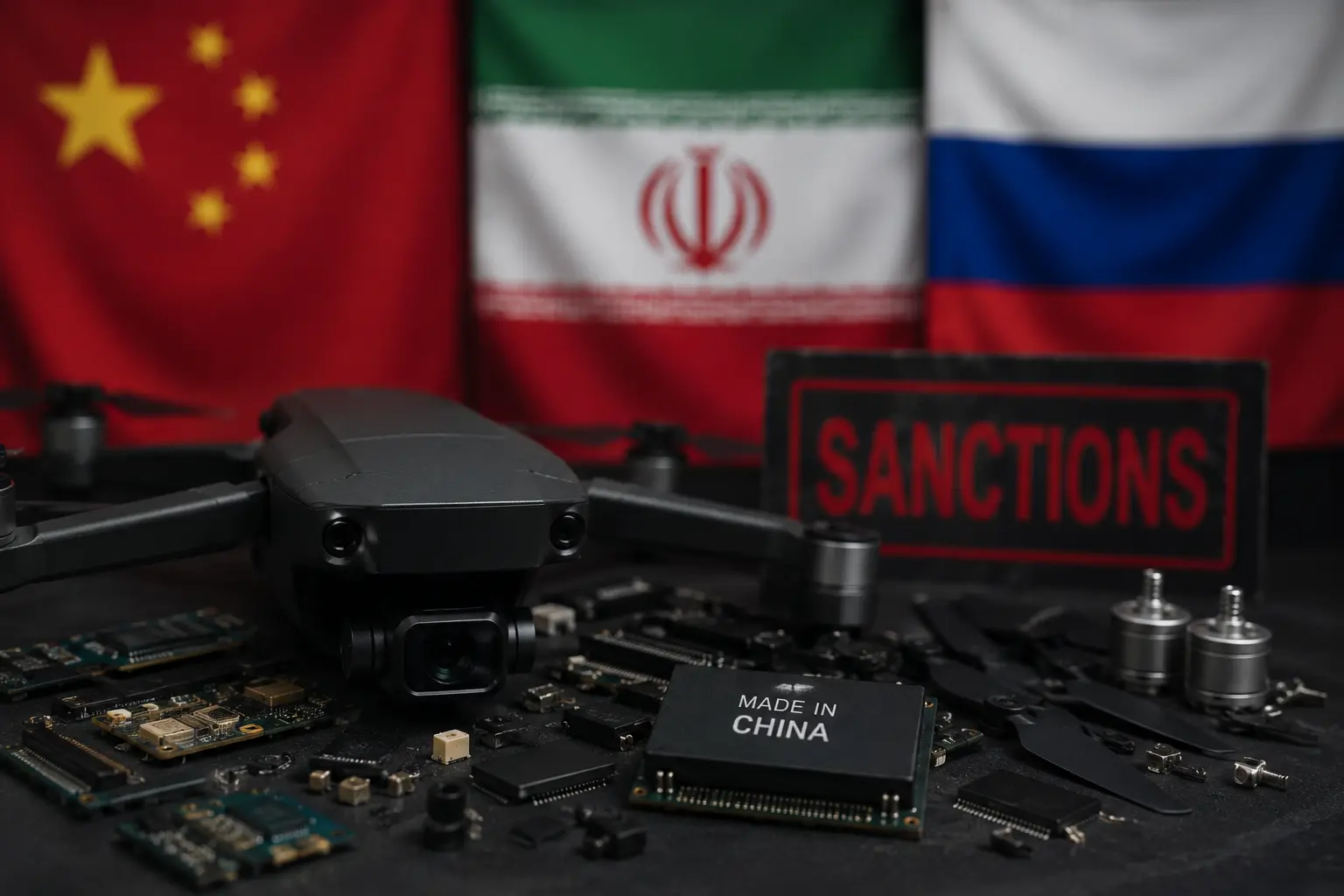
Chinese Firms Still Shipping Drone Parts to Iran and Russia, WSJ Reports
Chinese exporters are openly shipping drone components including engines, batteries, and microchips to Iran and Russia despite US sanctions, the WSJ reports.
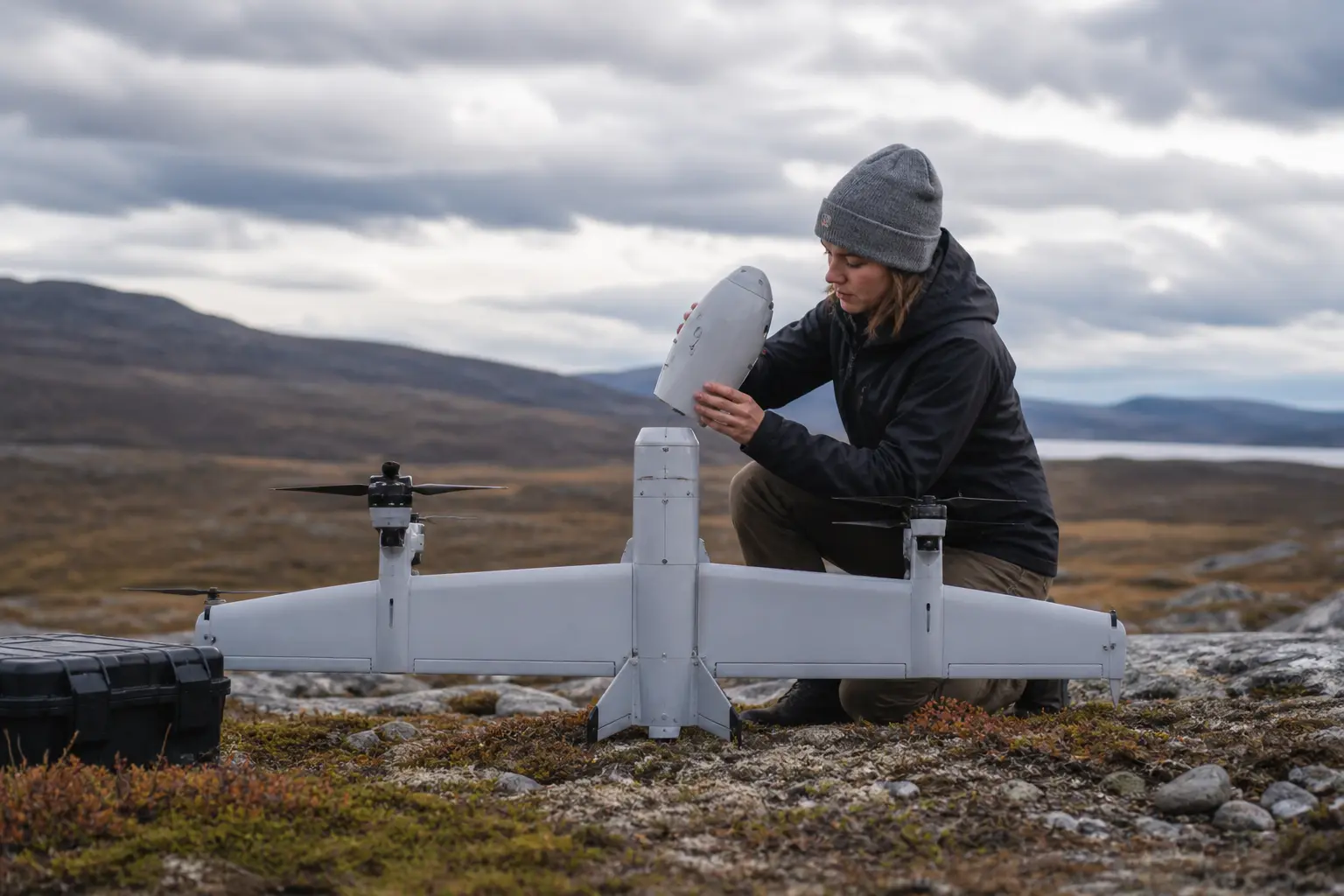
Bundeswehr Tests AI Drone Swarms with STARK Munitions
Germany's Bundeswehr tested AI-enabled recce-strike drone swarms with STARK's Virtus munition and Minerva C2 software.
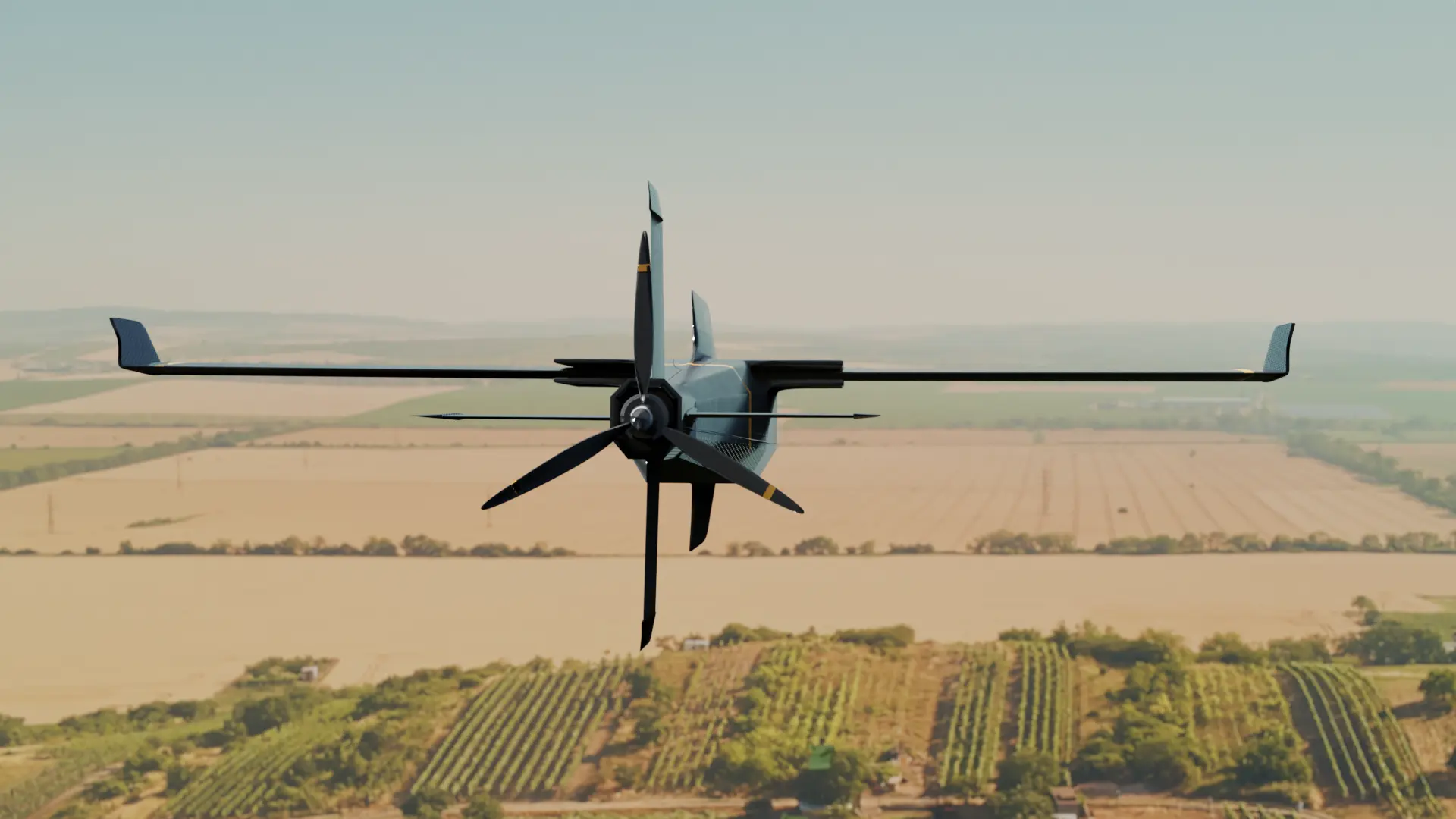
Rheinmetall's €2.4B Drone Contract Can't Stop Stock Slide
Rheinmetall wins a €2.4B loitering munition contract for Germany but shares hit a 52-week low on valuation concerns.
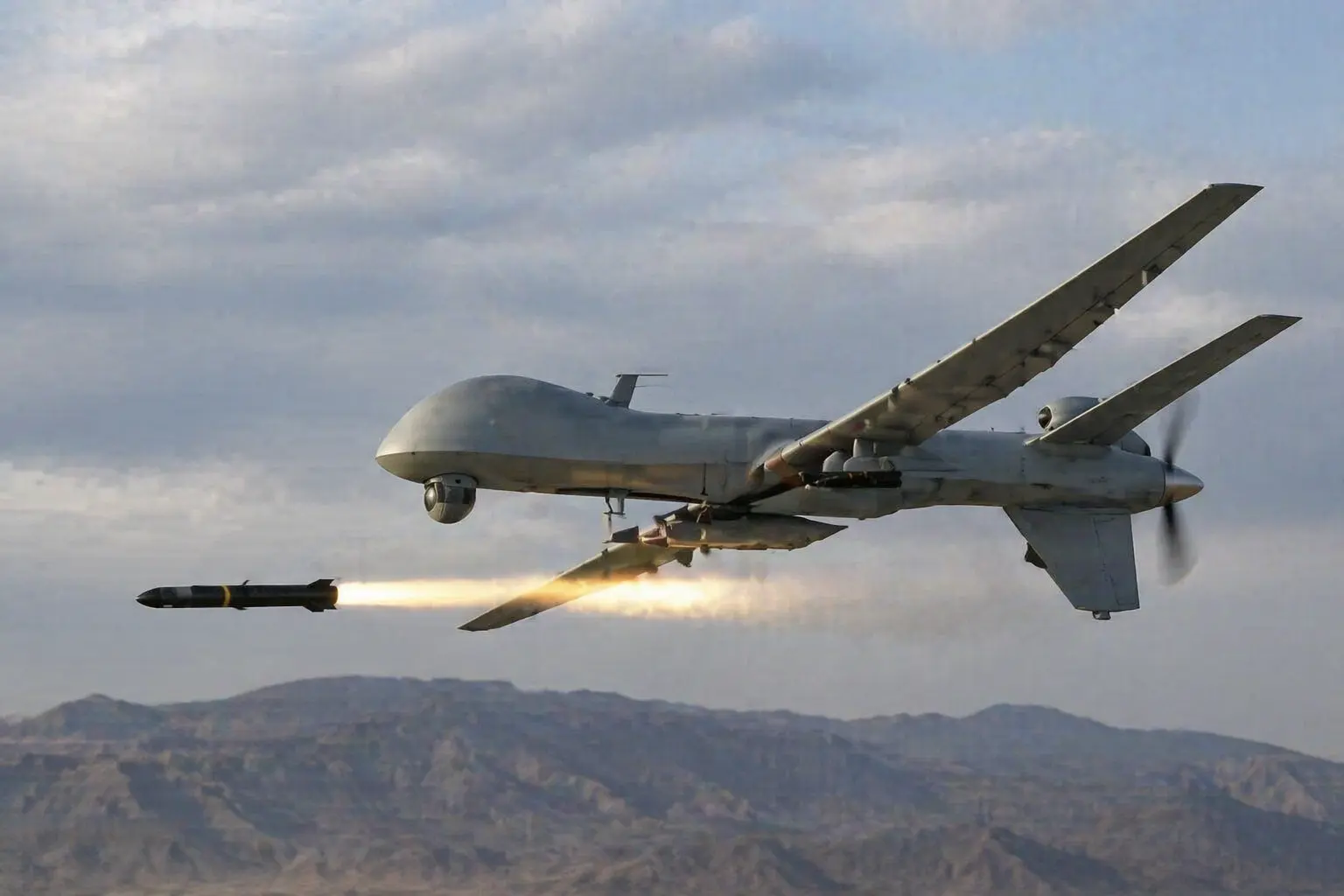
Sixth-Generation C-UAS: How the Drone War Is Evolving
AI interceptors, networked kill chains, and Ukraine's Drone Line define the next stage of counter-drone warfare in 2026.
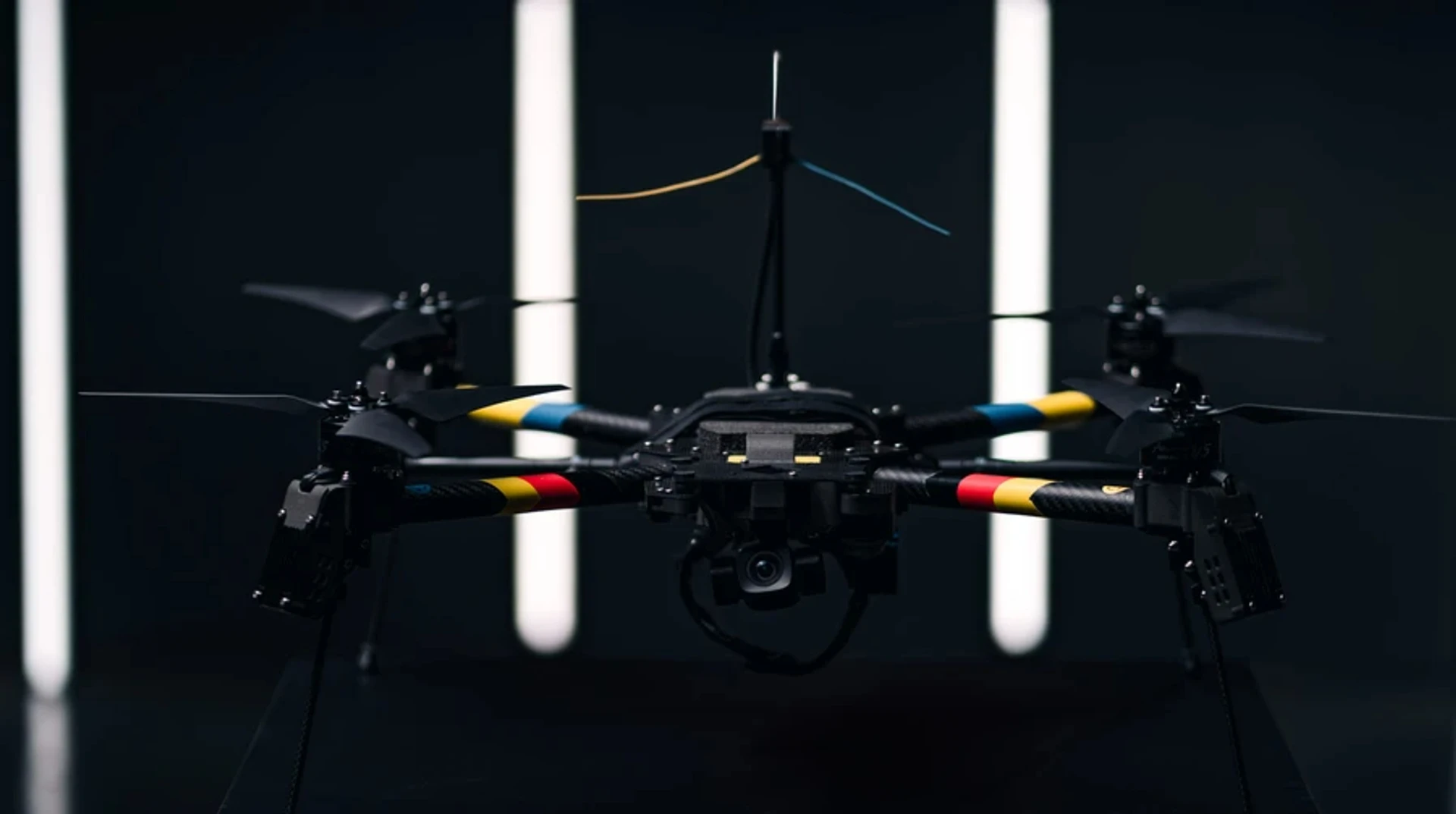
Frontline Robotics Begins Drone Production in Germany
Frontline Robotics and Quantum Systems launched a joint venture in Germany — Ukraine's first official military tech export.
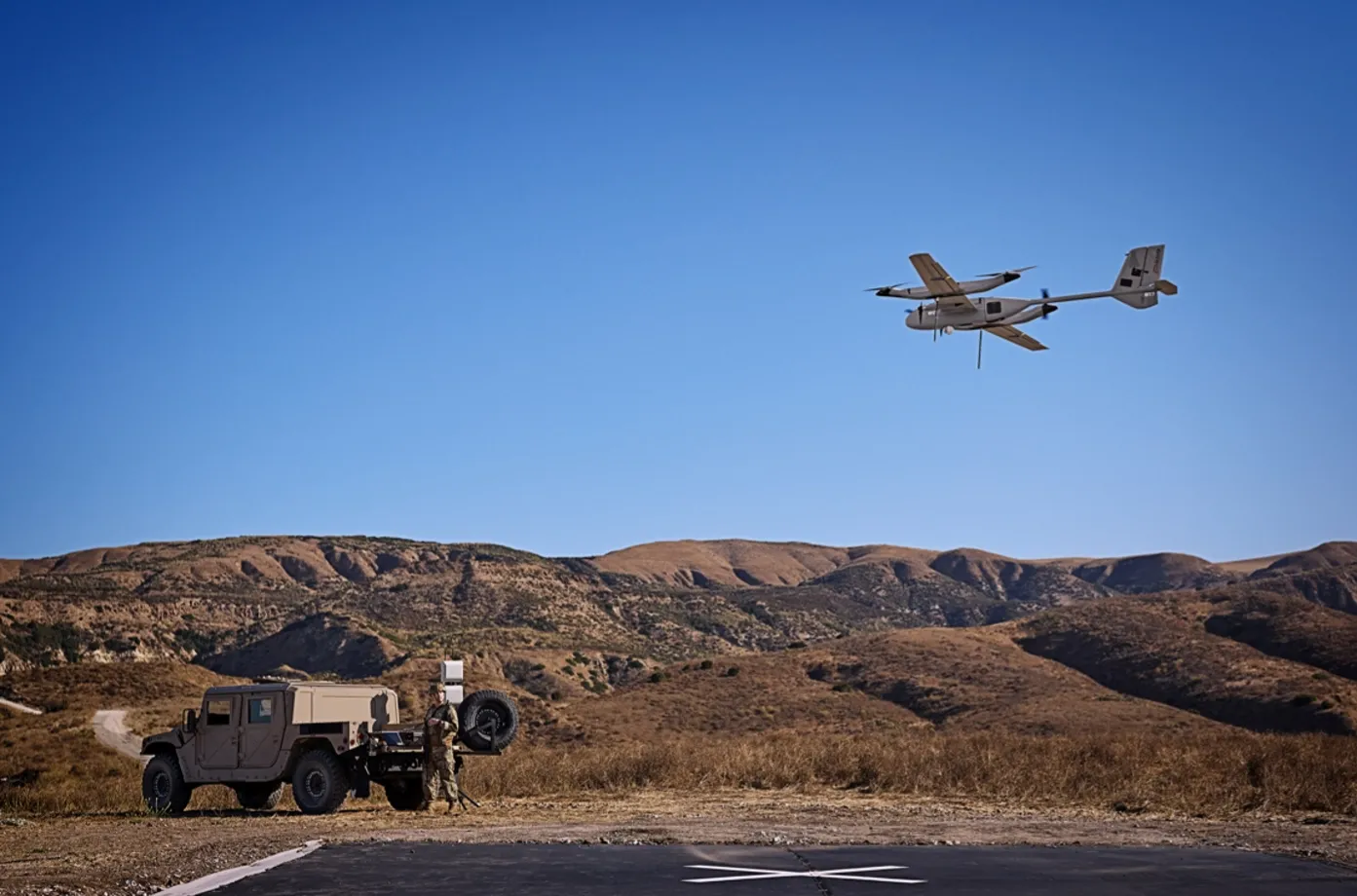
Army Awards AeroVironment $134M for Red Dragon, P550
The US Army has contracted AeroVironment for its Red Dragon one-way attack drone and P550 reconnaissance platform in deals totaling over $134 million.
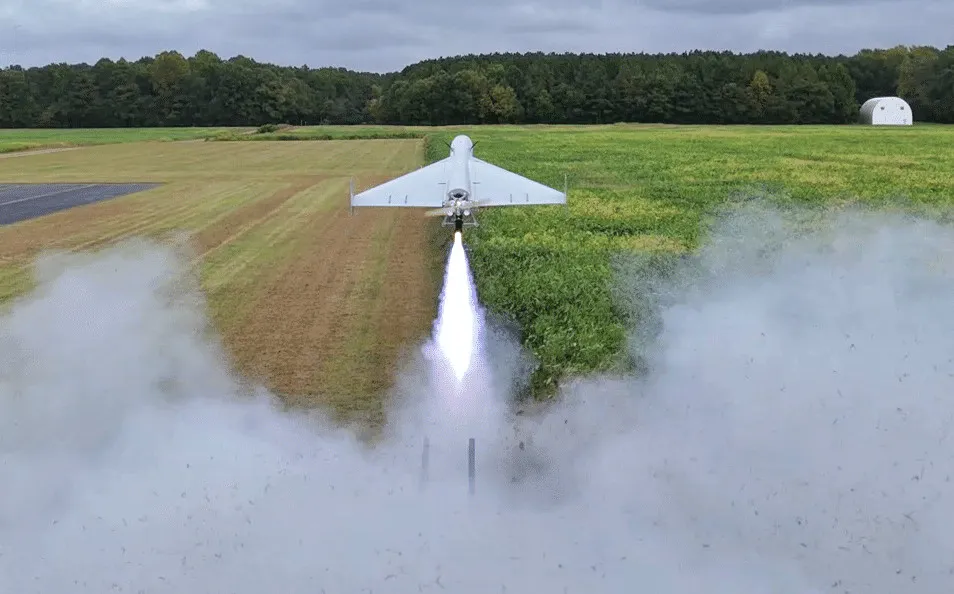
LUCAS FLM-136: The US Answer to the Shahed
SpektreWorks' FLM-136 LUCAS is a $35,000 US loitering munition modelled on Iran's Shahed-136, now used in combat against Iran by US Central Command.

Russia Launches 172 Drones at Ukraine in Single Night Attack
Russia hit Ukraine with 172 Shahed and Gerbera drones overnight April 1-2. Air defenses downed 147. Twenty-two drones struck targets across 12 locations.
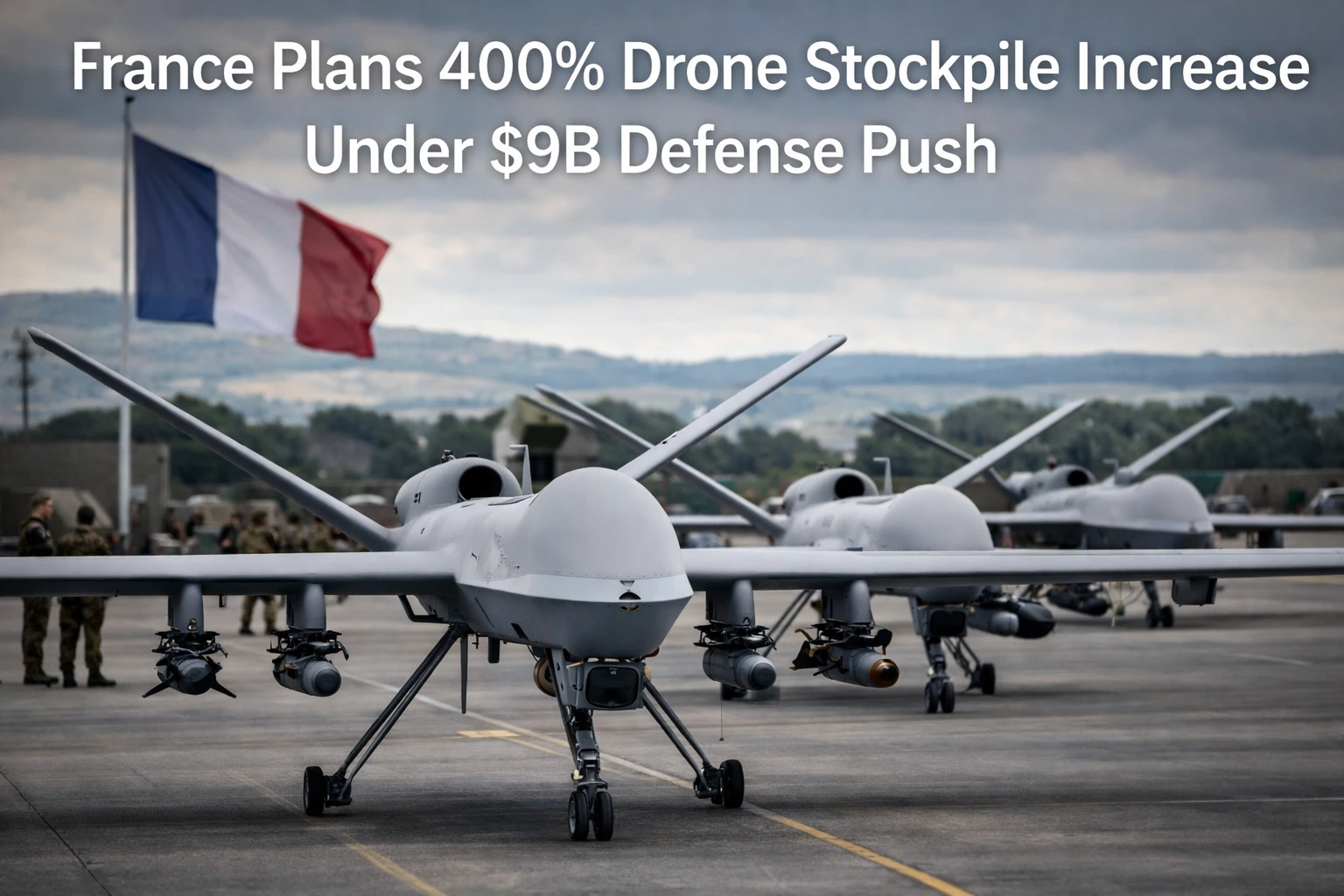
France Plans 400% Drone Stockpile Increase in $9B Push
France's defense plan allocates $9.07B for drones and missiles, targeting a 400% drone inventory increase by 2030.
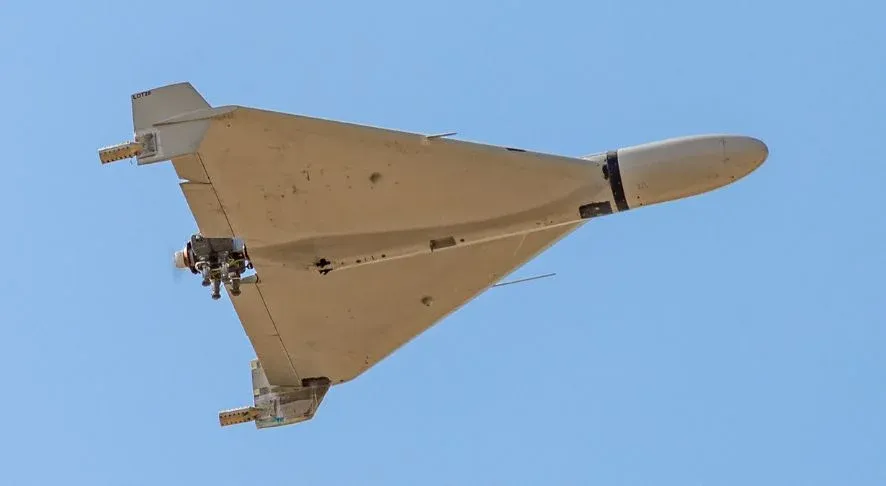
Russia is shipping upgraded Shahed drones back to Iran
Russia is transferring improved Shahed drone variants to Iran, including versions with better navigation and anti-jamming.
Companies
AeroVironment
US manufacturer of small tactical UAS, loitering munitions and counter-UAS systems, transformed in scale by its 2025 acquisition of BlueHalo.
United States
Anduril Industries
US defense technology company building autonomous weapons, counter-UAS, and AI command software, and manufacturing them at its own Arsenal-1 plant in Ohio.
United States
Baykar
Turkish defense company behind the Bayraktar TB2, the most widely exported armed drone of the past decade, now also the owner of Italy's Piaggio Aerospace.
Turkey
Quantum Systems
German maker of VTOL reconnaissance drones and autonomy software for European and US defense customers, with large-scale deployment in Ukraine.
Germany
Rheinmetall
German defense and automotive group producing armored vehicles, ammunition, air defense systems, and military drone platforms.
Germany
Airbus
European aerospace group building commercial aircraft, military aircraft, helicopters, satellites, and uncrewed systems including the Wingman combat drone.
Netherlands
DZYNE Technologies
US developer of long-endurance ISR aircraft, expendable drones and counter-UAS systems, acquired by Ondas in July 2026 and now part of the Ondas Sentinel division.
United States
Edge Autonomy
Tactical fixed-wing ISR drone maker, now the core of Redwire's Defense Tech segment, producing the Penguin and Stalker families.
United States
Recent Funding
Recent Contracts
defense
U.S. Army, AeroVironment
Delivery order for additional Switchblade 600 Block 2 loitering munitions, plus Switchblade 600...
defense
US Army PAE Fires, Anduril Industries
Three-year contract to supply a minimum of 3,000 surface-launched Barracuda-500M missiles with...
defense
US DoD Office of Under Secretary for Research and Engineering, Leidos
Three-year contract to supply 3,000 low-cost containerized missiles as part of DoD's low-cost...
defense
US Army Portfolio Acquisition Executive Fires, Anduril Industries
Three-year production agreement for a minimum of 3,000 Surface-Launched Barracuda-500M cruise...
defense
U.S. Department of Defense, Anduril Industries
Contract modification adding $100.3M to upgrade the Space Surveillance Network with mesh...