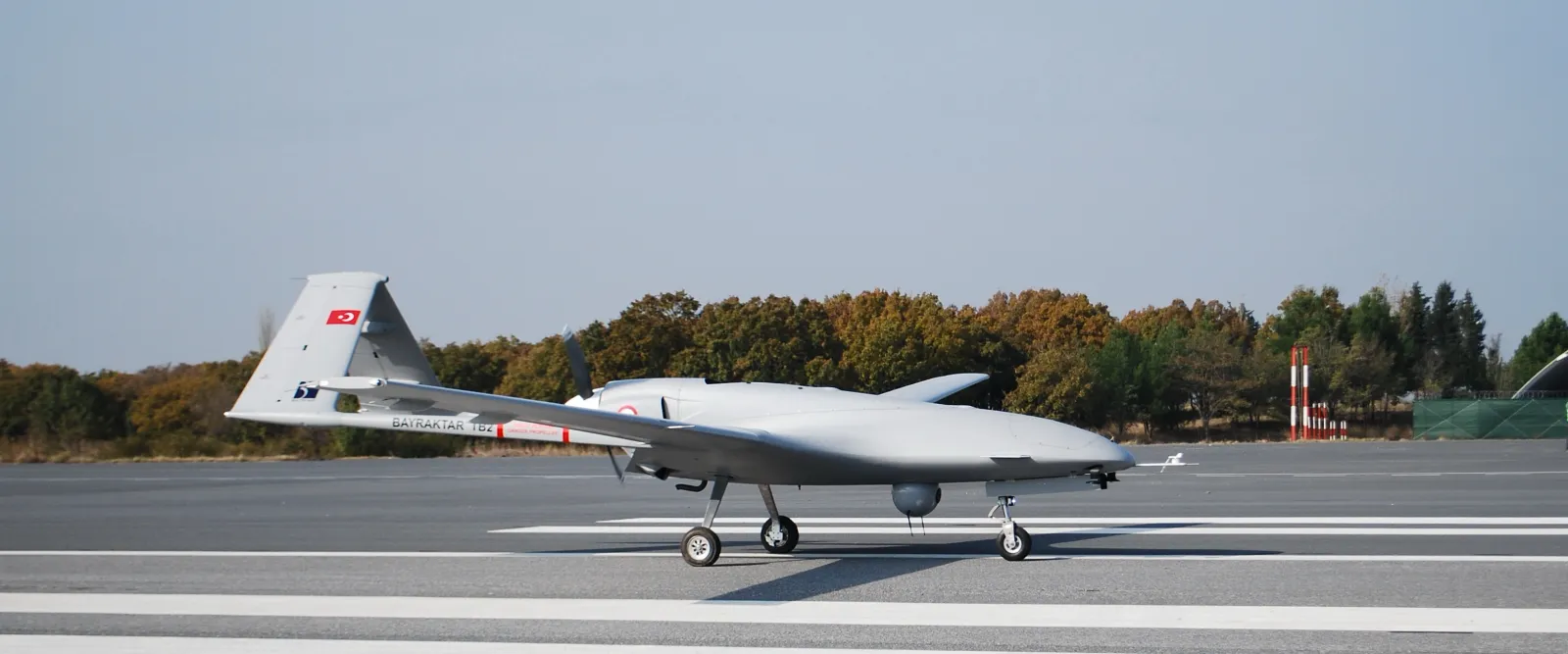

Baykar
Turkish defense company behind the Bayraktar TB2, the most widely exported armed drone of the past decade, now also the owner of Italy's Piaggio Aerospace.
5 articles
Baykar
Baykar is a Turkish manufacturer of unmanned aerial vehicles for military customers. It is privately held by the Bayraktar family and has grown from an automotive parts supplier into one of the most strategically significant drone producers in the world, primarily on the strength of the Bayraktar TB2. Since mid-2025 it also owns Piaggio Aerospace, giving it a manufacturing and certification base inside the European Union.
Key Products
- Bayraktar TB2 — a tactical armed drone with 27-hour endurance, carrying laser-guided munitions. Baykar says the type is in the inventories of 35 countries and has passed one million flight hours.
- Bayraktar TB2S — satellite-communications variant, extending beyond-line-of-sight range.
- Bayraktar TB3 — a folding-wing carrier-capable derivative. Baykar says it became the first fixed-wing UCAV to take off from and land on a short-runway warship, in late 2024.
- Bayraktar Akinci — a larger MALE platform with twin turboprops, 24-hour endurance and 1,350 kg payload capacity.
- Bayraktar Kizilelma — a jet-powered unmanned combat aircraft. Baykar says it has entered serial production, with the first two aircraft due for delivery to the Turkish Air Force in the first quarter of 2026.
Corporate position
Two moves in 2025 changed the shape of the company. First, Baykar completed the acquisition of Piaggio Aerospace, the 140-year-old Italian aviation manufacturer, on 30 June 2025, in a process run by Italy’s Ministry of Enterprises and cleared under Italian “Golden Power” rules. Piaggio’s plants build the P.180 Avanti Evo and now serve as a European hub for Baykar’s UCAVs.
Second, Baykar and Leonardo formed LBA Systems, a joint venture that reached full operational readiness in July 2026 after regulatory clearance. It plans to build the TB2, TB3, Akinci and Kizilelma across three Italian sites — composite work for Kizilelma at Grottaglie, TB3 and Leonardo’s Mirach at Ronchi dei Legionari, and final assembly of Akinci and TB2 at Villanova d’Albenga. The first batch of Astore Levante systems is in manufacture for an Italian customer.
Business and funding
Baykar is privately held and does not publish audited accounts. It states 2025 revenue of $2.5 billion with $2.2 billion of that from exports — 88 percent of income — and says it remained the world’s largest UAV exporter for a third consecutive year, and the second-largest defence exporter in Türkiye overall. The comparable 2024 export figure was $1.8 billion. CEO Haluk Bayraktar has said the company operates without government subsidies. It has declined acquisition offers and has no disclosed outside investors.
Why it matters
The TB2’s performance in the 2020 Nagorno-Karabakh conflict and the early months of Russia’s invasion of Ukraine established Baykar as a serious exporter and showed that relatively low-cost armed drones could produce decisive tactical effects against conventional hardware.
FlightBrief’s read is that the Piaggio purchase and the Leonardo joint venture matter more to Baykar’s next decade than any single airframe. They convert a Turkish exporter that European governments bought from at arm’s length into a company with EU factories, EU certification routes and a European prime as a partner. If Kizilelma reaches operational service on the stated schedule, Baykar becomes one of very few non-US, non-European-legacy firms fielding an unmanned combat aircraft — and it will be building it in Italy.
Coverage
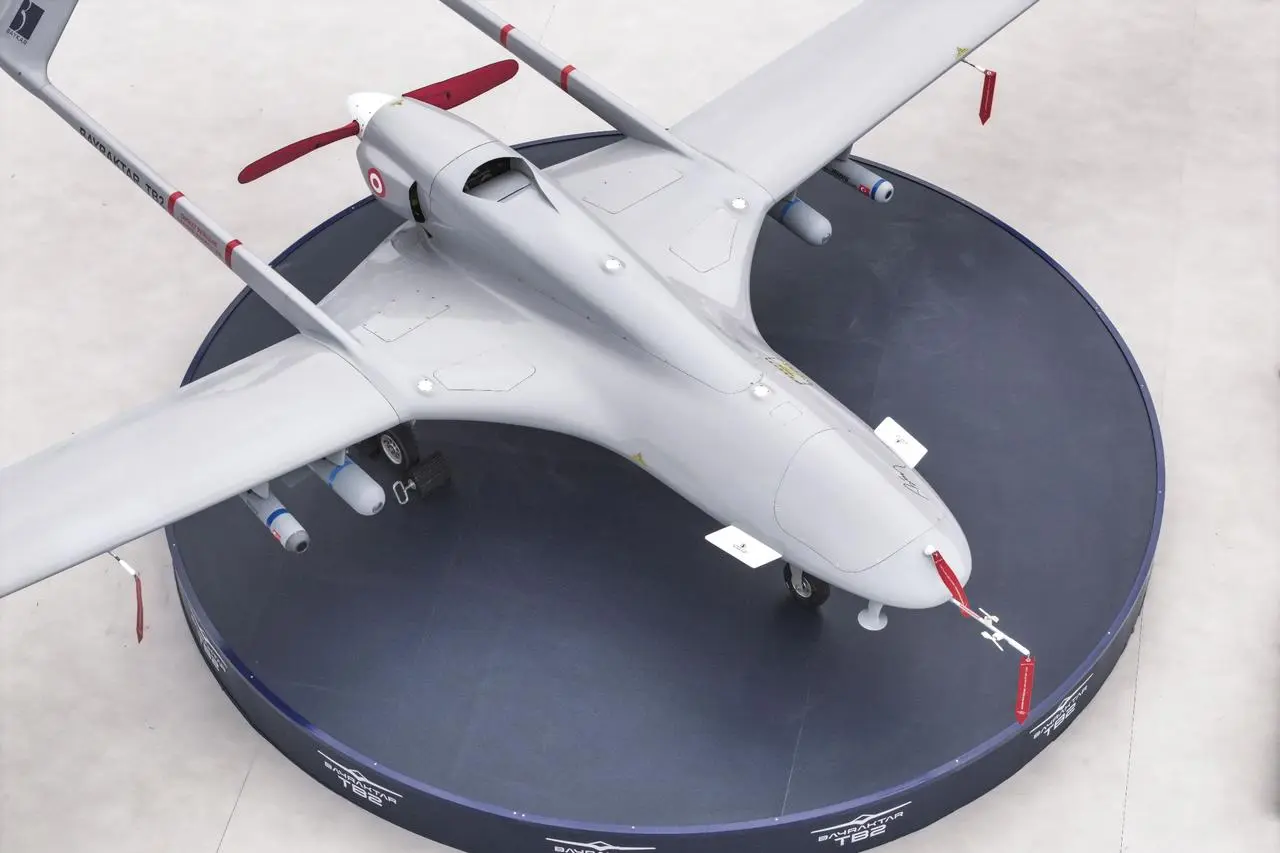
Safran and Baykar Sign Deal to Put French Sensors on TB2 Drones
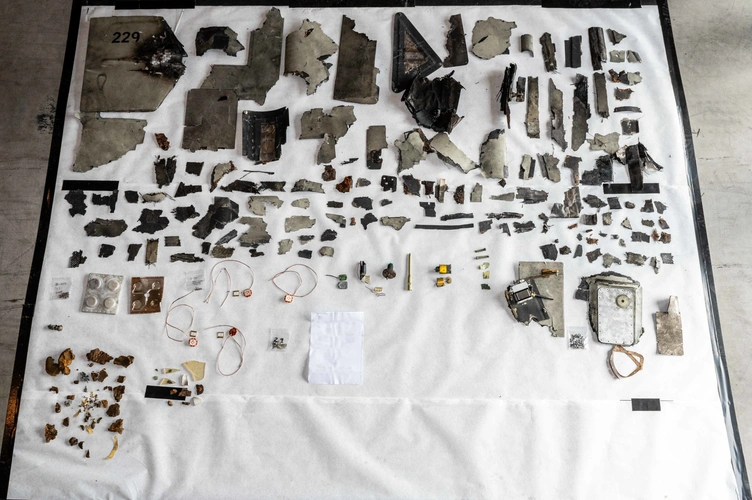
The $50,000 Problem: How Cheap Drones Are Breaking Modern Air Defense
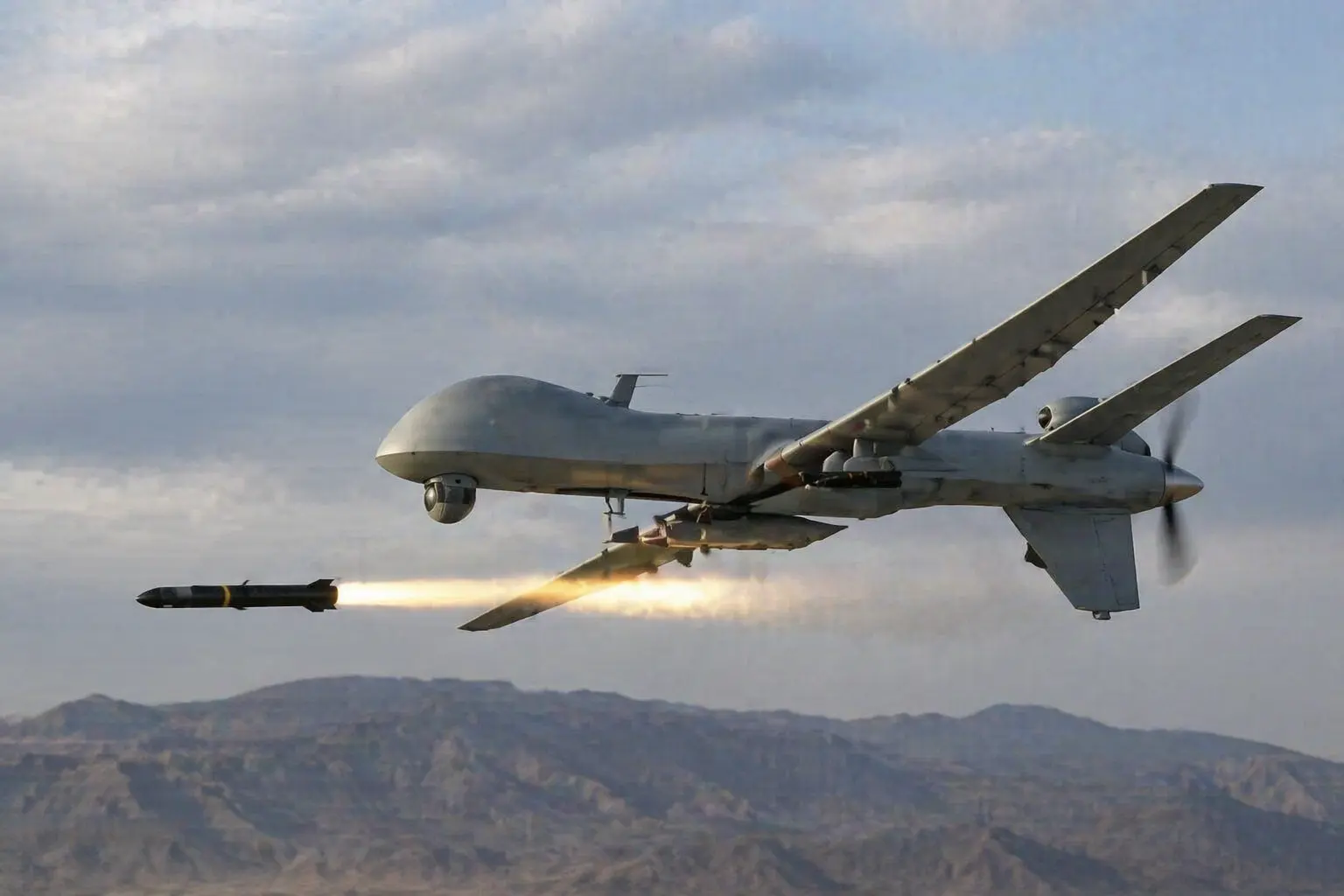
Sixth-Generation C-UAS: How the Drone War Is Evolving
Europe's Drone Production Gap: How the EU Plans to Close It