
Japan’s fiscal year 2026 defense budget, enacted April 7, allocates ¥11.1 billion ($69.7 million) to buy five wide-area UAVs for the Japan Ground Self-Defense Force — the first funded step in a plan to retire every attack and observation helicopter in the fleet and replace them entirely with drones.
Not supplement. Replace.
What Japan Is Actually Buying
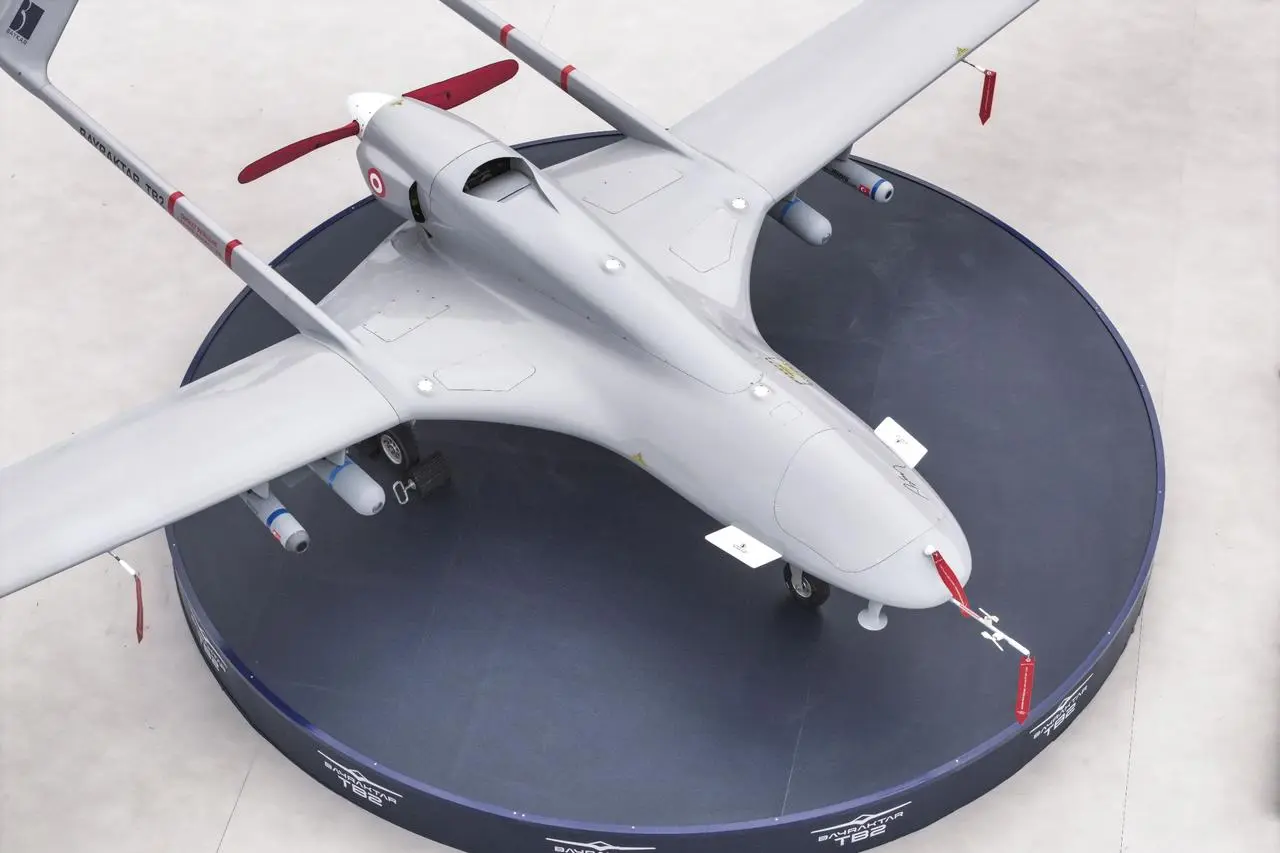
The procurement spec describes a platform capable of detecting surface vessels at long range and collecting targeting intelligence. The Ministry of Defense did not restrict the requirement to unarmed platforms, which narrows the field considerably. Two drones have completed formal Japanese government testing: the Bayraktar TB2S and the IAI Heron Mk II.
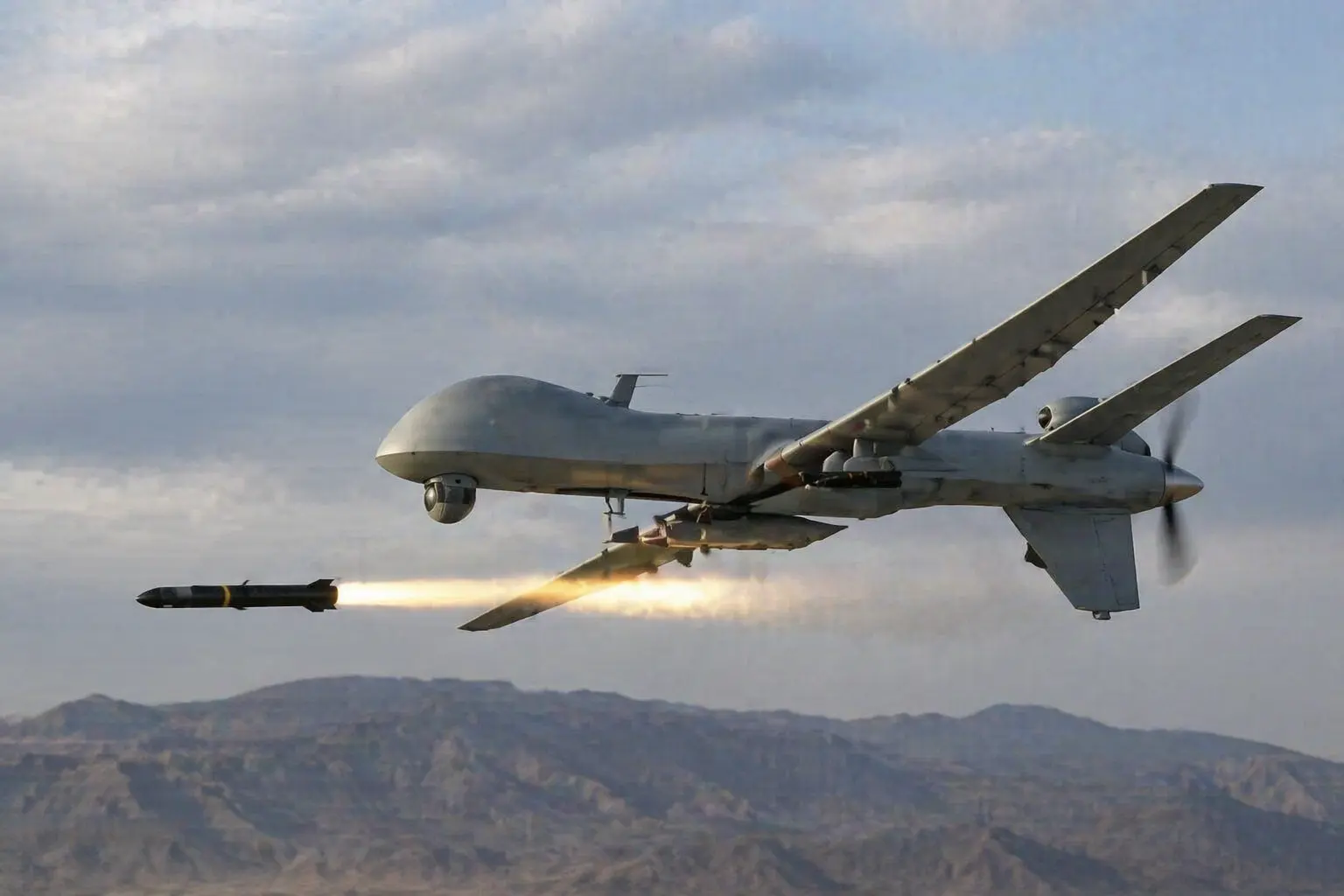
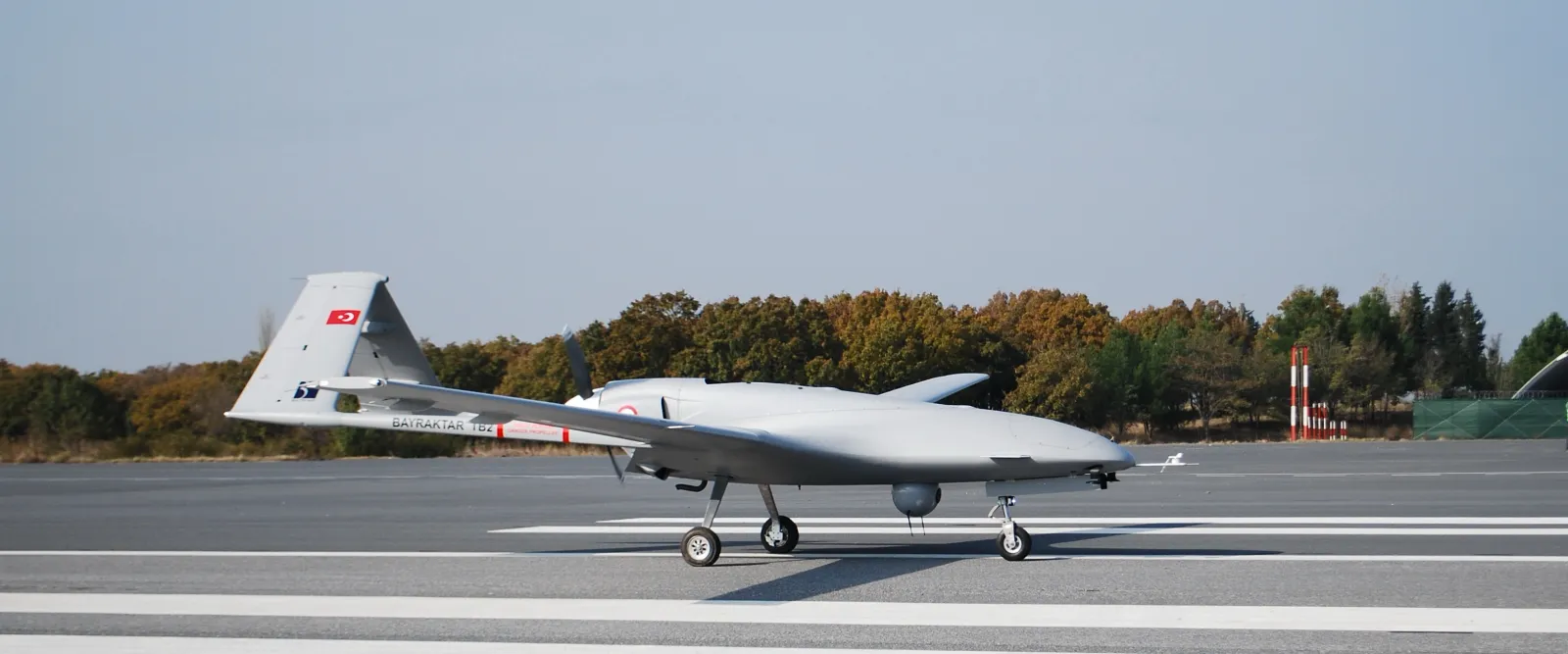
The TB2S is the cheaper option at roughly $5 million per unit. It runs a 100-horsepower Rotax engine, stays airborne for 27 hours, and carries up to 330 lbs of laser-guided munitions across four hardpoints. Baykar’s satellite-equipped TB2S variant addresses Japan’s need for beyond-line-of-sight operations across its maritime approaches. The GSDF conducted a procurement survey for the TB2S in August 2023; testing wrapped during FY2025.
The IAI Heron Mk II costs roughly $10 million per unit and offers a fundamentally different capability set — 45 hours of endurance, 35,000-foot ceiling, and up to 1,035 lbs of payload including ELINT, COMINT, and electronic support measures. Kawasaki Heavy Industries handled domestic operations during testing at Shirahama Airport, which concluded in FY2024.
The Ministry of Defense issued a second Request for Information on multi-purpose UAVs on January 30, 2026, with industry responses due by March 12.
Why the Helicopter Fleet Is Being Retired
The GSDF currently operates around 50 Bell AH-1S Cobras, 12 Boeing AH-64D Apaches, and 37 Kawasaki OH-1 observation helicopters. Japan originally planned to buy 50 to 80 Apaches — procurement stopped at 13 after costs spiraled. The December 2022 Defense Buildup Program mandated phasing out all attack and observation helicopters and transferring their roles to unmanned platforms.
Retiring the manned fleet frees roughly 1,000 personnel for reassignment, a meaningful number for a military struggling to recruit. The operational logic is harder to argue with: Russia lost over 25% of its Ka-52 fleet to Ukrainian MANPADS. A drone that costs $5 to $10 million and flies without crew risk compares favorably to a helicopter costing tens of millions that requires two pilots and is increasingly vulnerable to shoulder-fired missiles.
The Scale of Japan’s Unmanned Pivot
The five-UAV procurement is a small piece of a much larger commitment. Japan’s FY2026 budget allocates over ¥100 billion ($670 million) to accelerated unmanned systems deployment. The SHIELD program — covering unmanned aerial, surface, and underwater vehicles — receives ¥128.7 billion ($850 million) separately. Under current five-year projections, unmanned defense funding increases tenfold, from ¥100 billion to ¥1 trillion.
The GSDF is standing up a dedicated unmanned systems department by the end of April 2026. Prime Minister Takaichi’s administration has flagged drone-centric warfare as a central focus of a planned revision to Japan’s three core security documents before end of 2026.
The selection decision between the TB2S, Heron Mk II, or a mixed fleet will follow once the ministry processes the March RFI responses. Five airframes at $5 to $10 million each leaves room for multiple platform types within the budget envelope — and Japan’s geography, spanning thousands of miles of coastline and island chains, makes a case for both a tactical strike platform and a high-endurance ISR asset.