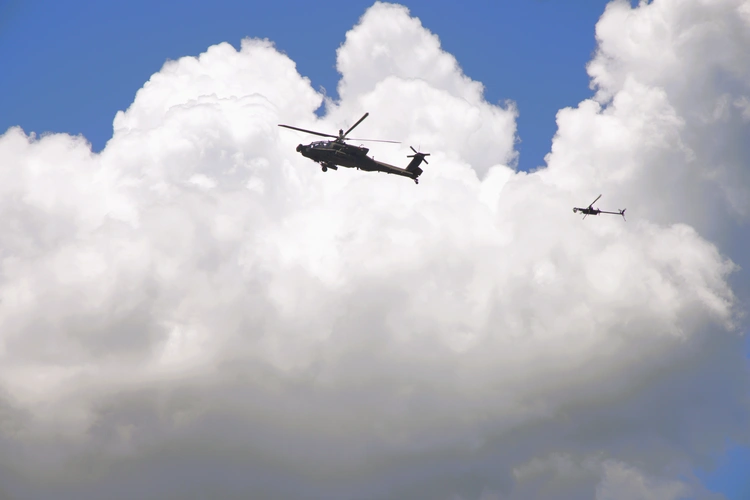

Boeing
Boeing is a US aerospace manufacturer with commercial-airplane, defense and space, and fleet-services businesses.
6 articles
Boeing
Boeing is a US aerospace manufacturer listed on the New York Stock Exchange as BA. Its three operating businesses are Commercial Airplanes, Defense, Space & Security, and Global Services. The company builds airliners alongside military aircraft, helicopters, satellites and services for commercial and government fleets.
Business and Financial Position
For the second quarter of 2026, Boeing reported $24.6 billion in revenue, up 8 percent year on year, and a GAAP net loss of $428 million. Operating cash flow was $1.4 billion and free cash flow, a non-GAAP measure, was $0.6 billion. The company ended the quarter with a record $715 billion backlog, including more than 6,200 commercial airplanes.
Commercial Airplanes delivered 171 aircraft in the quarter and generated $11.8 billion in revenue. Defense, Space & Security generated $7.5 billion in revenue but reported a $15 million operating loss, including a $280 million loss on the VC-25B programme associated with additional production and certification resources. Boeing said it still expects first delivery of that programme in 2028.
Uncrewed and Autonomy Businesses
In August 2026, Boeing signed definitive agreements for Archer Aviation to acquire its Wisk Aero, SkyGrid and Insitu subsidiaries. The transaction had not closed as of the announcement and remains subject to closing conditions, including US antitrust review. Boeing is to take an equity stake in Archer and retain access to Wisk’s autonomous-flight technology through a collaboration and technology-sharing arrangement.
That means Wisk’s autonomous eVTOL work, SkyGrid’s air-traffic-management software and Insitu’s UAS business are proposed divestments, not current Boeing operating businesses to describe as permanent parts of the group.
Why It Matters
Boeing’s financial recovery remains uneven: deliveries and revenue are improving, but the company still reported a quarterly loss and its defense business absorbed another programme charge. The proposed Archer transaction is strategically important because it narrows Boeing’s direct ownership of newer autonomy businesses while preserving technology access. Its success therefore depends on the transaction closing and on whether the partnership produces aerospace products, rather than simply a financial stake.
Coverage
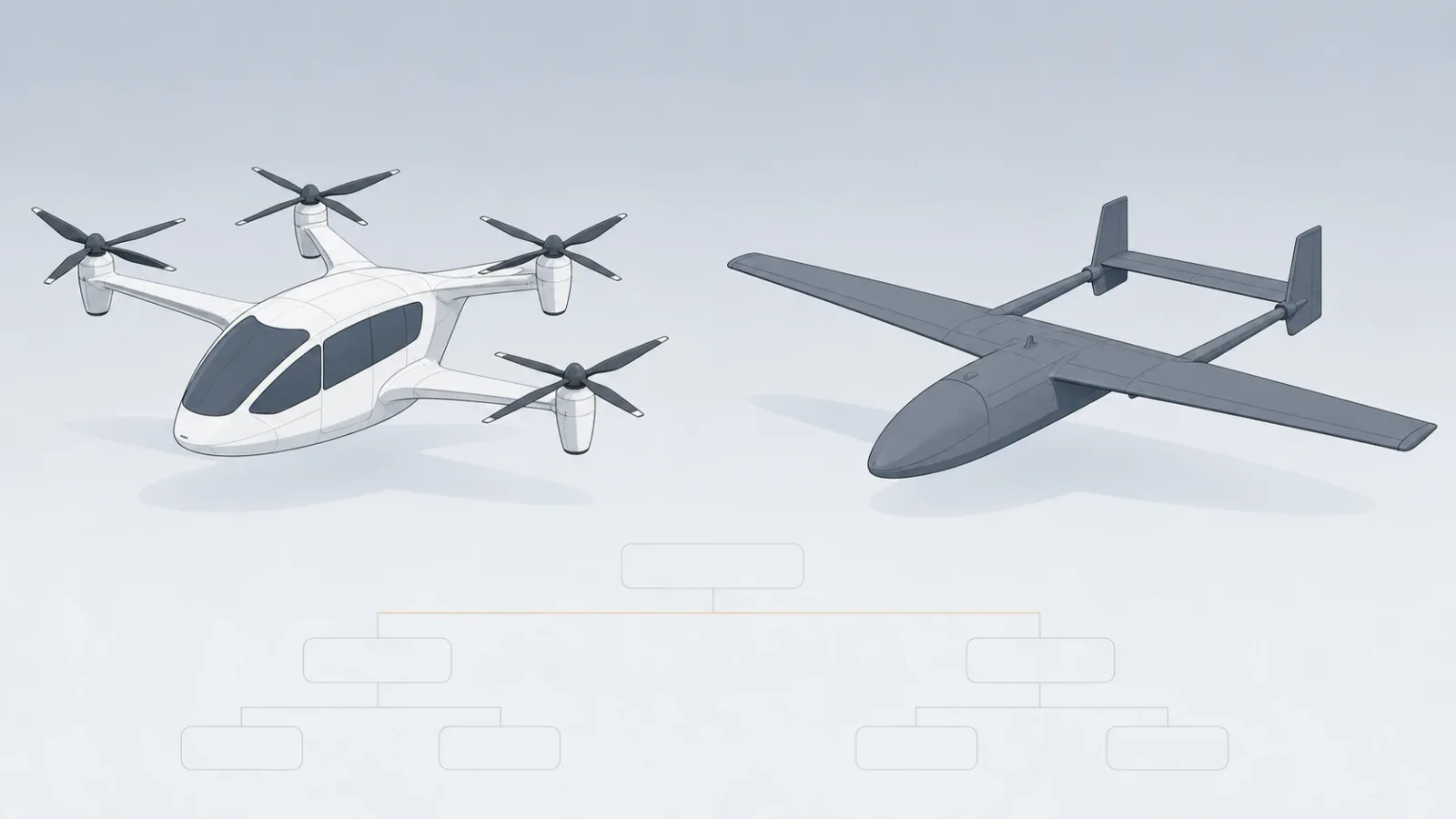
Archer Buys Boeing's Wisk, Insitu and SkyGrid in eVTOL Shakeup
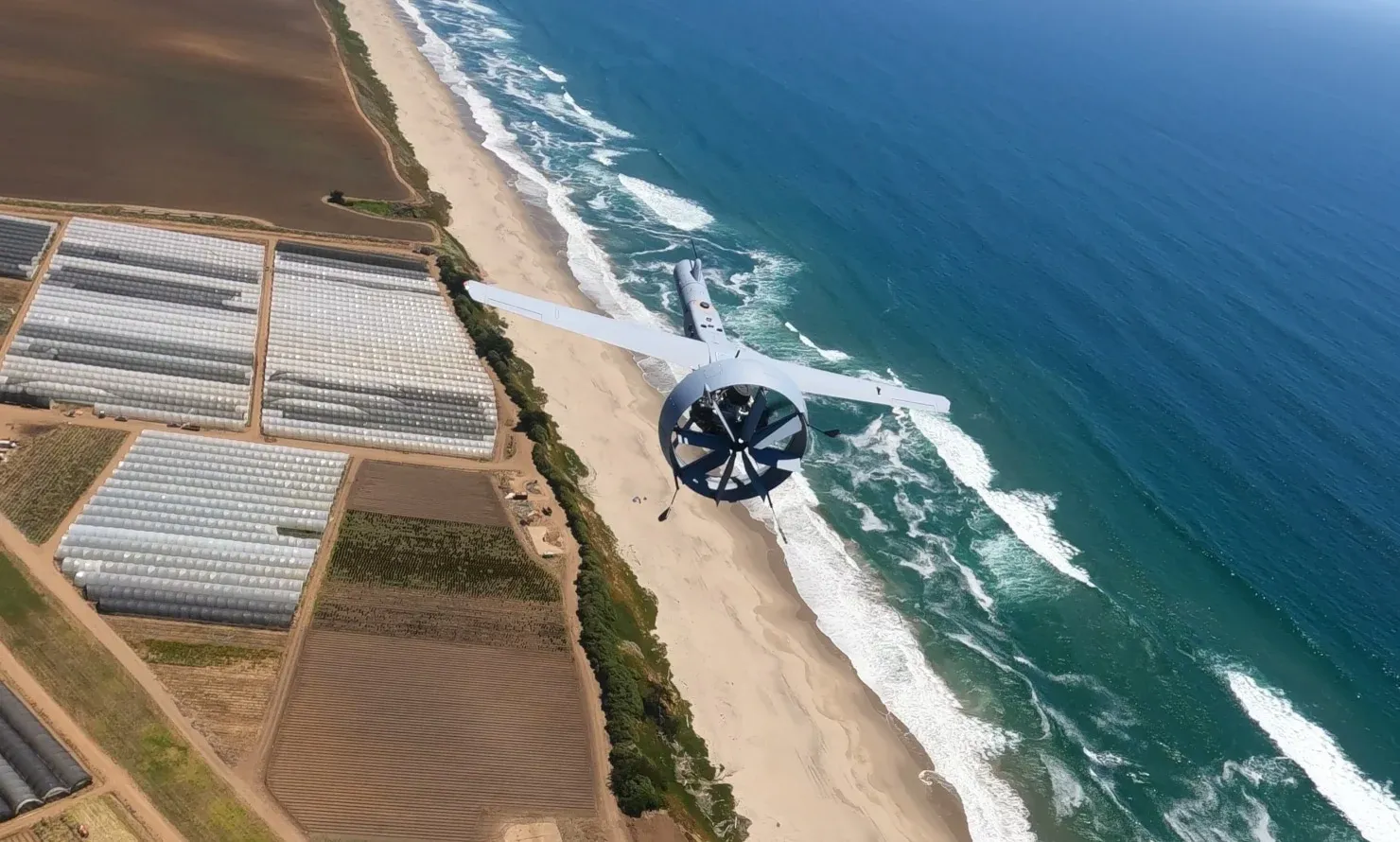
Coast Guard's $229M Shield AI V-BAT Contract Expands to Puerto Rico
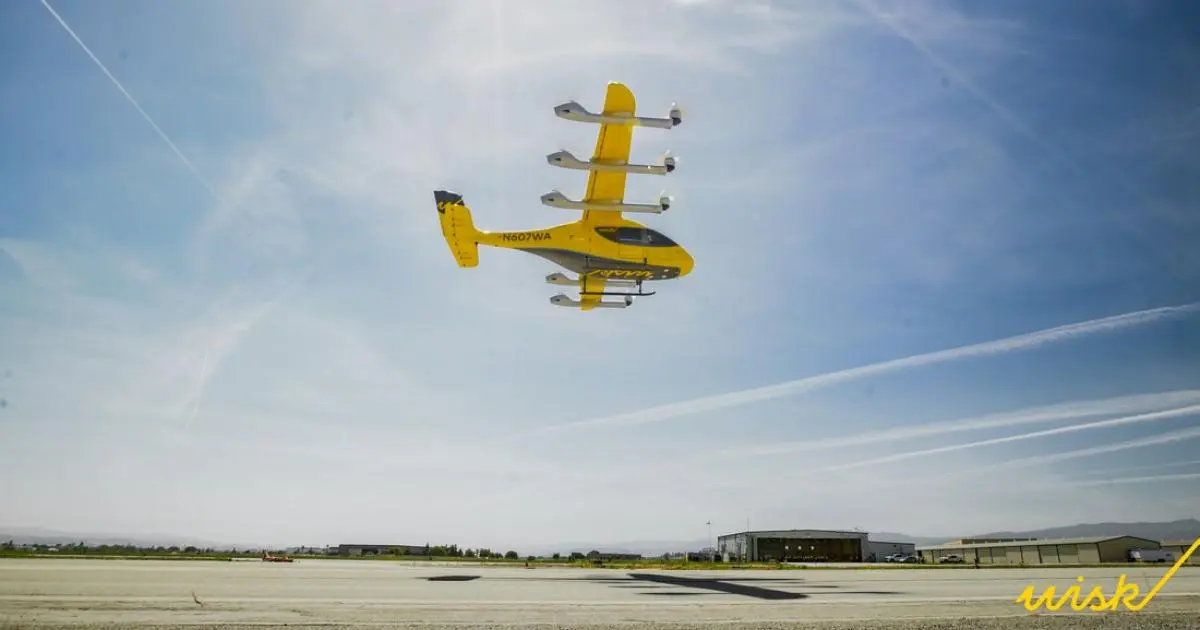
Wisk Aero's Second Gen 6 eVTOL Prototype Completes First Flight
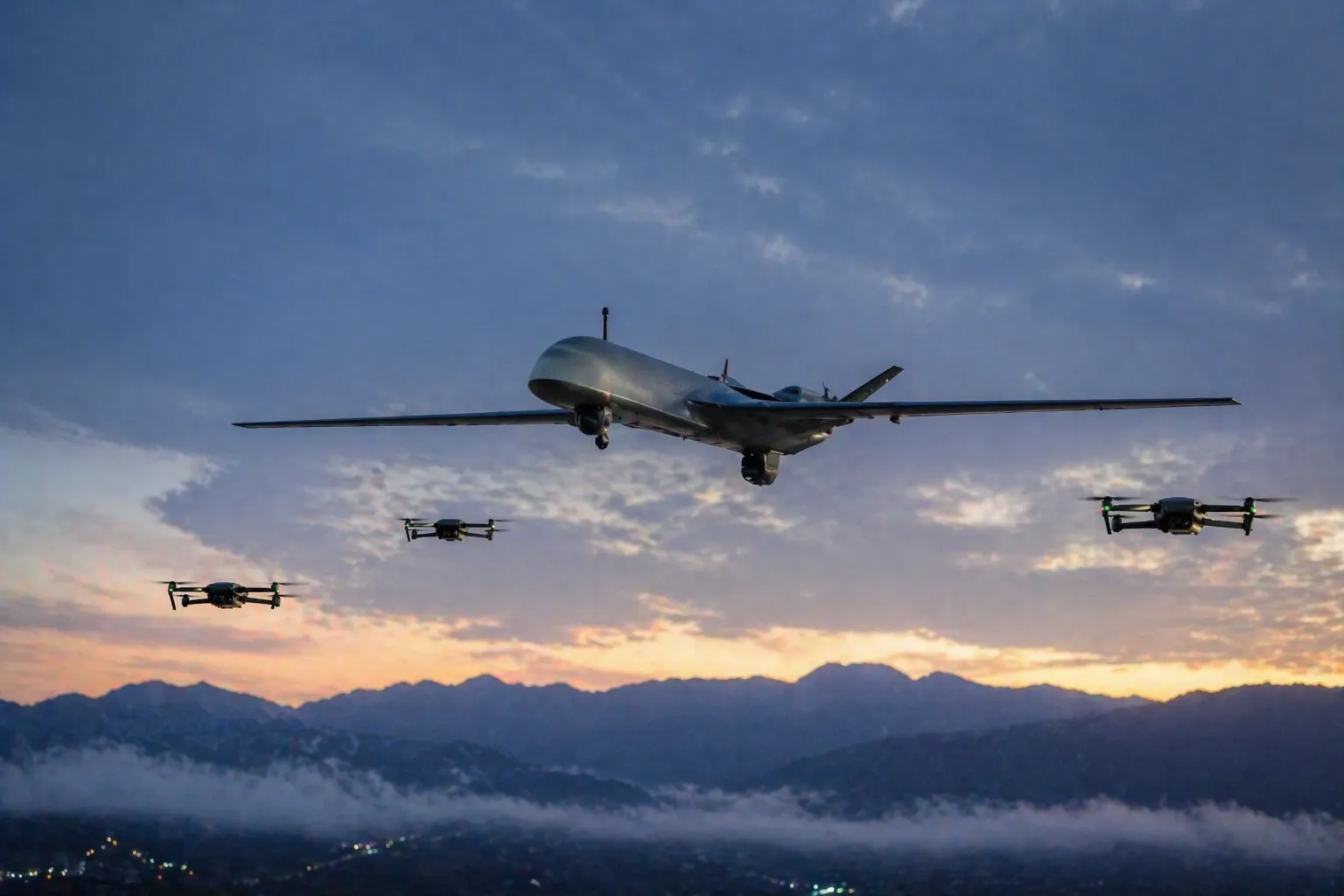
The Pentagon Just Bet $54.6B on Autonomous Warfare
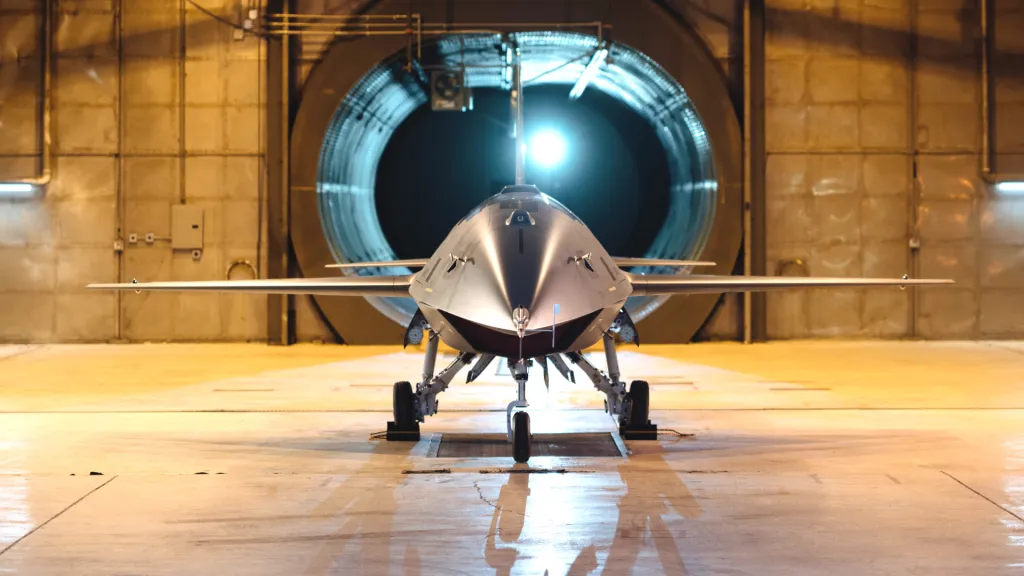
Anduril's YFQ-44A Fury Passes Air Force Flight Test