

Joby Aviation
US eVTOL company developing a five-seat electric air taxi, the furthest along in FAA type certification among civilian eVTOL manufacturers.
5 articles
Joby Aviation
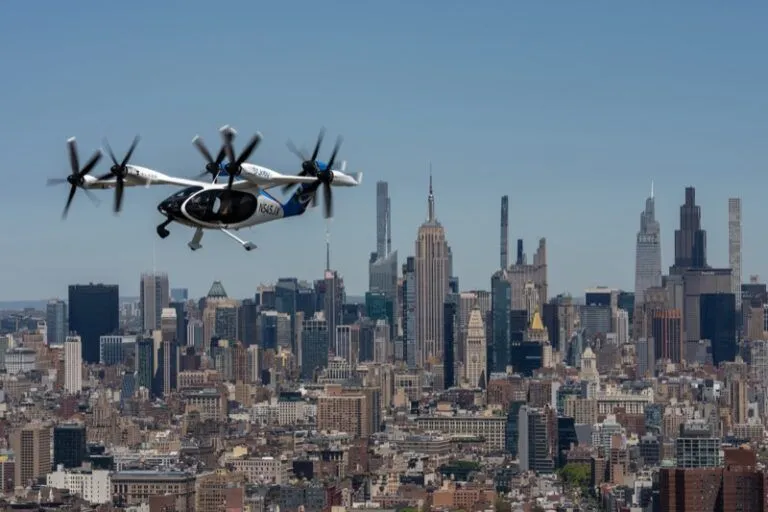
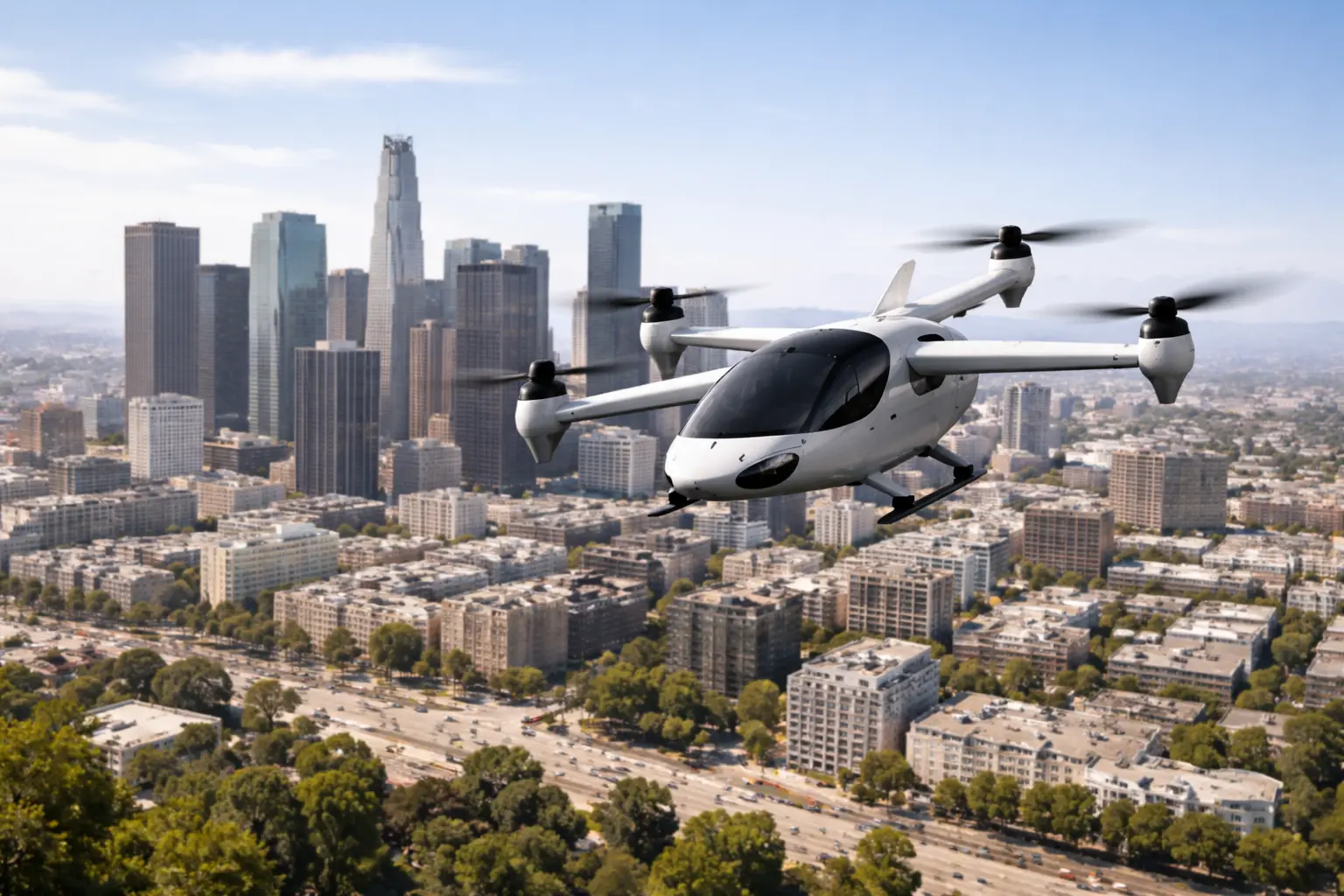
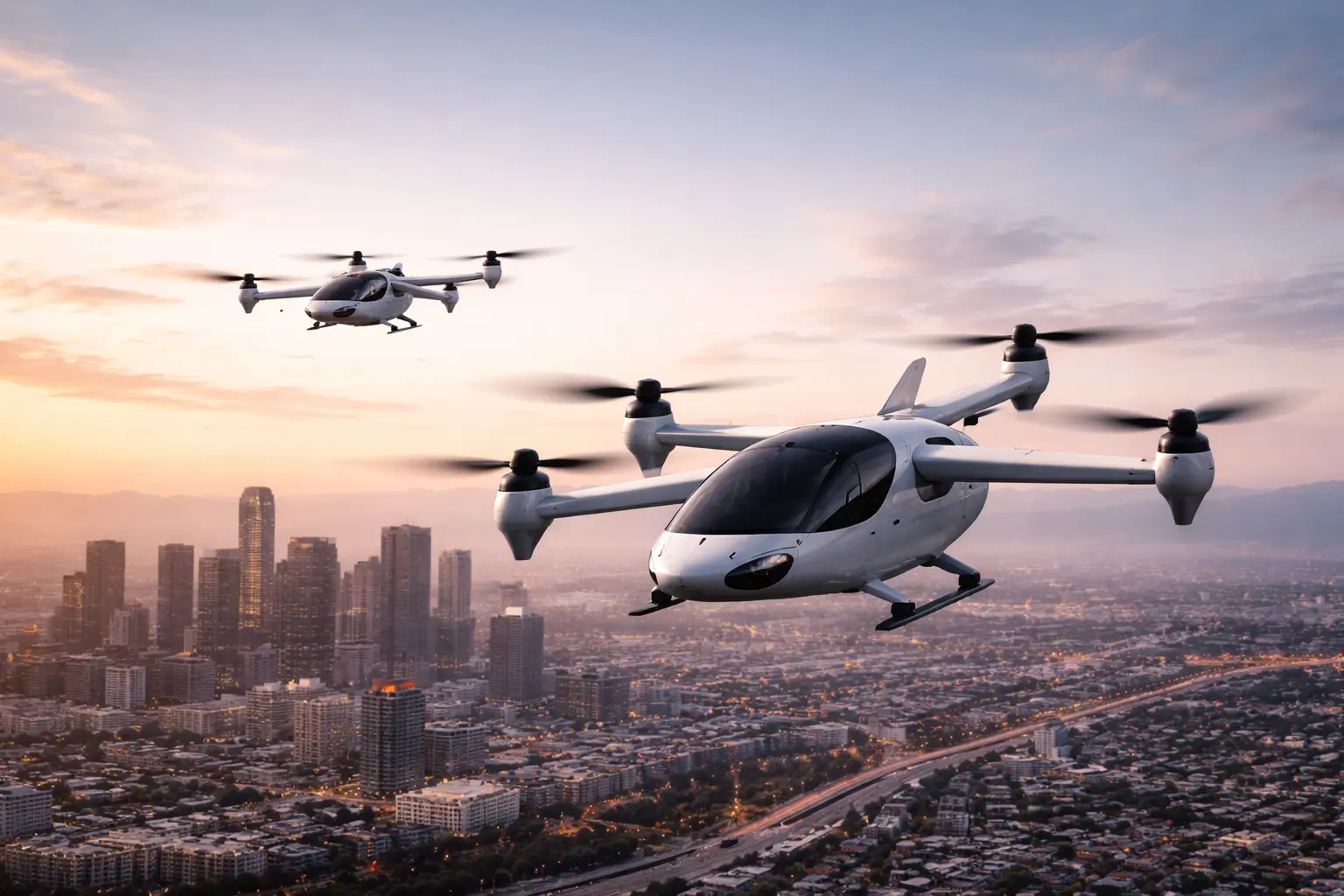
Joby Aviation is a California company developing a piloted, five-seat electric vertical-takeoff-and-landing aircraft for passenger service. It trades on the New York Stock Exchange as JOBY. The aircraft uses six tilting propellers, and Joby says it intends both to operate an air-taxi service and to sell aircraft to partners. Its Blade acquisition provides an existing on-demand aviation business, rather than passenger eVTOL operations.
Key Products
Joby aircraft — Five-seat eVTOL, with four passenger seats and a pilot seat, using six tilting propellers. Published speed, range and noise figures are development targets and should not be treated as certificated operating specifications.
Business and Funding
Joby is publicly traded on the NYSE under JOBY. For the second quarter of 2026, it reported $38.6 million of revenue, including $36.2 million from Blade, and a net loss of $245.4 million. Cash and short-term investments were $2.3 billion at June 30, 2026. The company raised its fiscal-2026 total-revenue outlook to $115 million to $125 million and forecast second-half cash use of $385 million to $415 million; both are guidance.
In its August 2026 shareholder update, Joby said five aircraft were flying and 12 more were in production. It also said its first flights in the federal eIPP programme were expected in September 2026 and targeted first passengers in 2026. Those are company expectations, not confirmation of a commercial launch or certification. Joby is building a manufacturing relationship with Toyota through a joint venture, and announced an agreement to acquire Resonant Sciences in August; the transaction is treated here as announced rather than completed.
Why It Matters
Joby combines a certification programme, operating aviation assets and a planned manufacturing alliance in a way few eVTOL developers do. That does not make its schedule certain: FAA approval, operating permissions, aircraft production and service economics all remain separate hurdles. The Blade revenue also needs to be distinguished from future eVTOL revenue, which remains prospective. Its progress is therefore most relevant as a measure of whether a well-funded developer can convert flight testing into a regulated service at scale.
Coverage

Topics
Guides
Guide
What Is eVTOL? The Complete Guide to Electric Air Taxis
What eVTOL means, how electric air taxis work, which companies are still standing after the 2026 shakeout, and when passengers will actually ride one.
Guide
Drone BVLOS Rules 2026: FAA Part 108 and EU U-Space
Part 108 is in final review and could make routine BVLOS legal in the US. Europe regulated first and is now simplifying. Where both stand.