
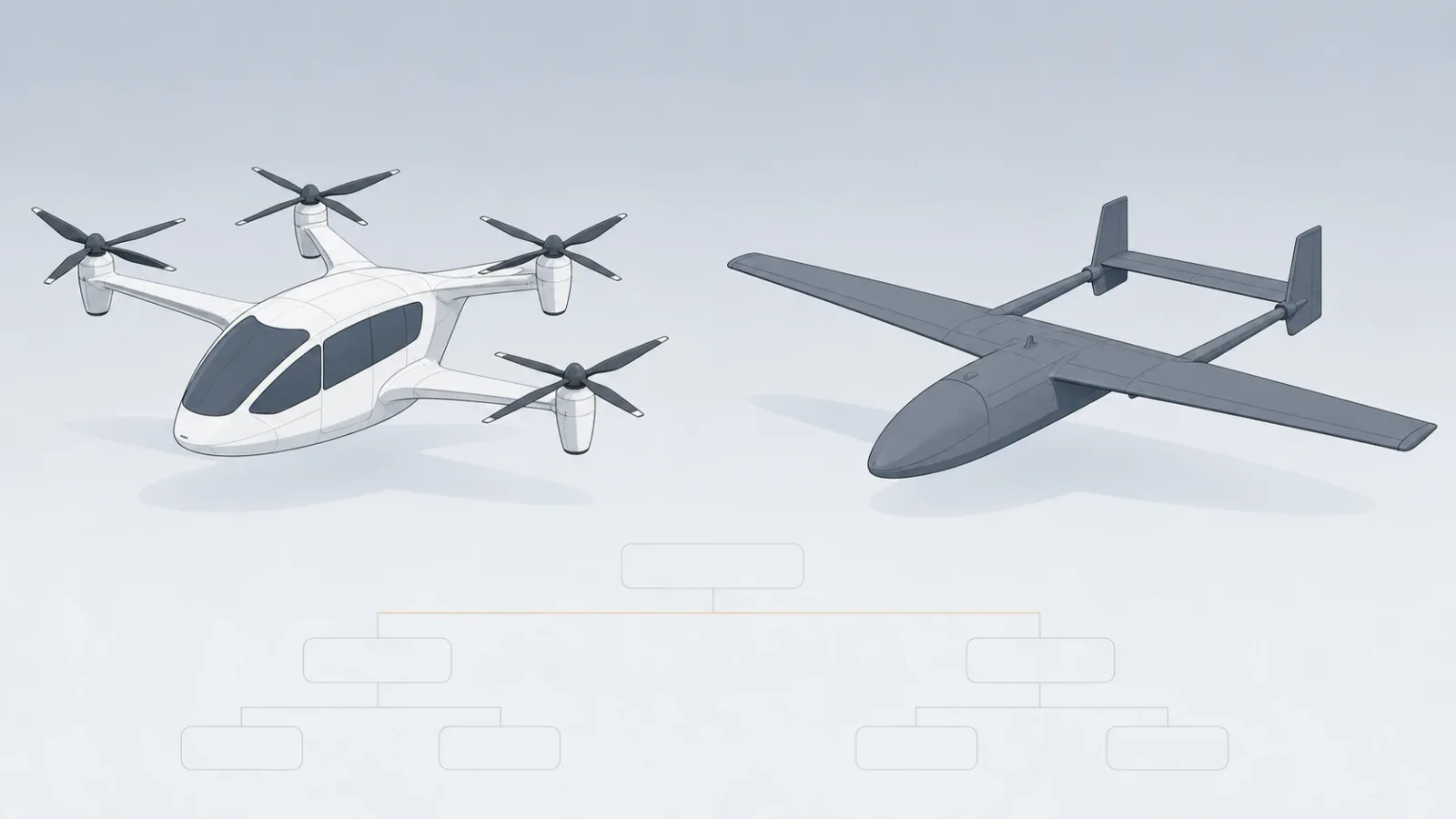
Archer Aviation has reached a definitive agreement to acquire three Boeing subsidiaries — Wisk Aero, Insitu and SkyGrid — in a transaction that hands Archer its closest autonomous air taxi rival, a profitable military drone manufacturer, and an airspace management platform at once. Boeing takes an equity stake in Archer and becomes a strategic partner.
The deal is the largest structural change in the electric vertical takeoff and landing sector since the SPAC wave that took Archer and Joby public, and it resolves a question that had hung over Wisk for years: whether Boeing intended to fund an autonomous passenger aircraft to certification on its own.
What Archer is getting
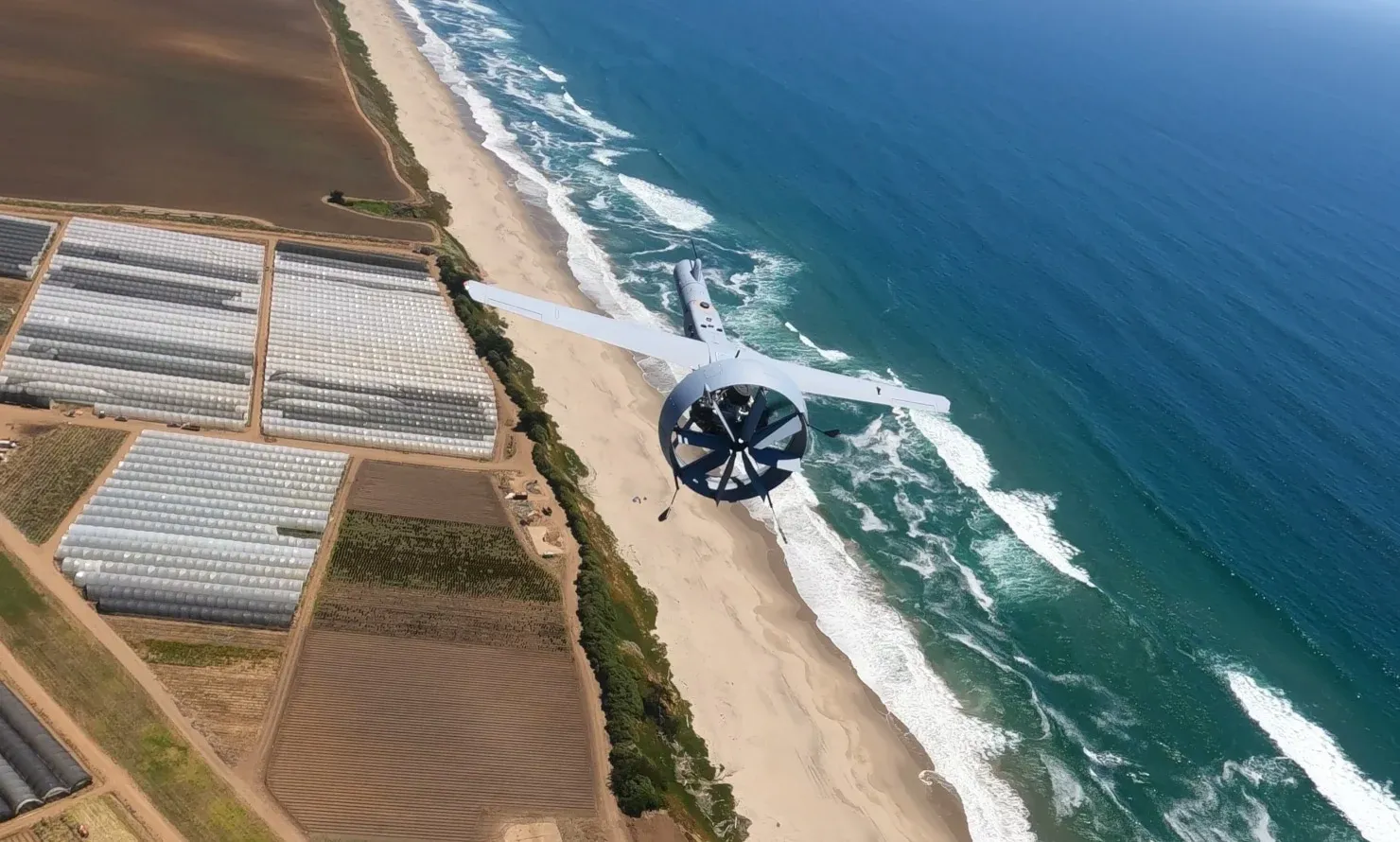
Insitu is the immediate substance. Boeing put its annual revenue at more than $200 million, and the unit has built over 3,500 uncrewed aircraft with operations in 35 countries. It is an established defense manufacturer with a delivery record, not a development programme — a different class of asset from anything Archer has owned.
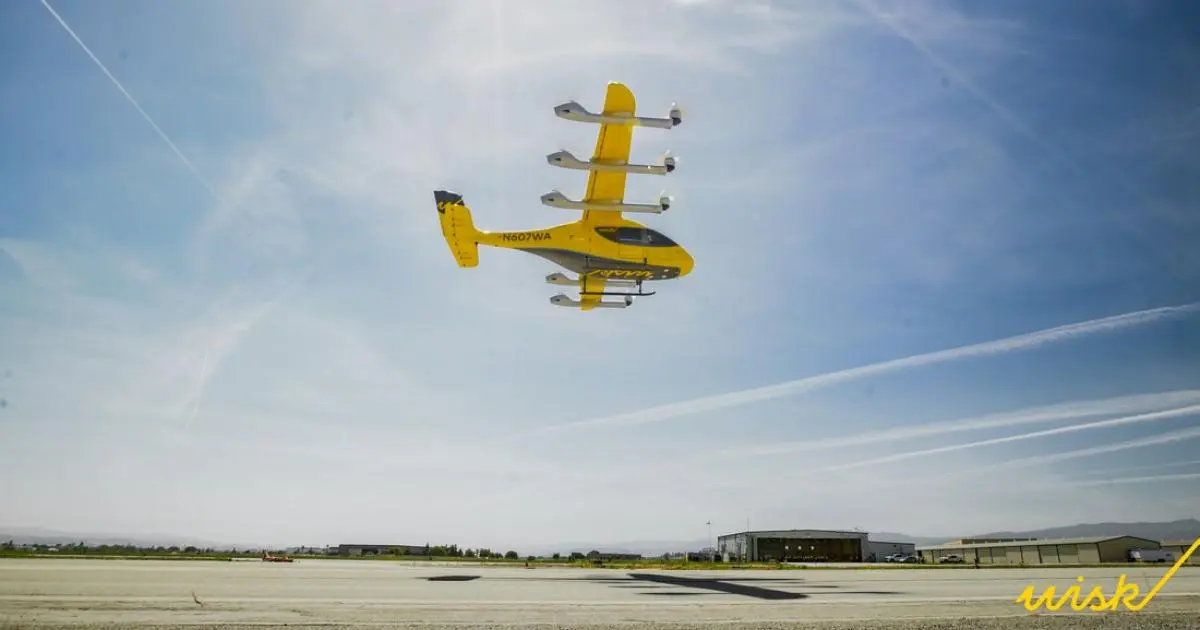
Wisk brings six generations of eVTOL design and more than 1,700 flight tests toward an autonomous, pilotless passenger aircraft. Archer’s Midnight is piloted. Taking on Wisk gives Archer a parallel path to the autonomy that most operators regard as the eventual economic requirement for urban air mobility, rather than a competitor pursuing it separately with Boeing’s balance sheet behind it.
SkyGrid adds airspace management and traffic software. Boeing said the acquired units together account for nearly two million combined flight hours.
Brian Yutko, Boeing vice president for Commercial Airplanes Product Development, called the transaction “a win-win for Boeing and Archer.”
What Boeing keeps
Boeing retains access to Wisk’s core autonomous flight technology for its current and next-generation commercial and defense aircraft through a cross-licensing arrangement. That detail matters: Boeing is not exiting autonomy. It is exiting the cost of certifying an autonomous passenger aircraft while keeping the technology it paid to develop, and converting the programme into a stake in someone else’s certification risk.
Neither company disclosed the equity consideration in its announcement. Archer said the terms are set out in a Form 8-K filed with the Securities and Exchange Commission the same day. Trade reporting on the filing has placed Boeing’s resulting position at close to 20 percent of Archer, alongside a cash investment and warrants; FlightBrief has not independently confirmed those figures against the filing.
The transaction is expected to close by the end of 2026, subject to closing conditions including expiration or termination of the waiting period under the Hart-Scott-Rodino Antitrust Improvements Act.
Why it matters
Archer has spent 2026 in the final stage of FAA type certification alongside Joby, competing on flight hours and programme maturity. This deal changes what Archer is. A company that was a single-product air taxi developer becomes a group with defense manufacturing revenue, an autonomy programme, and airspace software — while still needing to certify Midnight.
That cuts two ways. Insitu’s revenue reduces Archer’s dependence on capital markets to fund certification, which has been the sector’s central vulnerability. But integrating three businesses during the most demanding phase of a certification campaign is a real distraction, and the FAA does not grade on corporate structure.
The consolidation signal is the broader story. Boeing is selling; Archer is buying; the assumption that several well-funded eVTOL developers would each certify independently is being replaced by something narrower. Watch whether Hart-Scott-Rodino review treats Archer absorbing Wisk as a reduction in competition, and whether Joby responds with a defense acquisition of its own.