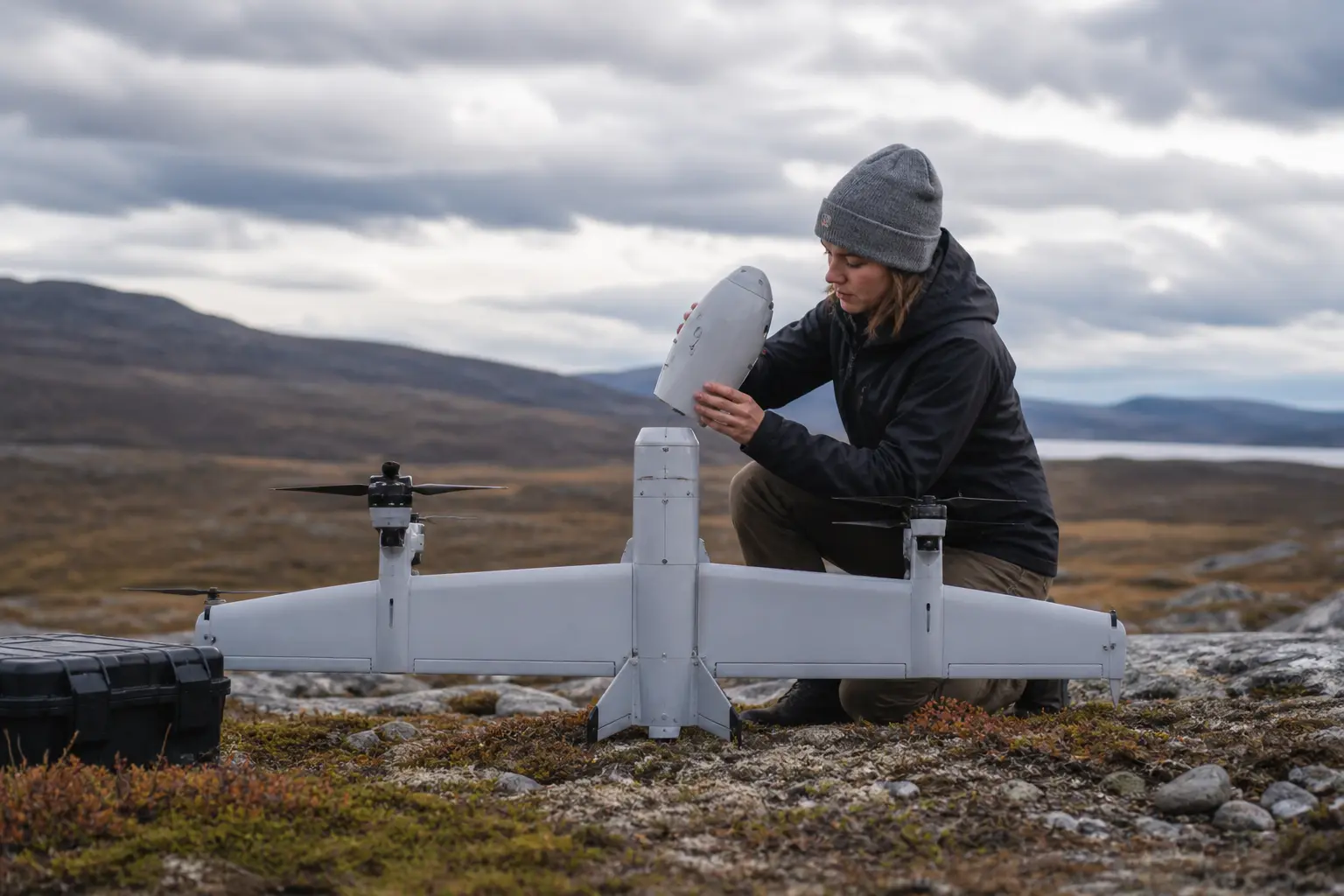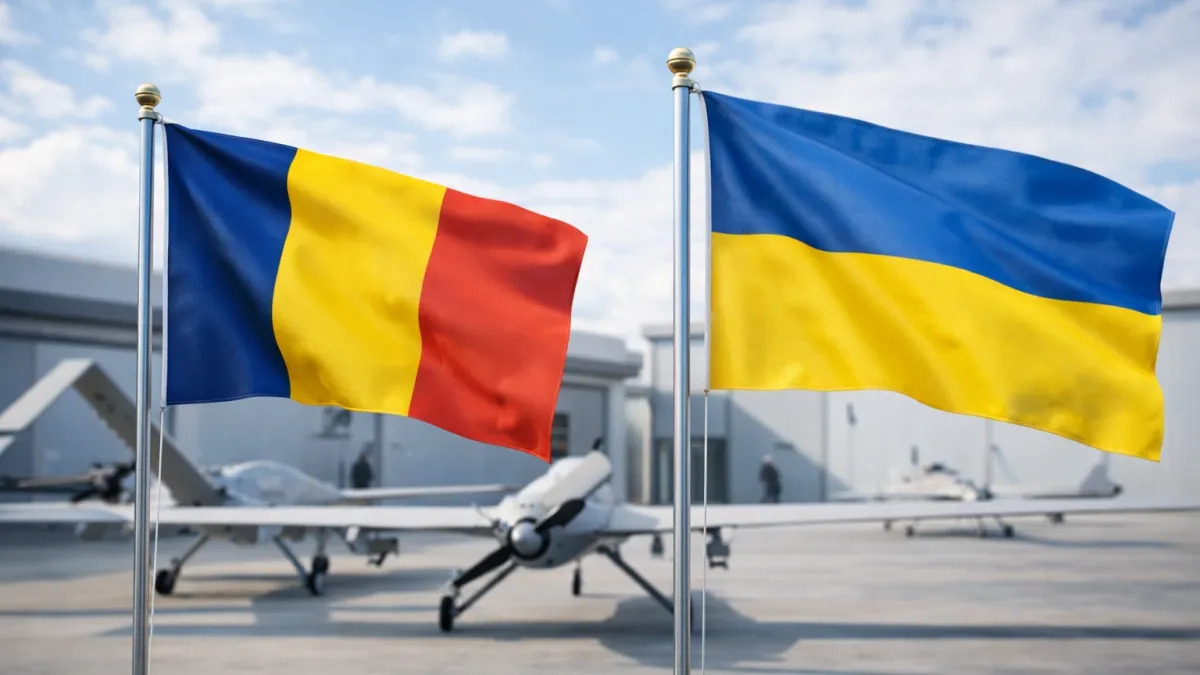

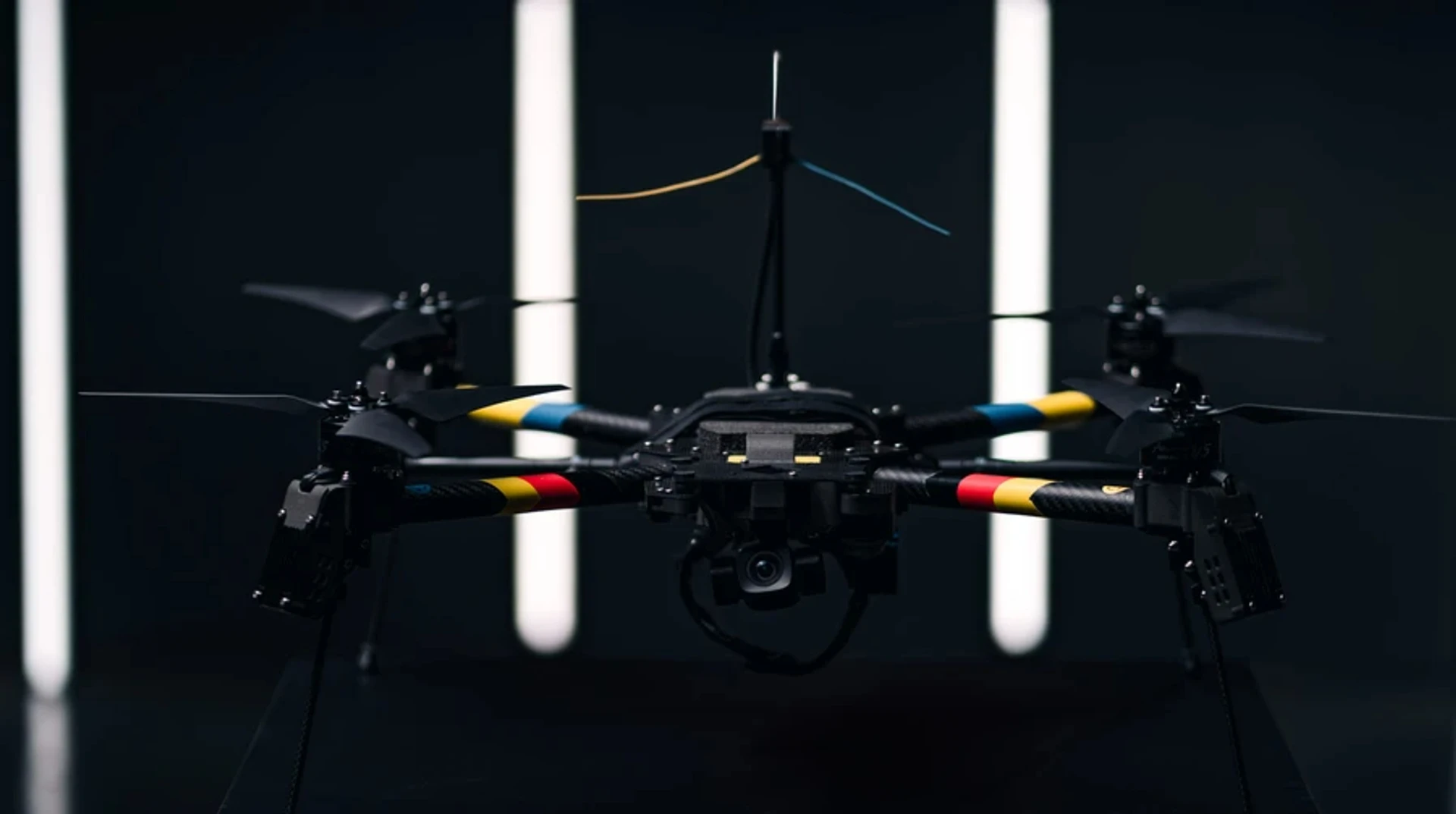
Ukraine has exported military drone technology for the first time since the full-scale invasion began. Frontline Robotics, a Ukrainian battlefield robotics company, has established a joint venture with Germany’s Quantum Systems and begun delivering Linza bomber drones — manufactured at a German facility — to Ukraine’s defence forces.
The arrangement is the first publicly confirmed, legally sanctioned transfer of Ukrainian military technology abroad under martial law. The first batch shipped in spring 2026, roughly six months after negotiations concluded and three months after the joint venture was publicly announced in December 2025.
How the Deal Was Structured
The partnership took shape at a defence exhibition, where Quantum Systems approached Frontline Robotics about its anti-FPV solutions. Quantum acquired a 10% stake in Frontline, with an option to increase to 25% through future investment rounds. The investment carried standard information rights but no operational control — a deliberate choice by Frontline’s management to preserve decision-making independence.
Production runs on a licensed model: Frontline transferred assembly technology, critical Ukrainian-IP components supplied as a sealed black box with no software access on the production side, and a training package. The joint venture can only produce drones using components sourced from Ukraine, which simultaneously protects intellectual property and keeps Ukrainian manufacturing revenue in-country.
The intellectual property itself stays in Ukraine. The German facility assembles; it does not own the underlying technology.
Navigating Two Governments
Getting the deal approved required parallel negotiations at the business and government level simultaneously — what Frontline’s business development director Mykyta Rozhkov described as a wedding where both partners then move in with their respective parents.
Ukraine’s interagency export approval process, dormant for much of the war, had to be reactivated. The Interdepartmental Commission on Military-Technical Cooperation, which had been non-functional, convened specifically to review this application. Multiple agencies — defence intelligence, counterintelligence, foreign affairs, and others — assessed the technology transfer risk before approval was granted. The State Export Control Service ultimately issued the export permit.
The German side required a bilateral framework agreement between the two governments before any production could begin. That agreement was signed within roughly three weeks of being proposed, a fast timeline by any standard.
Frontline also worked through Spetstechnoexport, Ukraine’s state-authorised defence export intermediary, rather than seeking an independent export licence — a process that would have taken six months. Working through the intermediary, the full document package was assembled and submitted in one week.
Production Plans and the Broader Signal
The 2026 target is 10,000 Linza bomber drones from the German facility. An initial small batch shipped in Q1; the ramp to full volume is underway. Frontline is prioritising Ukrainian workers at the German site, at least in the early phase, and is considering opening a dedicated component production line in Ukraine to supply the joint venture — keeping the manufacturing revenue onshore.
Quantum Systems separately received a contract in Q1 2026 to supply 15,000 interceptor drones to Ukraine’s National Guard, a deal that runs alongside but independently of the Frontline joint venture.
The model Frontline navigated is now a documented template. Other Ukrainian defence manufacturers seeking European joint ventures have a legal and bureaucratic path to follow — one that didn’t clearly exist eighteen months ago. Whether the Ukrainian export system can handle multiple simultaneous applications at scale is the next question the model will have to answer.