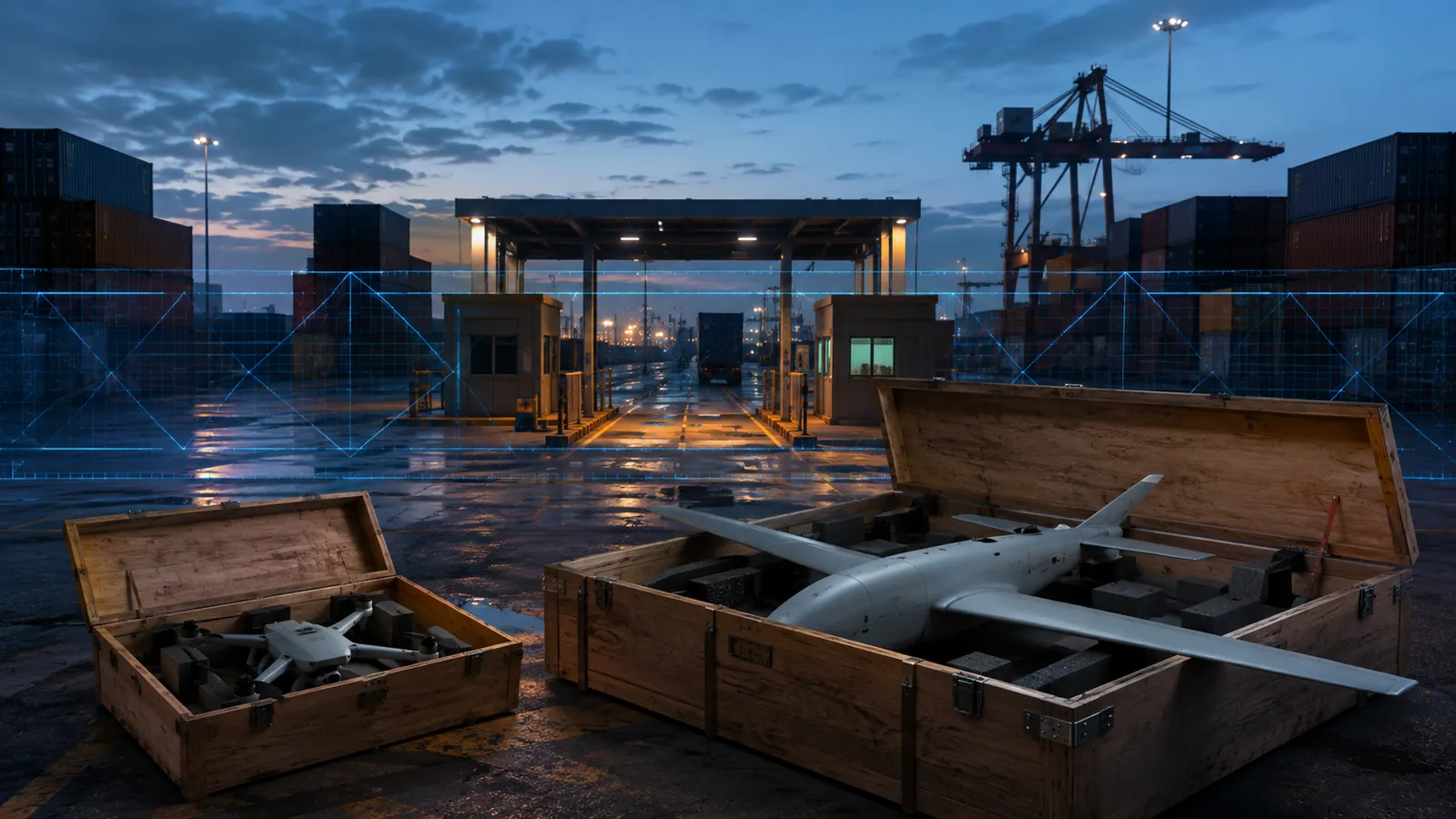

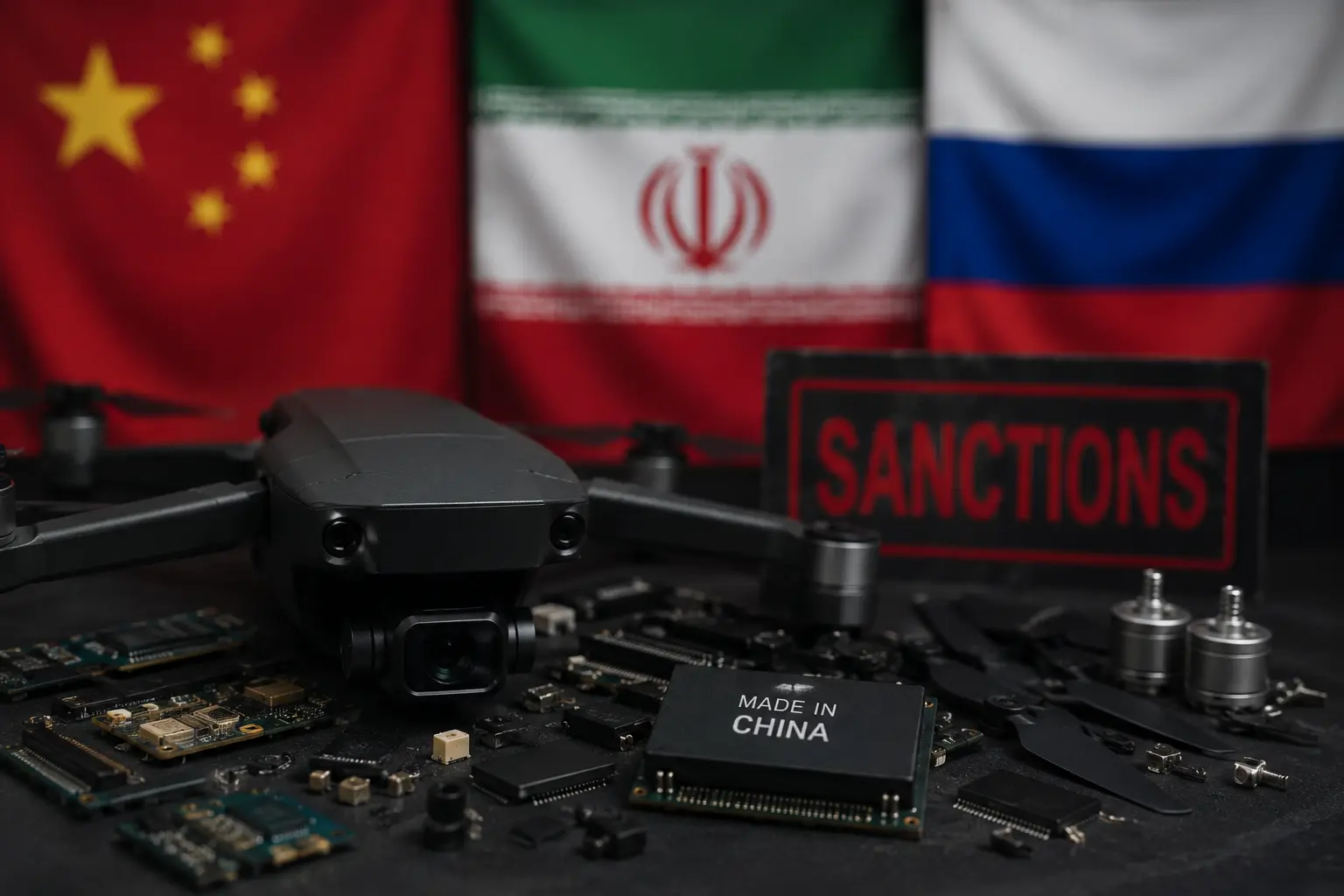
Chinese companies are openly shipping the core components of drone manufacturing to Iran and Russia — engines, batteries, microchips, fiber-optic cables, gyroscopes — despite US sanctions designed to sever those supply chains, according to a Wall Street Journal investigation based on Chinese customs data.
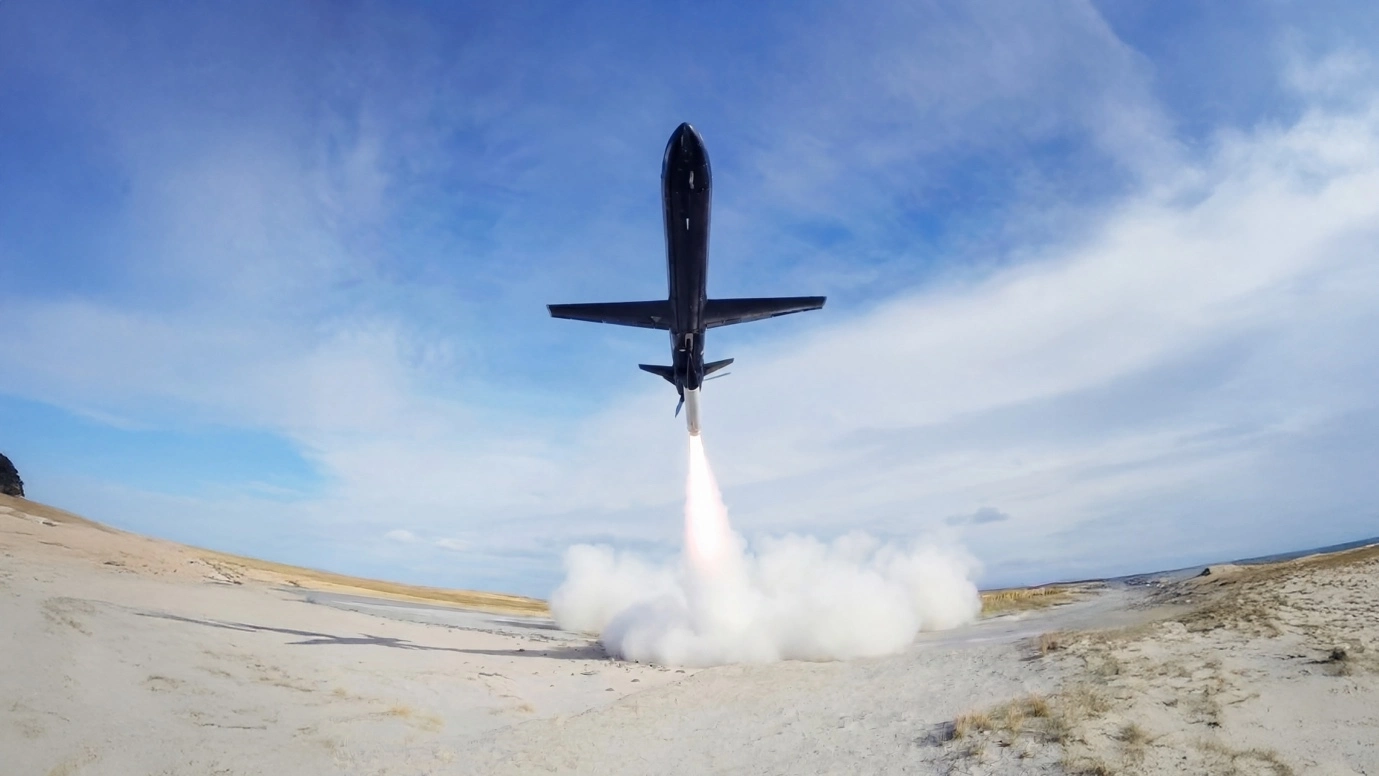
Hundreds of containers of these parts have reached both countries. Shipment volumes have increased during periods of heightened military activity, including surges in Russian drone strikes on Ukraine and Iranian attacks in the Middle East. The components directly support production of the Shahed-136 kamikaze drone and its variants, which have become one of the most consequential weapons systems of the past two years.
From transit hub to direct supplier
The nature of China’s role has changed. Earlier in the conflict, Chinese firms primarily functioned as a pass-through for Western-origin components, often mislabeling shipments to obscure their destination. The WSJ’s reporting describes something more brazen: Chinese manufacturers are now direct suppliers of domestically produced parts, marketing them openly during active hostilities.
One documented case is Xiamen Victory Technology, a small Chinese firm that listed German-designed L550 drone engines linked to Shahed-136 models on its public website and solicited customers by email during periods of US-Iran tension. The company’s footprint in Western financial systems is negligible — which is precisely the point. US Treasury sanctions require leverage, and firms with no dollar transactions, no US banking relationships, and no Western business exposure have little to lose from designation.
Why sanctions haven’t worked
The enforcement problem is not a lack of effort. The Treasury Department has sanctioned multiple Chinese entities and networks involved in these transfers. The problem is structural: drone components are commercially available parts that move through global supply chains indistinguishably from legitimate goods. The suppliers doing the most damage are small, obscure, and deliberately disconnected from the financial infrastructure that sanctions are designed to pressure.
Russia has sustained drone production volumes throughout the conflict. Iran has continued supplying Shahed variants to proxy forces across the Middle East. Neither has shown meaningful supply chain degradation from Western export controls — a failure that reflects the limits of financial pressure against adversaries with alternative economic relationships.
The diplomatic context complicates any escalation. US-Iran nuclear negotiations are reportedly advancing, and sanctioning additional Chinese suppliers aggressively while seeking Iranian cooperation at the negotiating table creates contradictory policy signals. That tension has not been resolved, and until it is, the shipments are likely to continue.