
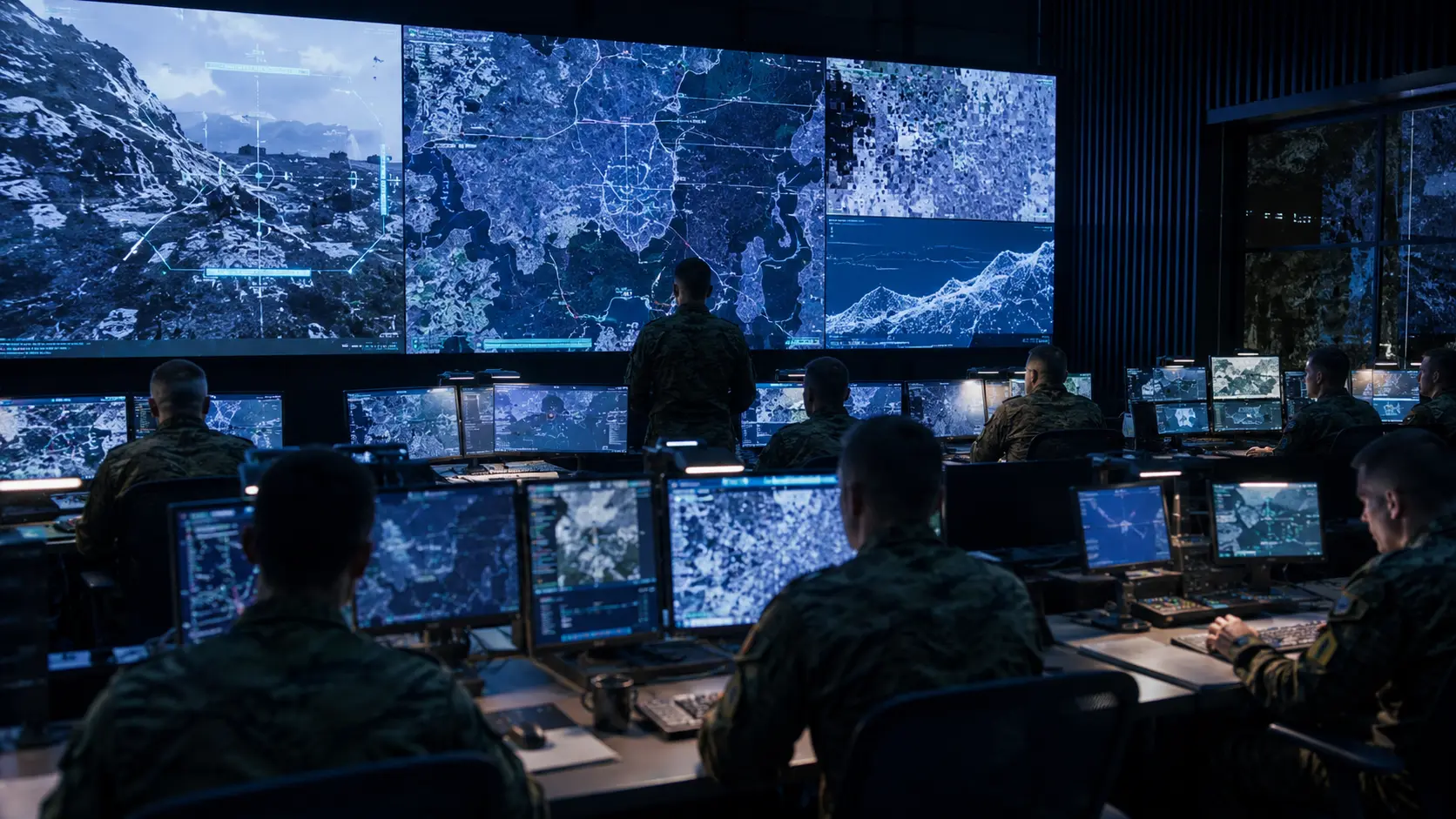
Europe’s militaries have moved past the experimental phase of artificial intelligence integration. Germany, France, and the United Kingdom are now deploying AI into targeting systems, electronic warfare, and autonomous munitions — and Ukraine is functioning as the live test environment for everything the continent is building.
The shift has been rapid. A decade ago, AI in European militaries meant logistics optimization and maintenance scheduling. By 2015 it had become a procurement priority. Today the investment is concentrated in two areas: semi-autonomous weapons with AI embedded in the system and a human authorizing final engagement, and AI-enabled decision support covering battle management, operational planning, and targeting analysis.
Which countries are furthest ahead
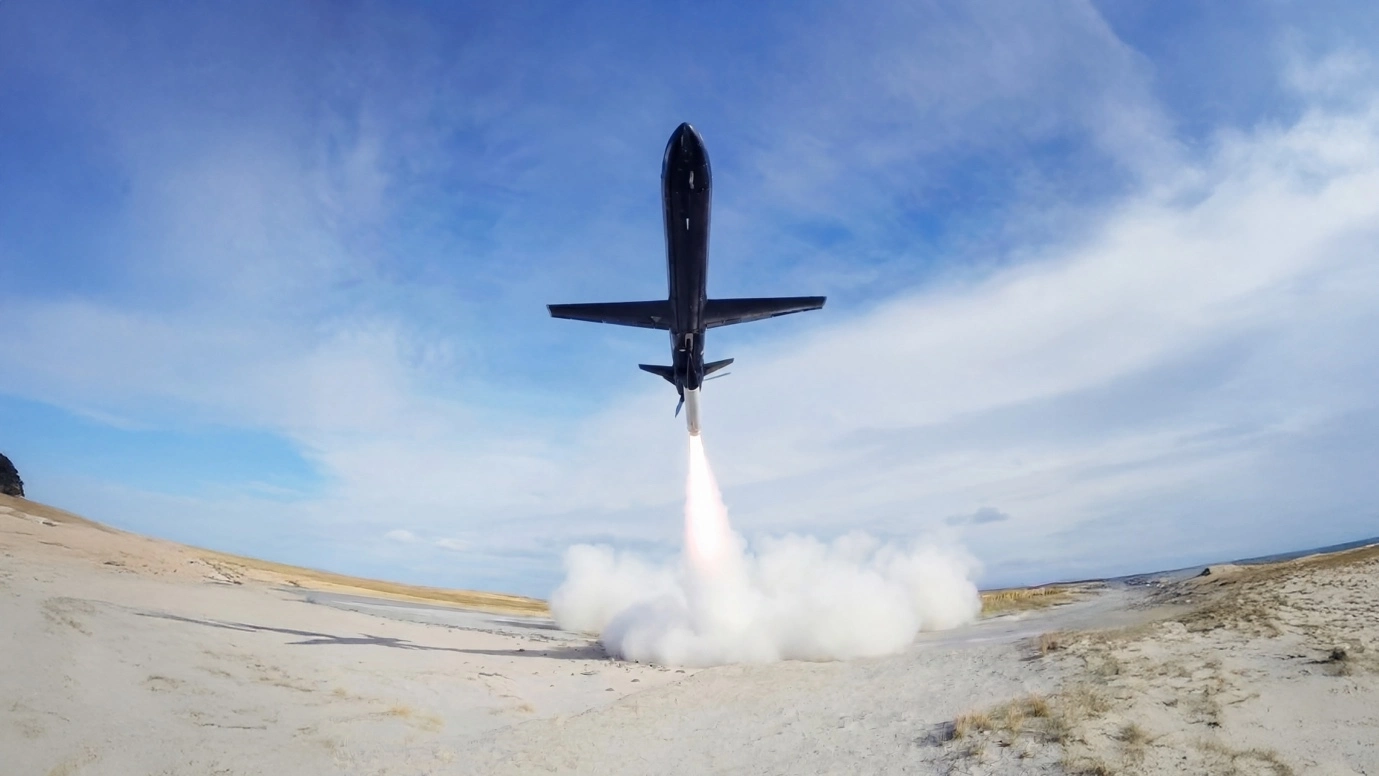
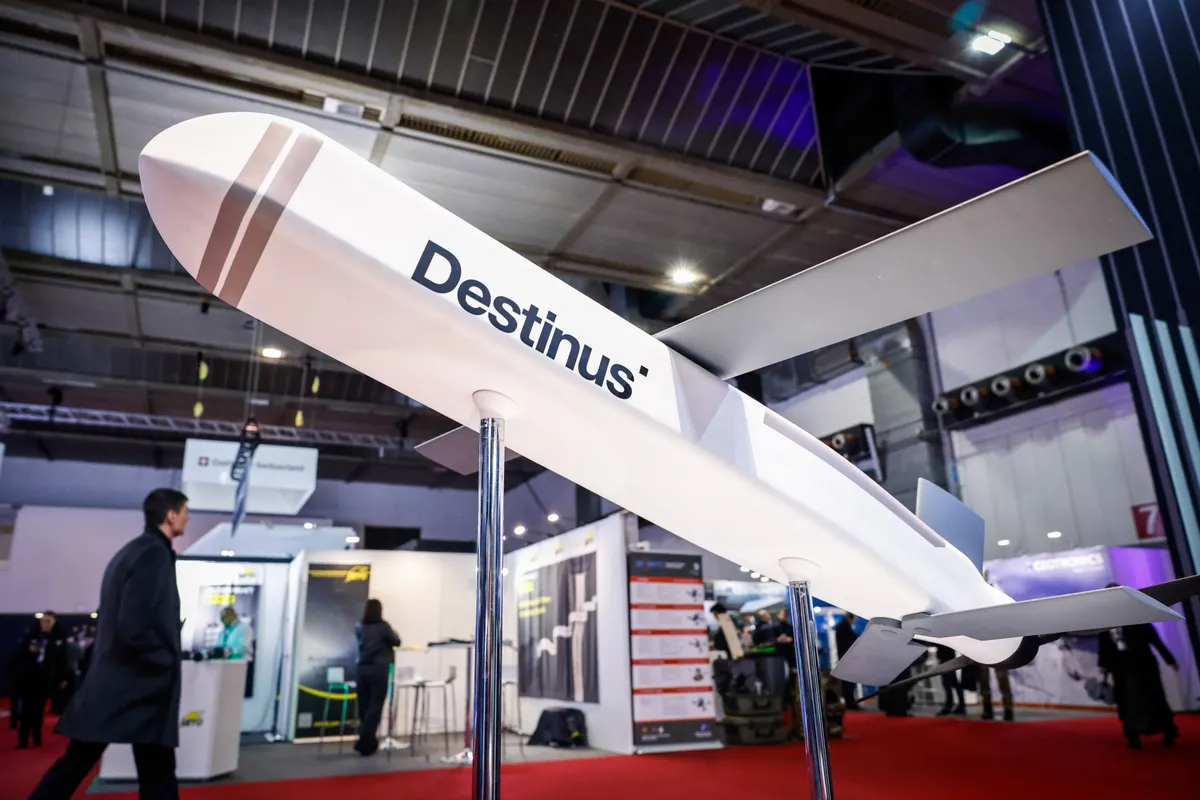
Germany has moved the most aggressively. Its Ministry of Defence signed a deal in 2023 with Munich-based Helsing AI to build the AI backbone for the Future Combat Air System, Europe’s next-generation fighter jet program. A separate contract integrates Helsing and Saab Germany’s AI into the Eurofighter’s electronic warfare suite. A third agreement — worth €269 million — has Helsing producing loitering munitions for the German military and NATO. On Monday, Germany and Ukraine launched the “Brave Germany” program, which will produce approximately 5,000 joint AI-enabled medium-range strike drones.
The UK announced the Asgard programme in 2025, a digitally-enabled reconnaissance and strike network combining sensors, decision-support tools, and weapons designed to accelerate targeting decisions and increase lethality. It also signed a strategic partnership with Palantir, with the US company committing up to £1.5 billion in UK AI investment to help the government integrate AI capabilities across defense and government functions.
France is taking the most strategically distinct approach. Rather than partnering primarily with US firms, Paris has prioritized building sovereign AI military systems independent of American technology. In January, the French government awarded a framework agreement to Mistral — the Paris-based AI company positioned as Europe’s alternative to OpenAI and Anthropic — giving the armed forces and select public entities access to Mistral’s models and services. The arrangement builds on a cooperation agreement signed with Mistral in 2025 and reflects a deliberate policy decision to avoid strategic dependence on US AI infrastructure.
Ukraine as the development environment
Every European AI military program is, to varying degrees, drawing on Ukrainian battlefield experience. Ukraine developed the Delta system — a digital battle management platform that fuses data from trackers, radars, satellite providers, and mapping systems into a single AI-analyzed operational picture. The platform was developed in coordination with NATO and is now used to track friendly force positions and identify enemy locations in near-real time.
Ukraine is also working with Palantir on “Brave1 Dataroom,” an AI system trained on combat data from the conflict with Russia, and on a separate system for detailed analysis of air strikes and large-volume intelligence processing. The European Commission’s Project STRATUS, announced last month, is developing an AI-powered cyber defense system for drone swarms — with a Ukrainian subcontractor included specifically so the technology can be tested under live combat conditions.
The most significant development in Ukrainian AI autonomy is the move toward munitions that can complete an engagement if a commander loses contact. Ukrainian commanders have begun describing the human operator as a bottleneck in targeting decisions. That framing — the human as a liability to response speed rather than a safeguard — represents a doctrinal shift that European militaries are watching carefully and have not yet formally adopted.
What’s slowing the rest of Europe
The European Defence Fund has selected several AI projects in its latest allocation round, including a deployable large language model for state military use, a sovereign European AI support tool, and an AI-enabled artillery system. The institutional machinery is functioning.
The concern among analysts is execution speed. Roy Lindelauf, professor of data science at the Netherlands Defence Academy, put it directly: Europe has well-thought-out plans, but “what we need right now is to actually do it.” Decision-making processes across European defense procurement are not structured for the pace at which AI capability is developing, and the gap between announced programs and fielded systems remains wide.