

Drone Delivery
Drone Delivery Companies: Who's Flying What in 2026
Wing, Zipline, Amazon, Manna, Flytrex, Matternet, DroneUp — where they fly, what they deliver, and why certification was not the hard part.
Last updated:
11 news articles on Drone Delivery ↓
Guide overview
Matternet’s M2 was the first non-military drone to earn an FAA type certificate, in September 2022. A production certificate followed that November. It also holds a Swiss operator certificate for flights beyond visual line of sight over populated areas. On paper it has the best regulatory position of any delivery drone company in the world.
Its revenue for the fiscal year to September 2025 was $392,739. Down from $542,974 the year before. The accumulated deficit stands at $145.7 million and the auditor’s report carries a going-concern paragraph.
Those numbers only became visible when Matternet started filing with the SEC in May 2026, and they are the most useful thing to happen to this industry’s public understanding in years. For most of a decade the story of drone delivery has been that regulation is the bottleneck — get the certificates, and the business follows. Matternet got the certificates.
The volume leaders are Zipline, past two million deliveries, and Wing, past one million with Walmart. Neither got there because of superior paperwork. They got there because they attached themselves to something that already had customers.
What Actually Gates Drone Delivery
Eight US operators now hold FAA Part 135 air carrier certification. The long-standing holders are Wing, UPS Flight Forward, Amazon Prime Air, Zipline, Causey Aviation Unmanned (which flies Flytrex aircraft) and DroneUp. DoorDash Labs became the eighth in July 2026. Part 135 is the legal foundation — without it you cannot run paid delivery over populated areas at any scale.
It is not sufficient, in two separate ways.
Operationally, Part 135 does not authorise flight beyond visual line of sight. Each location needs its own waiver, exemption or approval, which is why expansion in the US has been a series of individual negotiations with the FAA rather than a rollout.
That may be about to change. The FAA’s Part 108 rule, proposed in August 2025, would replace the waiver system with a standing framework for routine BVLOS covering aircraft up to 1,320 pounds. The final rule went to the Office of Information and Regulatory Affairs on 10 July 2026 — the last stop before publication — and OIRA review can take up to 90 days. Nothing has been issued yet. Our BVLOS regulation guide covers where it stands in detail.
Commercially, and this is the part the sector understated, certification does not produce demand. Matternet and DroneUp both hold strong regulatory positions and neither has a business to match. DroneUp has Part 135 and lost its only major customer. The companies growing are the ones plugged into an existing demand channel: Walmart for Wing, health systems and now Uber Eats for Zipline, Wolt and Deliveroo for Manna, DoorDash and Uber for Flytrex.
Drone delivery is turning out to be a distribution business that happens to involve aircraft.
Wing — Alphabet’s Retail Network
Wing has the widest US retail reach. The Alphabet subsidiary announced an expansion with Walmart in January 2026 to 150 additional stores, and added seven more metros in July — Memphis, New Orleans, Philadelphia, Phoenix, San Diego, the San Francisco Bay Area and Salt Lake City — taking the partnership to nearly 20 US markets. The target is 270 locations by the end of 2027, putting drone delivery within reach of more than 40 million Americans.
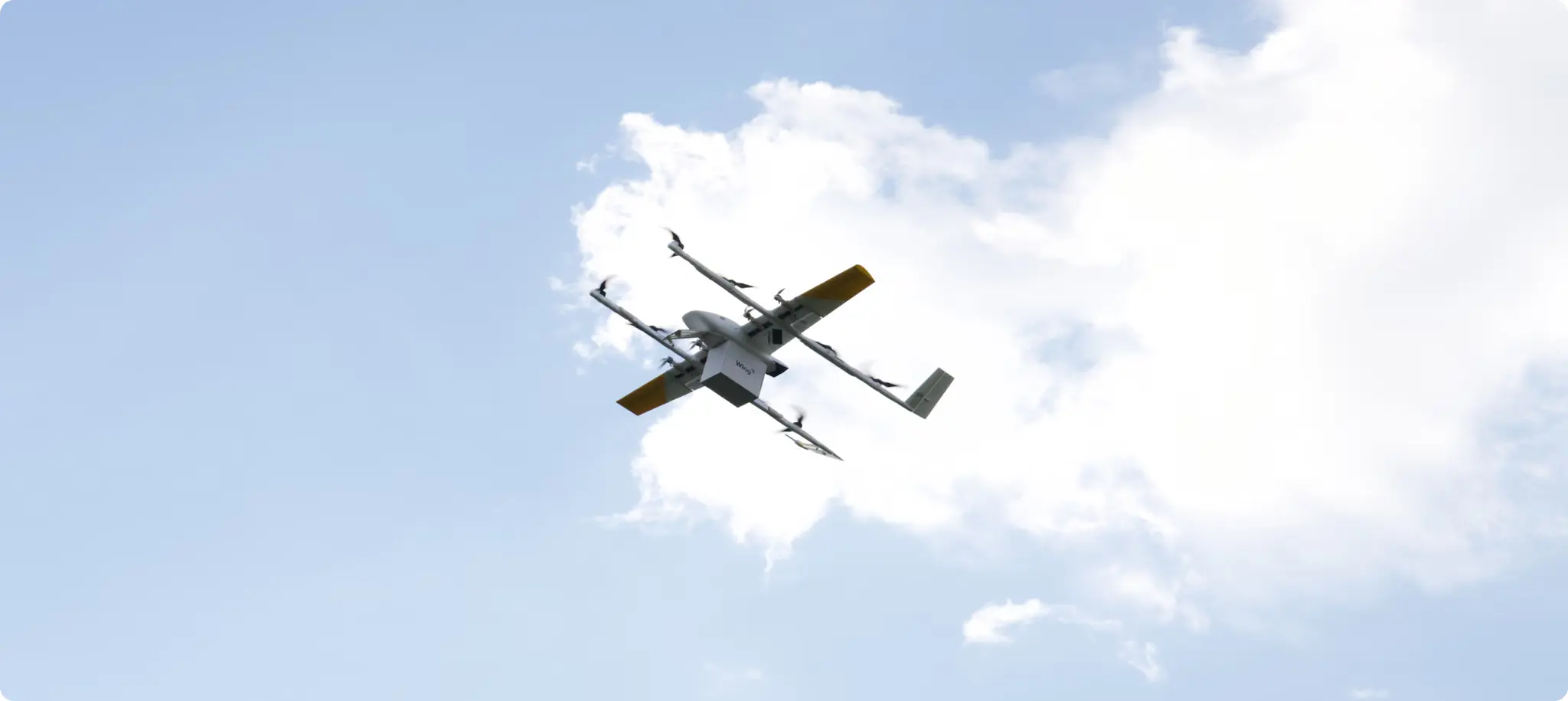
The partnership has passed one million commercial deliveries. Outside the US, Wing is most established in south-east Queensland, where it has flown from retail centres in Logan, Ipswich, Springfield and the Gold Coast for years.
The standard aircraft carries 2.5 lb, weighs 11 lb, cruises at up to 65 mph and flies a 12-mile round trip. A larger variant handles 5 lb. In March 2026 Wing got FAA approval for after-sunset delivery in Charlotte and Dallas-Fort Worth, one of the first night clearances in the US, which matters more than it sounds — evening is when people order dinner.
Wing takes no outside funding and sells through marketplaces rather than to consumers directly. Walmart for retail, DoorDash for restaurants.
Zipline — The Volume Leader
Zipline has passed two million autonomous commercial deliveries across four continents, several times any competitor. It started in Rwanda in 2016 flying blood and vaccines to remote clinics and expanded into Ghana, Nigeria, Kenya, Japan and the US. American markets include Dallas-Fort Worth, Houston, Phoenix, Seattle and Detroit, with partners including Panera, Chipotle, Crumbl, Little Caesars, Wendy’s and Memorial Hermann. US deliveries have grown around 15% week over week for seven months.
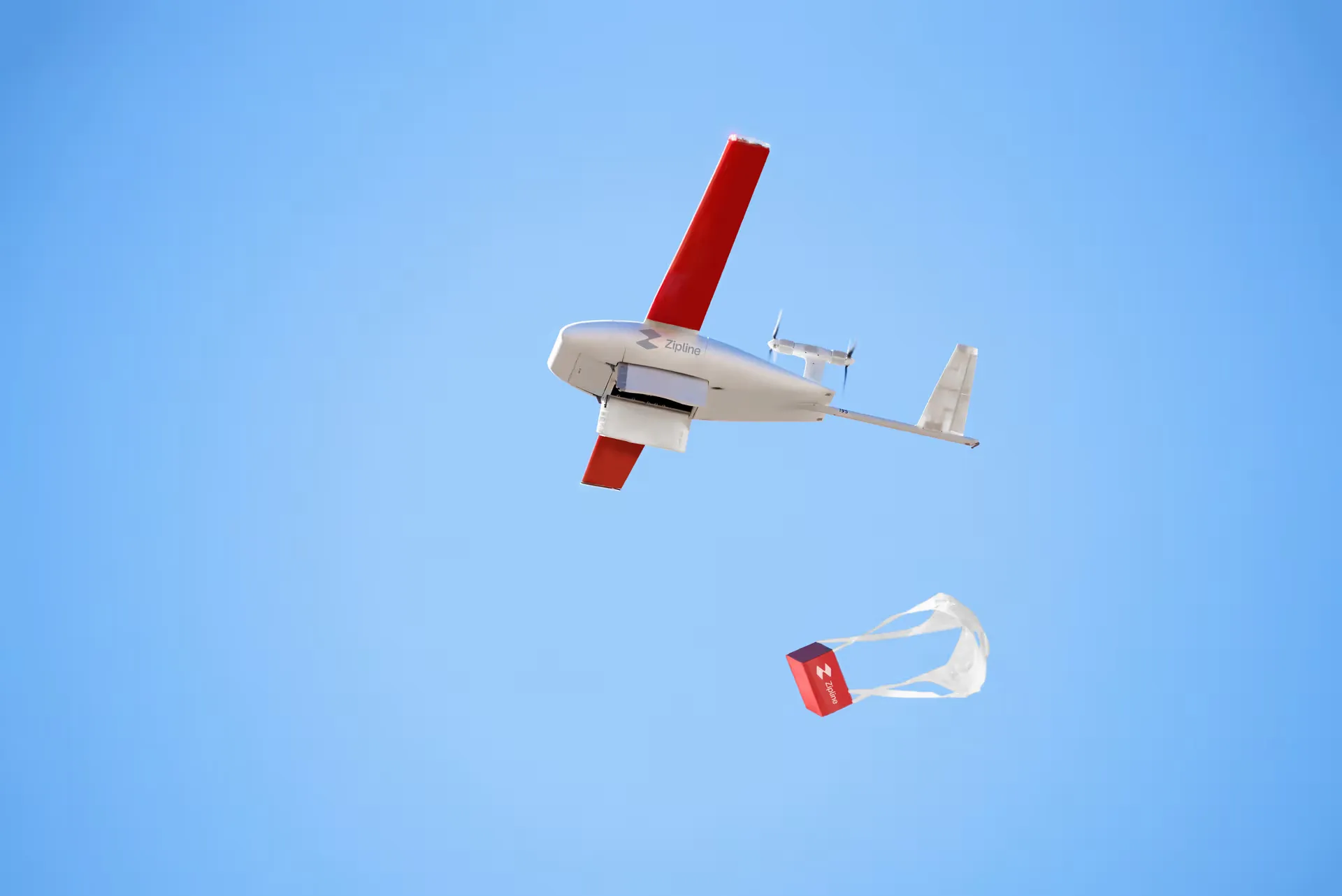
Two systems. Platform 1 is the long-range fixed-wing medical aircraft — 1.75 kg, 160 km round trip, roughly 100 km/h — built for government and health system contracts. Platform 2 is the suburban retail system: up to 8 lb, 24-mile range, with a tethered droid that lowers the package from a hovering aircraft, doing 10-mile deliveries in about 10 minutes.
Zipline closed a $600 million Series H in January 2026 at a $7.6 billion valuation and extended it by $200 million in March, for $800 million total. Investors include Fidelity, Baillie Gifford, Valor Equity and Tiger Global. Cumulative funding is above $1.7 billion, making it the best-capitalised pure play in the sector.
In August 2026 it signed with Uber Eats, targeting one million deliveries a day by 2029. Read that against two million deliveries in total since 2016 and you can see the size of the ask — roughly a 230-fold increase in daily rate. It is the most aggressive scaling commitment anyone in this industry has made, and the clearest test of whether the unit economics behind a $7.6 billion valuation exist.
Amazon Prime Air — Big Company, Small Footprint
Amazon has Part 135 and BVLOS approval and a strikingly narrow operation. The documented US markets are College Station, Texas, and West Valley Phoenix, served from Tolleson, Arizona, with San Antonio announced and test activity in the UK near Darlington.
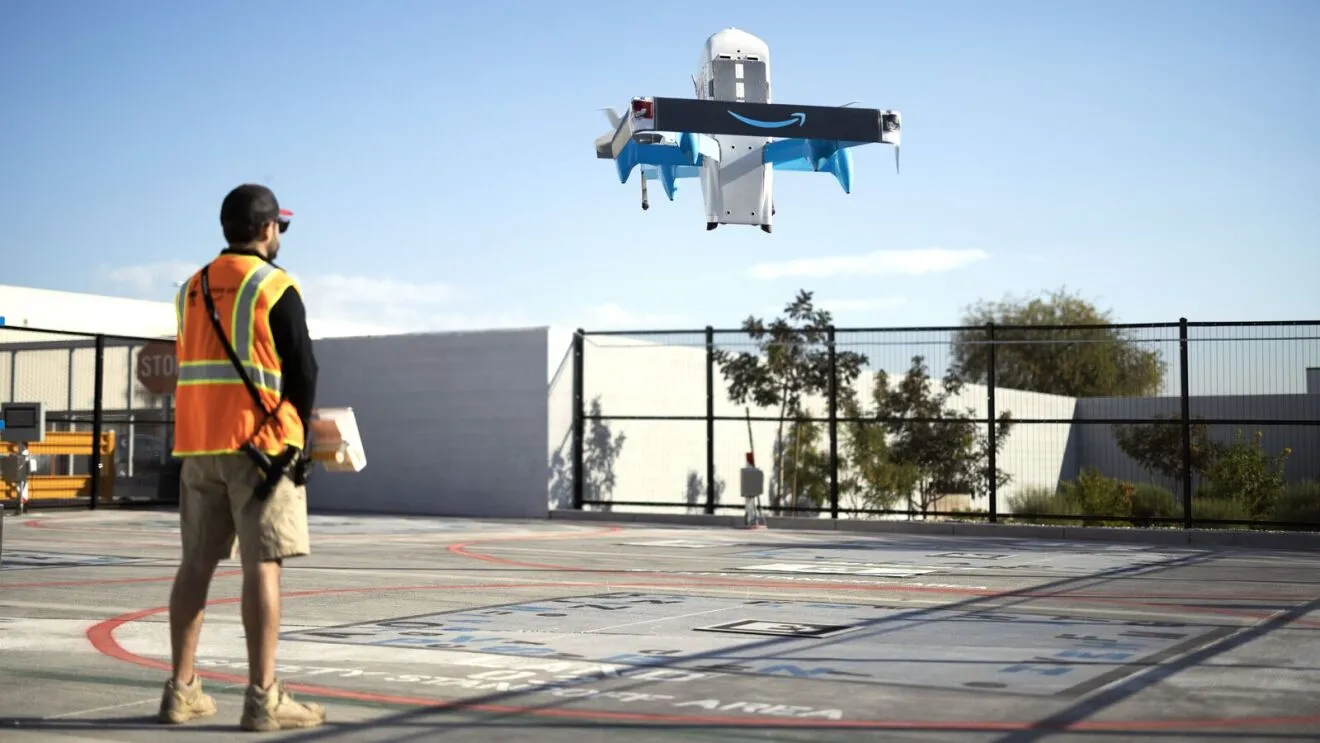
The MK30 has an 83.2 lb maximum takeoff weight, 7.5-mile range and 5 lb payload, targeting about 60 minutes from order. Amazon says more than 50,000 catalogue items qualify.
The company has said it plans to reach nearly 500 US cities and towns by the end of 2026. It is currently in two. Treat that as a statement of intent rather than a schedule — Prime Air has announced ambitious expansion before, does not publish cumulative delivery counts, and drew NTSB and FAA scrutiny after a crane collision in Arizona in October 2025. Industry estimates put lifetime flights around 16,000, unverified by Amazon.
Prime Air exists to improve Amazon’s own same-day economics, not to win as a neutral delivery network. That makes it hard to read from the outside and easy to fund indefinitely.
Manna — Europe’s Consumer Specialist
Manna is the most established consumer drone delivery operator in Europe, based in Dublin 15 and Blanchardstown, with operations in Helsinki and Espoo through Wolt. The aircraft weighs 23 kg, carries 4 kg, cruises at up to 80 km/h and averages about 2 minutes 40 seconds per delivery. It flies in heavy rain and winds to 36 km/h, which in Ireland is not a specification you can skip.
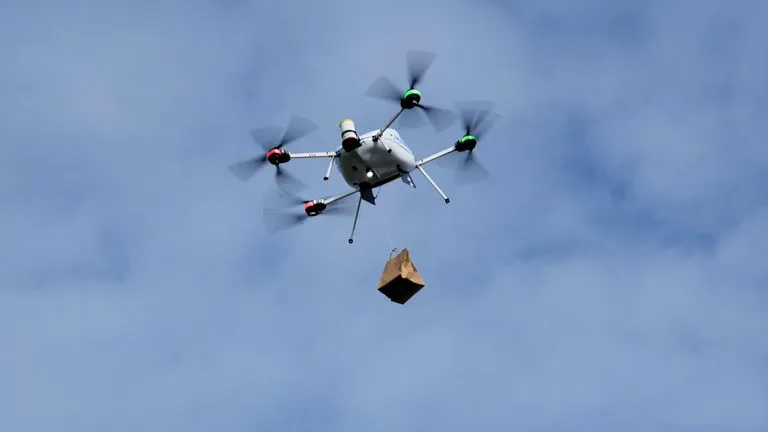
It passed 250,000 deliveries in early 2026 with a stated target of two million flights by year end. Partners include Wolt and Deliveroo, with restaurant brands around Blanchardstown.
Manna raised a $50 million Series B in April 2026 led by ARK Invest, taking disclosed funding to roughly $110 million, with the Ireland Strategic Investment Fund, Schooner Capital, Coca-Cola HBC, Molten Ventures and Enterprise Ireland also in. The round funds expansion to 40 bases.
Community noise complaints in Irish suburbs remain the thing to watch. In dense European residential neighbourhoods, local acceptance may bind harder than aviation approval.
Flytrex — Suburban US Food Delivery
Flytrex is the most focused US food operator, flying in Holly Springs and Raeford, North Carolina, and across Dallas-Fort Worth suburbs including Granbury, Little Elm, Frisco, Wylie and now Rowlett. It operates through Causey Aviation Unmanned, which holds the Part 135 certificate, rather than holding one itself.
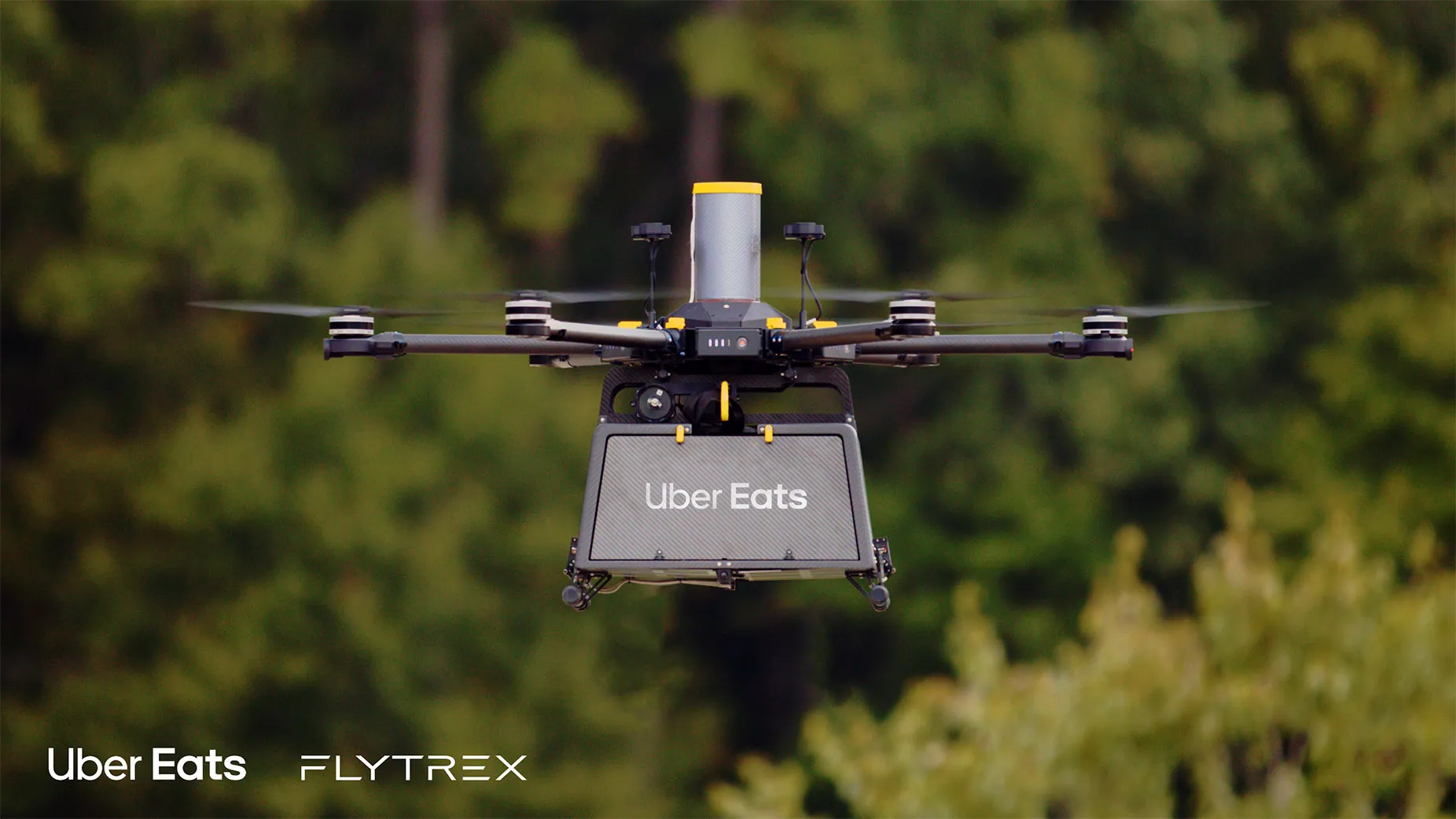
The Sky2 carries 8.8 lb — two large pizzas — up to 4 miles, averaging about 4.5 minutes from takeoff to delivery. Flytrex has passed 200,000 US deliveries and opened a facility at Pilot Point, Texas, to support expansion.
It raised a $40 million Series C, taking total funding to roughly $60 million. DoorDash launched joint delivery with Flytrex in Little Elm and Frisco in June 2025, and Uber invested in September 2025 for Uber Eats pilots. Those two integrations are the whole commercial story: they put Flytrex inside the largest US food marketplaces without having to build consumer demand itself.
Matternet — The Cautionary Case
Matternet was the certification leader, and its filings are the most instructive documents in the industry.
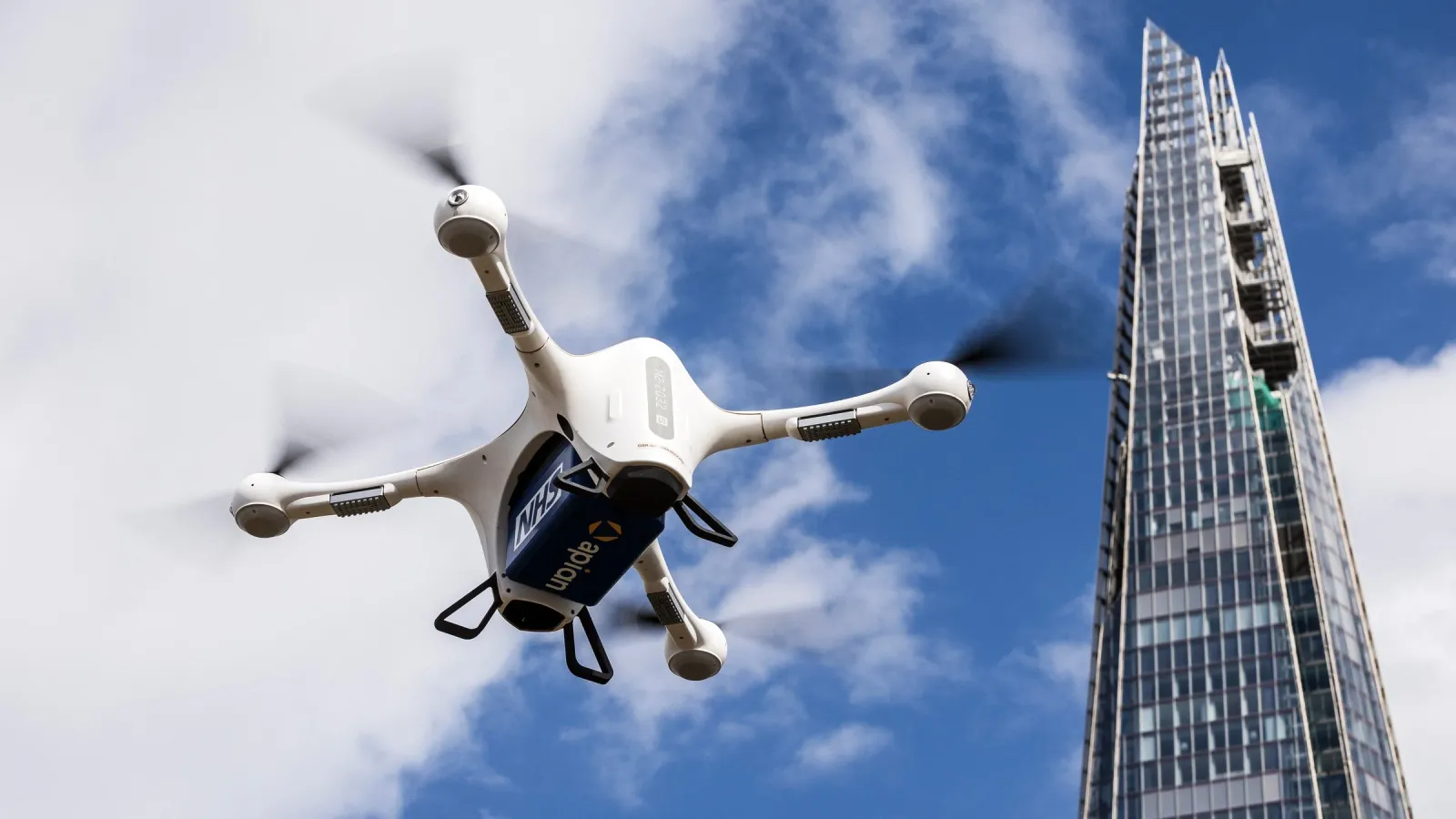
The M2 carries 2 kg up to 20 km and remains the only delivery drone with both FAA type and production certification. Matternet holds a Swiss FOCA operator certificate for SAIL III operations — BVLOS over populated areas — and has flown hospital routes in Switzerland for years. UPS Flight Forward has flown BVLOS with M2 aircraft in Florida, Ameriflight is approved to operate them for US healthcare customers, and in April 2026 Matternet launched NHS-linked operations in central London with Apian.
Then it went SEC-reporting in May 2026 and the commercial reality became visible. Revenue of $392,739 in FY2025, against cost of revenues of $597,601 — the service has never, in any disclosed period, sold for more than it cost to deliver. For the nine months to June 2026, revenue was $255,564 against costs of $534,496, a gross loss before any research, sales or administrative expense. One customer accounted for roughly 80% of revenue. The delivery-as-a-service line brought in nothing at all in those nine months.
Net loss for the nine months was $15.1 million. Cash stood at $23.1 million, which is the go-public money rather than anything the business generated. Management told the SEC it expects that cash to be depleted within twelve months on the current plan, and does not consider either new financing or sufficient cuts probable.
There is no listing. Matternet became a reporting company through a reverse merger with a shell, and its cover page gives the trading symbol as N/A. It carries public-company disclosure obligations without public-company financing access, which is exactly why we can see these numbers and not its competitors’.
A going-concern opinion is a statement about uncertainty, not a prediction of failure, and companies finance past them regularly. But the lesson generalises beyond Matternet: medical logistics is a genuinely valuable use case with genuinely small volumes, and being first through the regulator does not create a market.
DroneUp — Approval Without a Customer
DroneUp received Part 135 certification in late 2024, the sixth US operator to hold one, covering BVLOS expansion from its Murphy, Texas base with the Prism V2 — 55 lb maximum takeoff weight, 5-mile range.
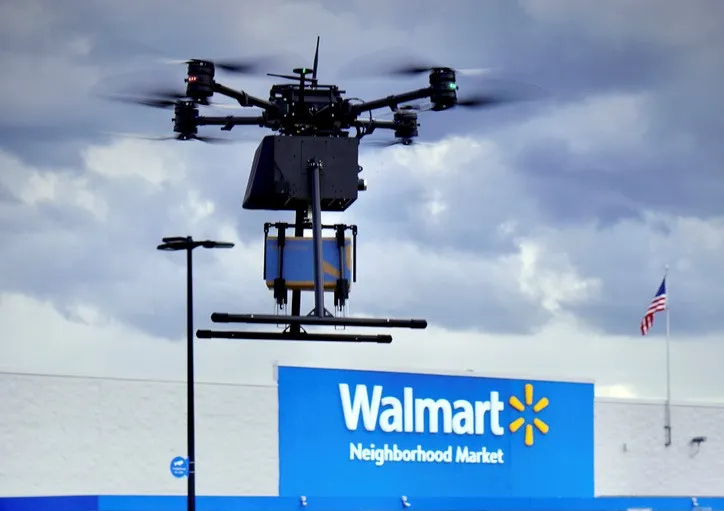
Walmart was its primary customer and ended the relationship after hub closures and cost problems, moving its drone investment to Wing and Zipline. DroneUp has not announced a replacement retail partner. Disclosed funding is roughly $8-14 million, an order of magnitude below everyone else here.
It has the regulatory foundation and needs a customer. That is the same sentence as Matternet’s, written with different numbers.
Where Is Drone Delivery Most Advanced Outside the US?
Australia is the most advanced real-world market, largely because Wing has flown there for years under CASA’s BVLOS process, with south-east Queensland the established region.
The EU has the most harmonised architecture on paper through EASA’s Open, Specific and Certified categories, SORA risk methodology and U-space. Ireland and Finland benefit directly and both are Manna markets. In practice U-space deployment has lagged badly, and EASA is now proposing a simplified “U-space Light” tier partly to unblock BVLOS. The UK moves separately through CAA trials and an urban drone roadmap, with Amazon, Apian and Matternet as the test cases.
Switzerland has the most mature medical drone permissions in Europe, built around Matternet’s certification and Swiss Post hospital networks. Rwanda and Ghana are advanced for a different reason: Zipline built national medical logistics infrastructure with government support, which shows the model scales when a government designs procurement around it instead of waiting for operators to force the issue.
How Large Will the Drone Delivery Market Be?
Forecasts vary wildly depending on definitions and BVLOS assumptions. McKinsey puts the US serviceable addressable market near $5 billion by 2035 with around 1.5 billion annual deliveries. Grand View Research has the global package delivery market going from $585 million in 2023 to $5.24 billion by 2030. PwC estimates roughly 800 million annual deliveries by 2034, moving about $65 billion in goods.
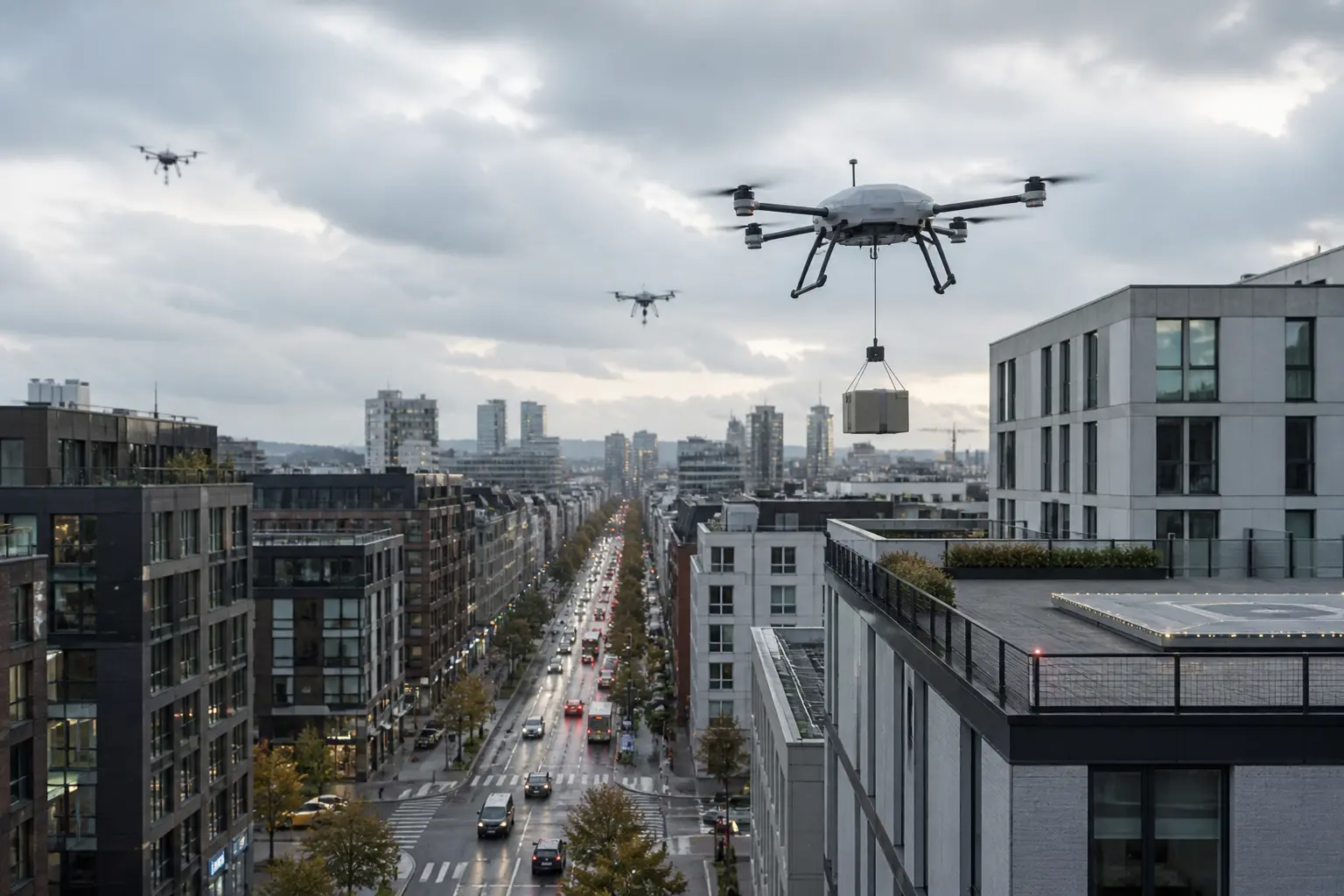
The defensible reading: by 2030 this is probably still a single-digit-billion-dollar global market. The 2035 upside is much larger and depends on three unsettled variables — whether BVLOS becomes routine, whether residents accept the noise, and whether major retailers treat drones as everyday fulfilment rather than a premium novelty.
Matternet’s disclosure adds a fourth. Nobody outside these companies has seen unit economics at scale, because almost none of them report. One did, and the numbers were worse than the sector’s public narrative implied.
What to Watch
OIRA clearing Part 108. Review can run 90 days from 10 July, so a decision is due around now. A final rule replaces site-by-site negotiation with a standing framework and is the single most consequential event for US operators.
Zipline against the Uber Eats target. One million deliveries a day by 2029, from two million total in a decade. Whether that number survives contact with 2027 tells you what the sector’s real ceiling looks like.
Whether Amazon gets anywhere near 500 cities. It is in two. The gap between the announcement and the footprint is the thing to measure.
Wing’s 270 Walmart locations by 2027. The largest test of retail drone delivery at scale. Execute without safety incidents or community backlash and the consumer model is validated; stumble and it sets the category back years.
Whether Matternet finances past its going concern, and whether anyone buys the certificates if it does not. The M2’s type and production certificates are the only pair of their kind, and they would be worth something to a better-distributed operator.
Manna’s two million flight target, an eightfold rise from its early-2026 baseline, and whether Irish noise complaints turn into planning constraints.
Latest Coverage
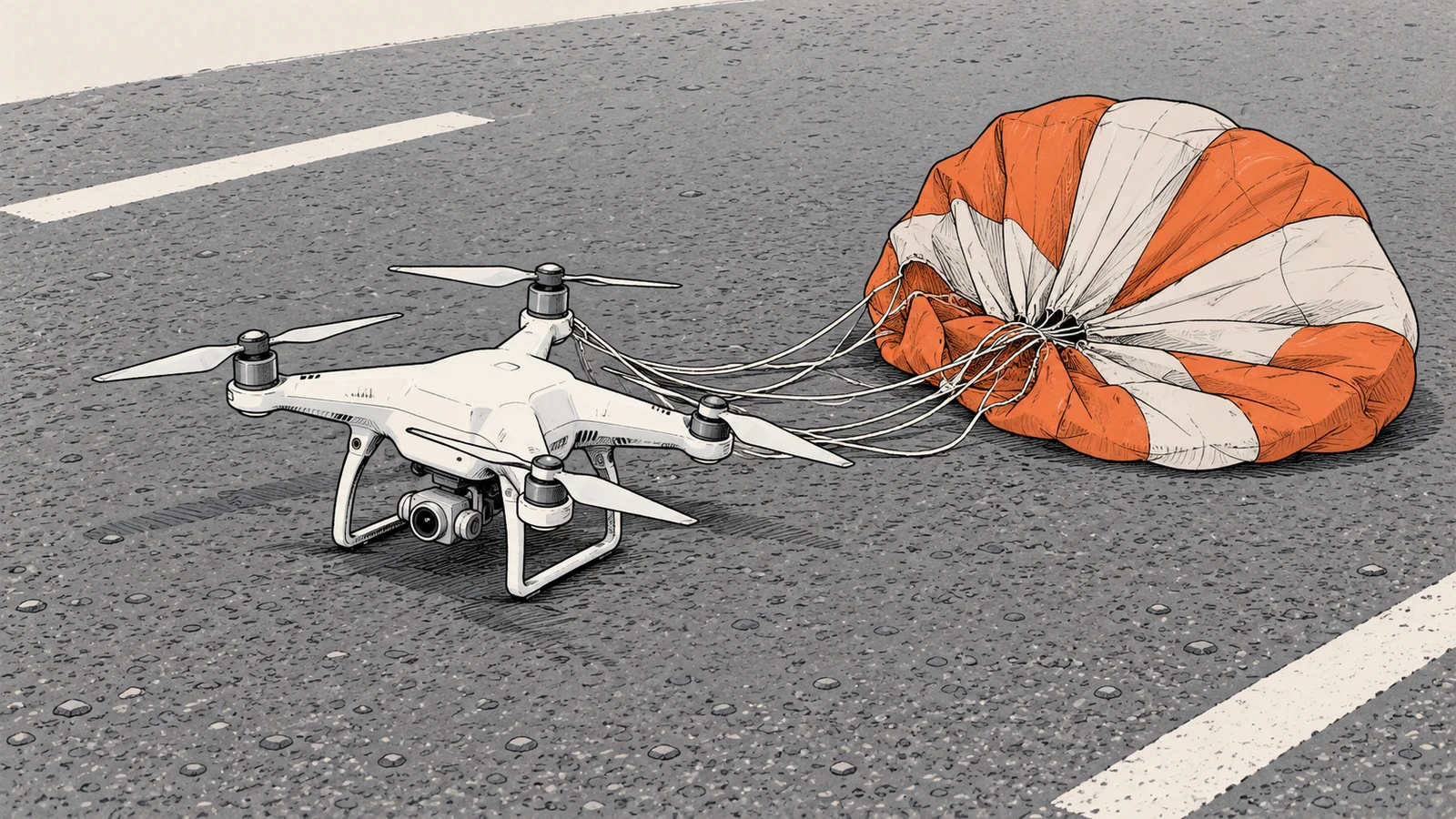
Why a Drone on a Houston Highway Triggered No FAA Report
A Zipline drone parachuted onto Highway 6 on 4 September. No injury, no $500 of damage and no airworthiness certificate means no mandatory report.
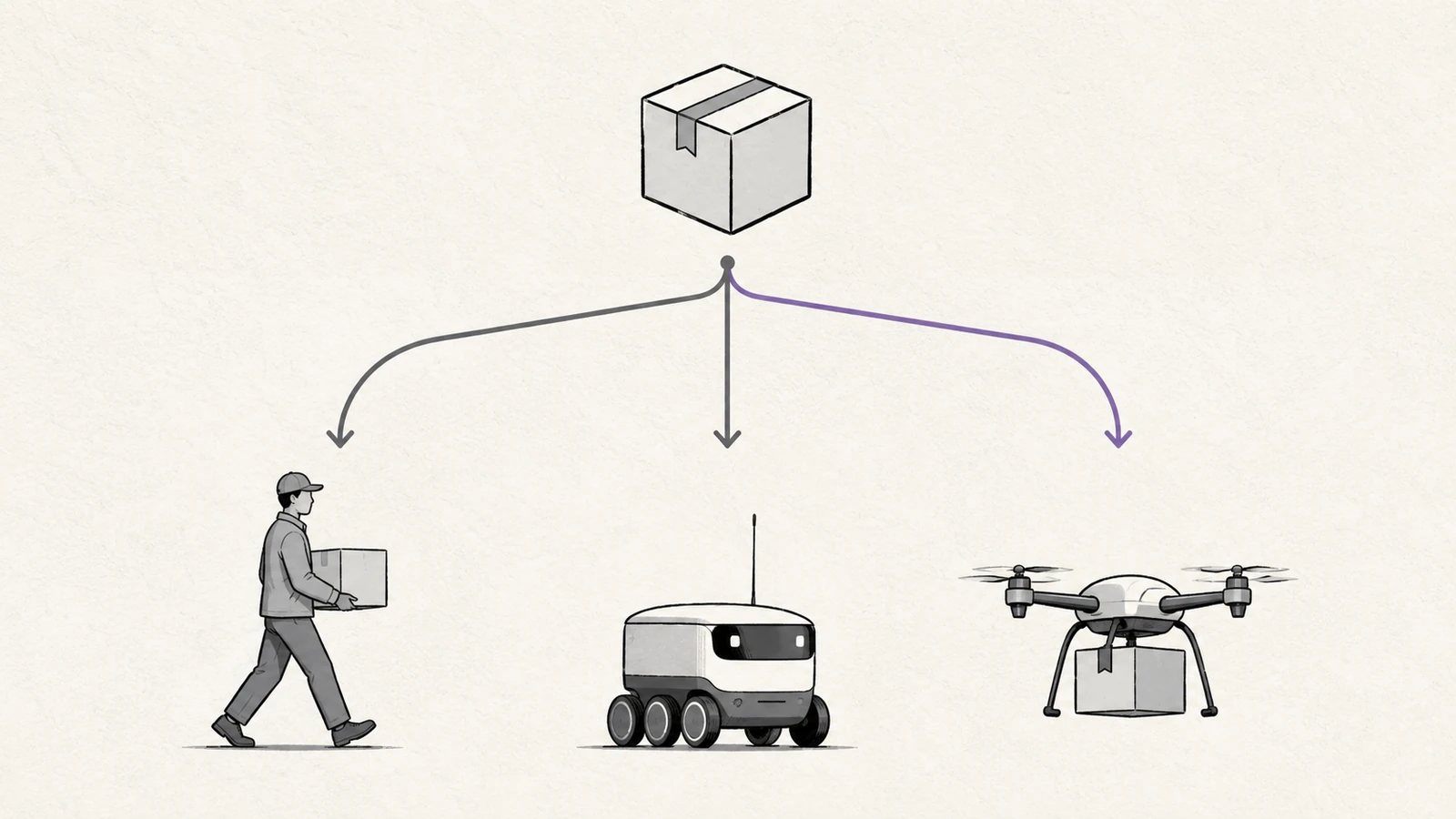
DoorDash got an airline licence and kept its drone partners
DoorDash won FAA Part 135 certification in July and starts flying its own drones this autumn. Wing and Flytrex are partners, and now suppliers.
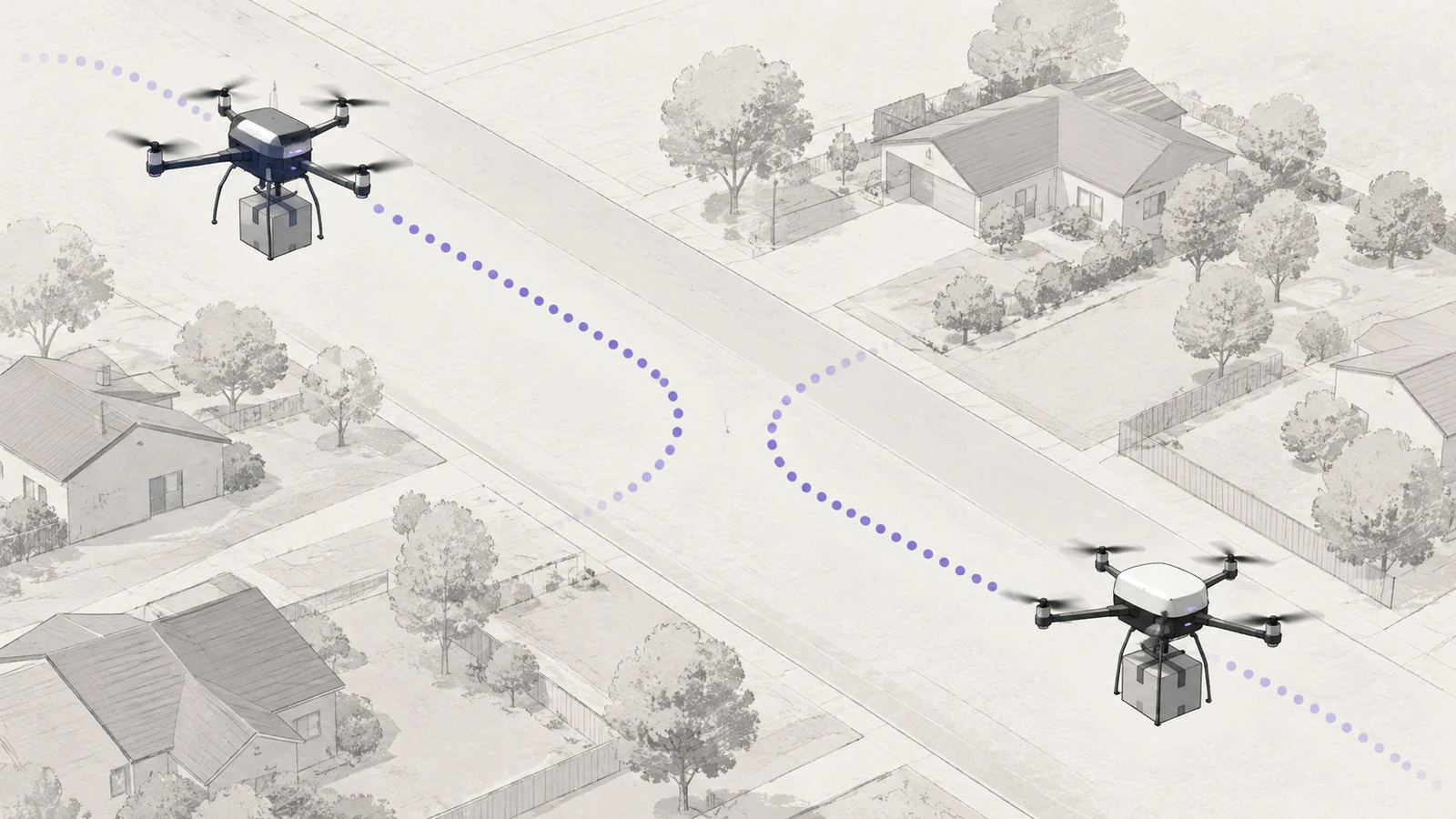
Wing and Flytrex share Dallas airspace, but not emergencies
The two flew 8,000 overlapping flights over two Texas suburbs with no conflicts. Neither system tells the other when an aircraft is in trouble.
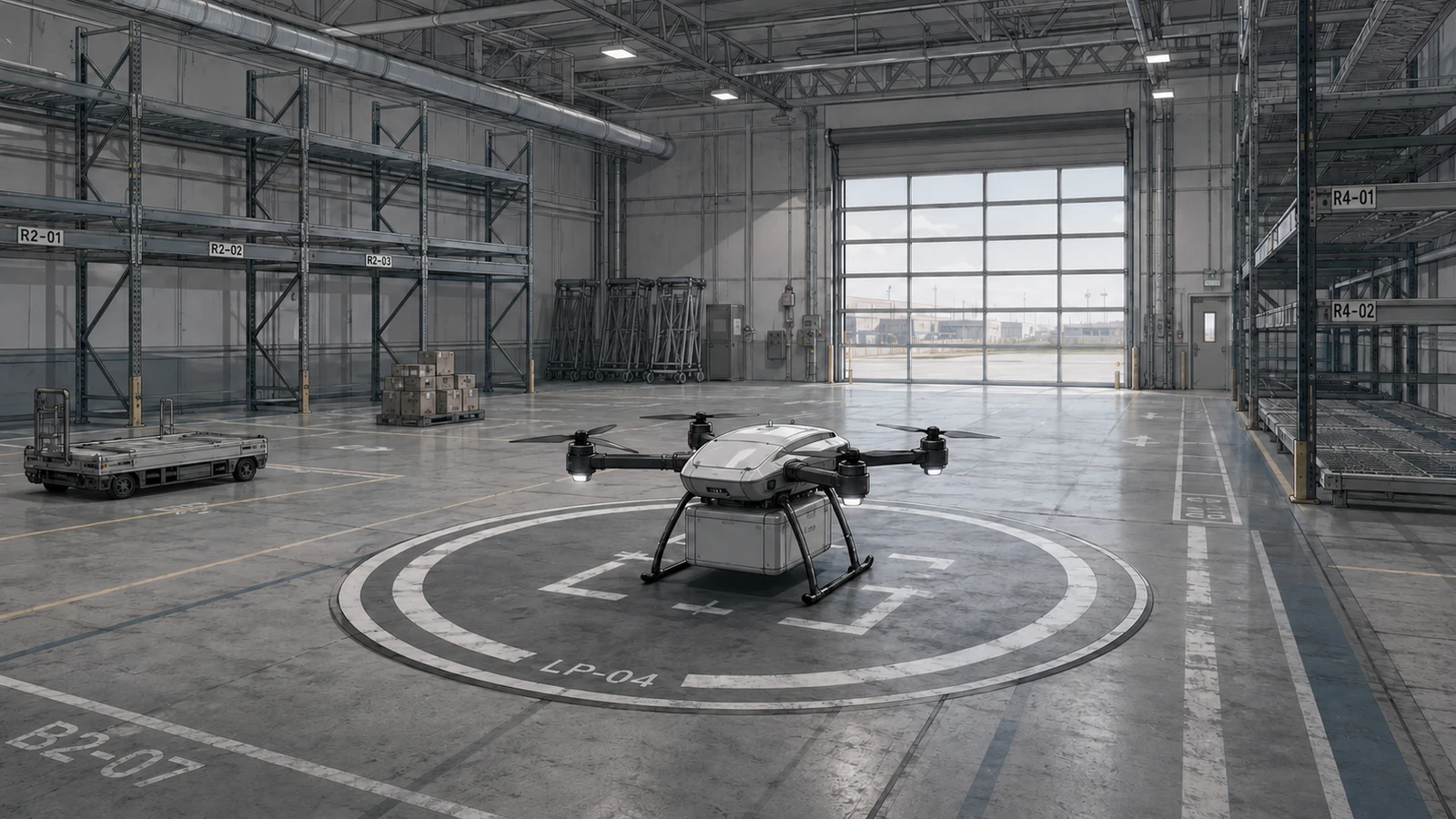
Matternet Warns on Going Concern With Revenue Under $400,000
Matternet's SEC filings show $392,739 of revenue in the year to 30 September 2025, a $145.7M accumulated deficit and an auditor going-concern opinion.
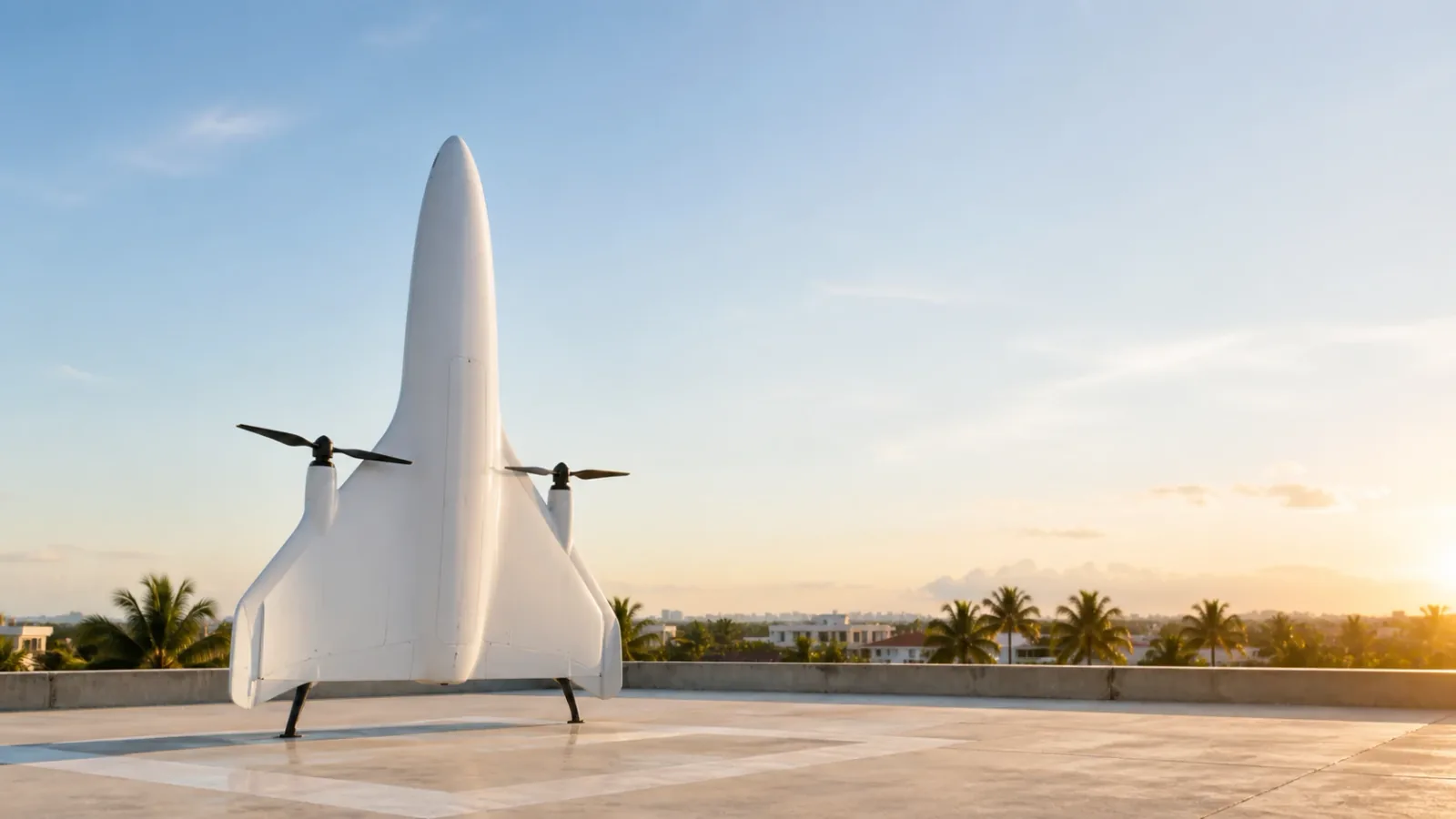
Airbound Raises $37M to Undercut Trucks on Delivery Cost
Airbound raised a $37M Series A led by Greenoaks for tail-sitter cargo drones, with DoorDash joining and a 10,000-flights-a-day network planned in India.
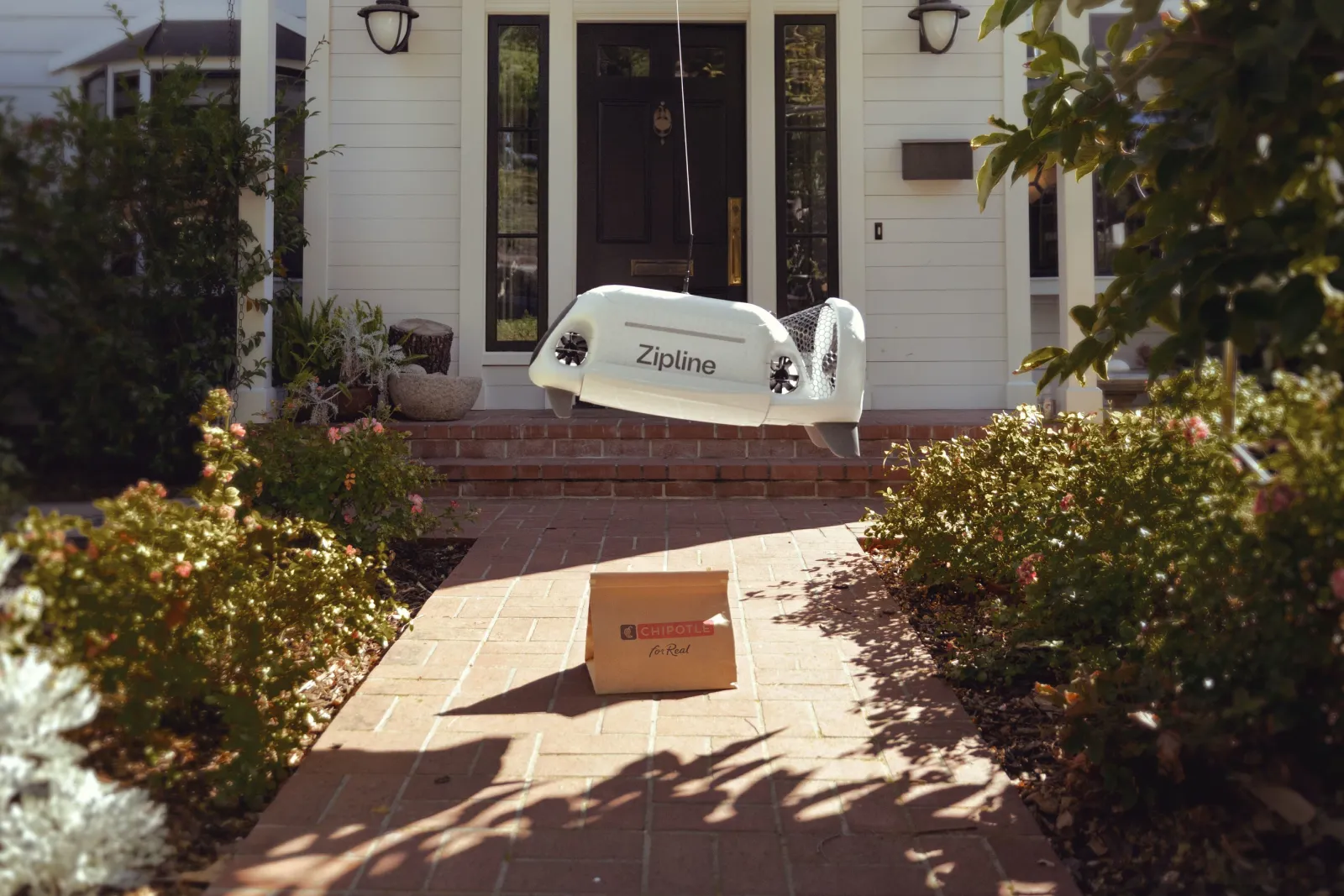
Chipotle Expands Zipline Drone Delivery to Fort Worth and Houston
Chipotle is expanding its Zipline drone delivery network to Fort Worth and Houston after encouraging early results in Rowlett, Texas.
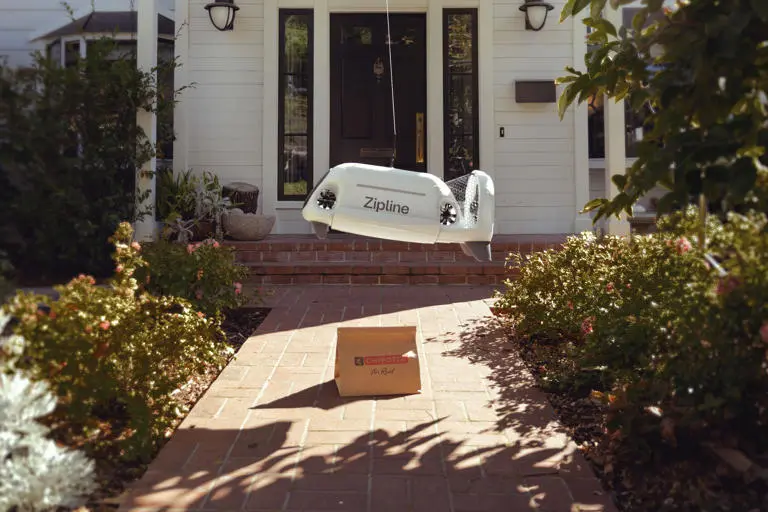
Flytrex Sky2 Can Deliver Two Large Pizzas by Drone
Flytrex's Sky2 octocopter launches with Little Caesars in Texas, carrying nearly 9 pounds of food per delivery.
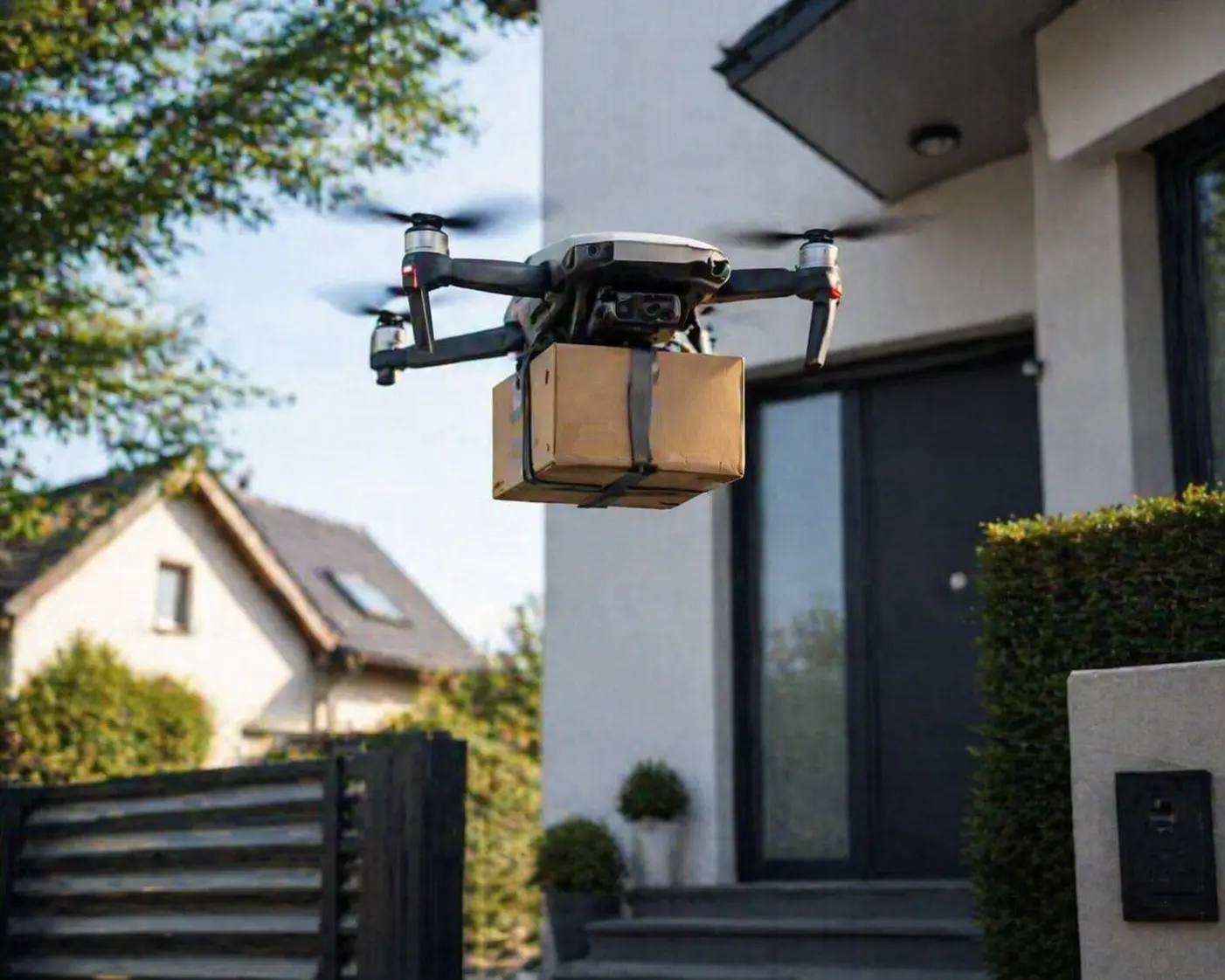
SoftBank Robotics Backs Matternet for US Drone Delivery
Matternet and SoftBank Robotics America partner to expand autonomous drone delivery in healthcare and enterprise logistics across the US.
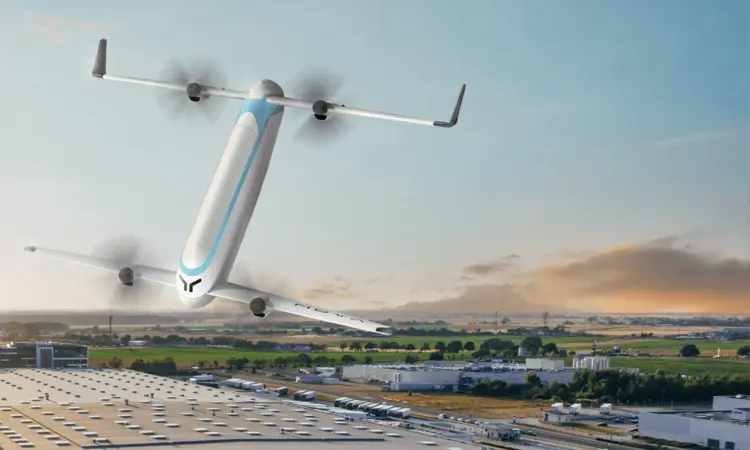
Speedbird and Moya Aero Partner on eVTOL Logistics
Speedbird Aero and Moya Aero have signed an MoU to explore combining Moya's tilt-body eVTOL with Speedbird's BVLOS drone logistics operations.
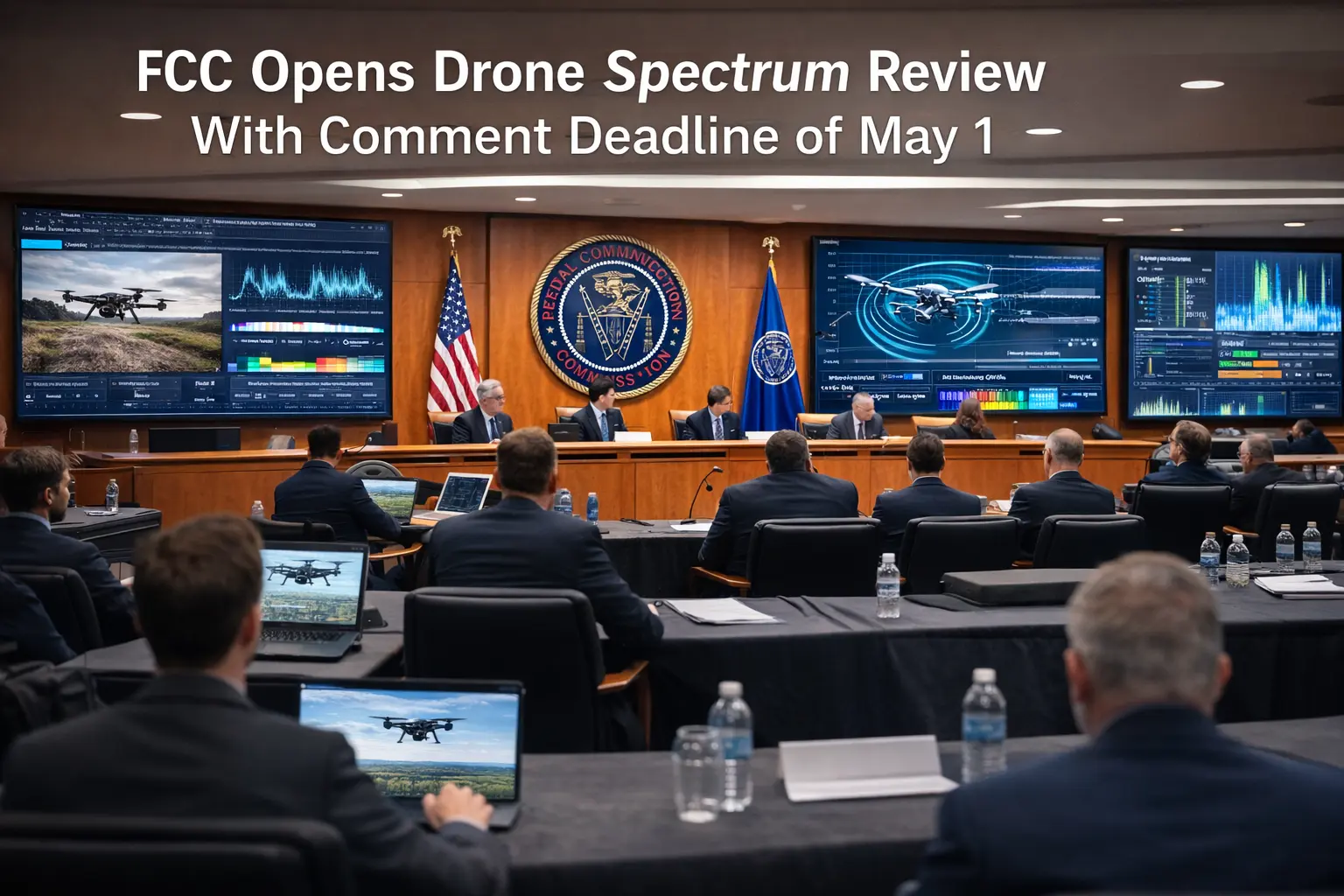
FCC Opens Drone Spectrum Review, Comments Due May 1
The FCC is asking how drones should access radio spectrum at scale, as BVLOS operations expose the limits of shared consumer frequency bands.
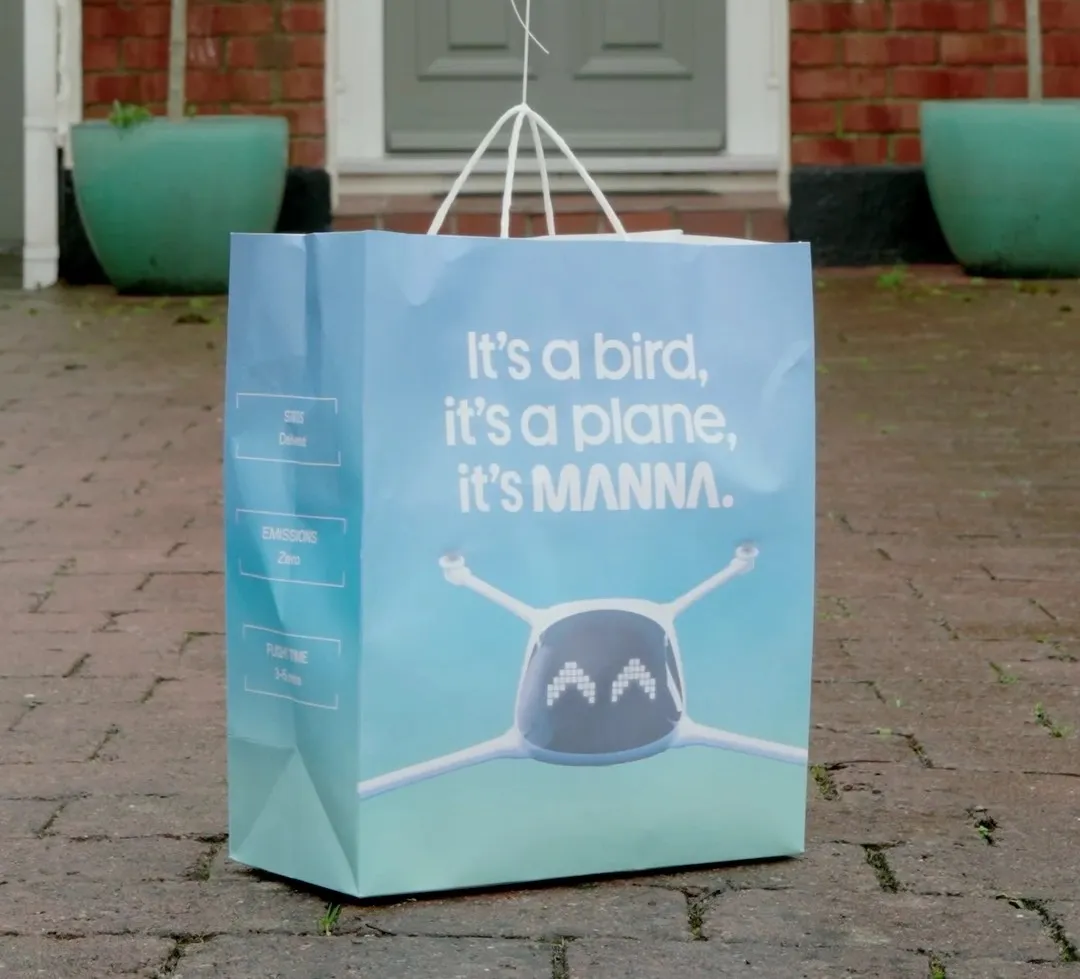
Manna Raises $50M to Expand Drone Delivery to 40 Bases
Irish drone delivery company Manna closes a $50M Series B led by ARK Invest, bringing total funding to $110M as it targets two million deliveries in 2026.
Companies
Wing
Alphabet's drone delivery subsidiary, operating commercial package delivery in the United States and internationally, largely through a partnership with Walmart.
United States
Zipline
US operator of autonomous drone delivery networks, running medical logistics in Africa and consumer delivery in the United States.
United States
Flytrex
Israeli drone delivery company running suburban restaurant delivery in Texas and North Carolina through DoorDash and Uber Eats, flying under partner Causey Aviation Unmanned's FAA air carrier certificate.
Israel
Amazon Prime Air
Amazon's drone delivery division, running autonomous last-mile delivery in the US and UK and attempting a sixfold expansion of its service area during 2026.
United States
Manna Aero
Irish drone delivery company operating commercial BVLOS delivery services in Ireland, Finland, and Texas with over 250,000 completed flights.
Ireland
Matternet
US drone delivery company whose M2 aircraft holds FAA type and production certification, now an SEC-reporting company with minimal revenue and a going-concern warning.
United States
Airbound
Indian autonomous delivery company building blended-wing-body tail-sitter cargo drones designed to weigh less than the payload they carry.
India
Anduril Industries
US defense technology company building autonomous weapons, counter-UAS, and AI command software, and manufacturing them at its own Arsenal-1 plant in Ohio.
United States
Recent Funding
Recent Contracts
defense
US Army PAE Fires, Anduril Industries
Three-year contract to supply a minimum of 3,000 surface-launched Barracuda-500M missiles with...
defense
US Army Portfolio Acquisition Executive Fires, Anduril Industries
Three-year production agreement for a minimum of 3,000 Surface-Launched Barracuda-500M cruise...
defense
U.S. Department of Defense, Anduril Industries
Contract modification adding $100.3M to upgrade the Space Surveillance Network with mesh...
defense
Powerus (Autonomous Power Corporation), Unusual Machines
Supply contract for US-manufactured components for counter-UAS interceptor systems and 10-inch...
defense
U.S. Air Forces Central, Skydio
Order for Skydio Dock and X10 autonomous drone systems to provide perimeter security at USAFCENT...