

Zipline
US operator of autonomous drone delivery networks, running medical logistics in Africa and consumer delivery in the United States.
4 articles
Zipline
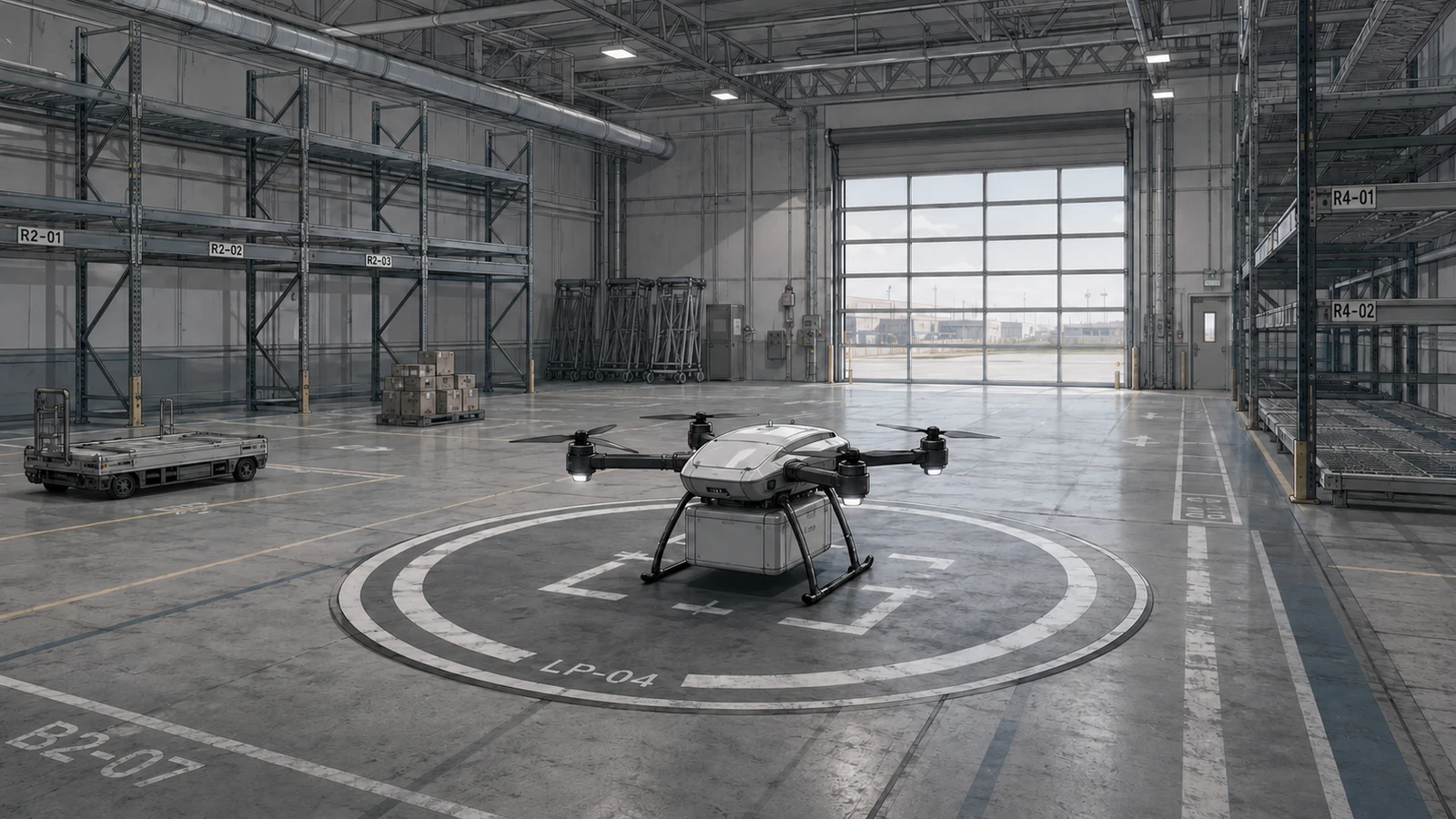
Zipline is a San Francisco company that operates autonomous drone delivery networks. It began by delivering blood and medical supplies in Rwanda and expanded across sub-Saharan Africa before moving into consumer delivery in the United States. Its aircraft fly pre-programmed routes from distribution hubs, either dropping packages by parachute or, on its newer system, lowering them on a tether.
Key Products
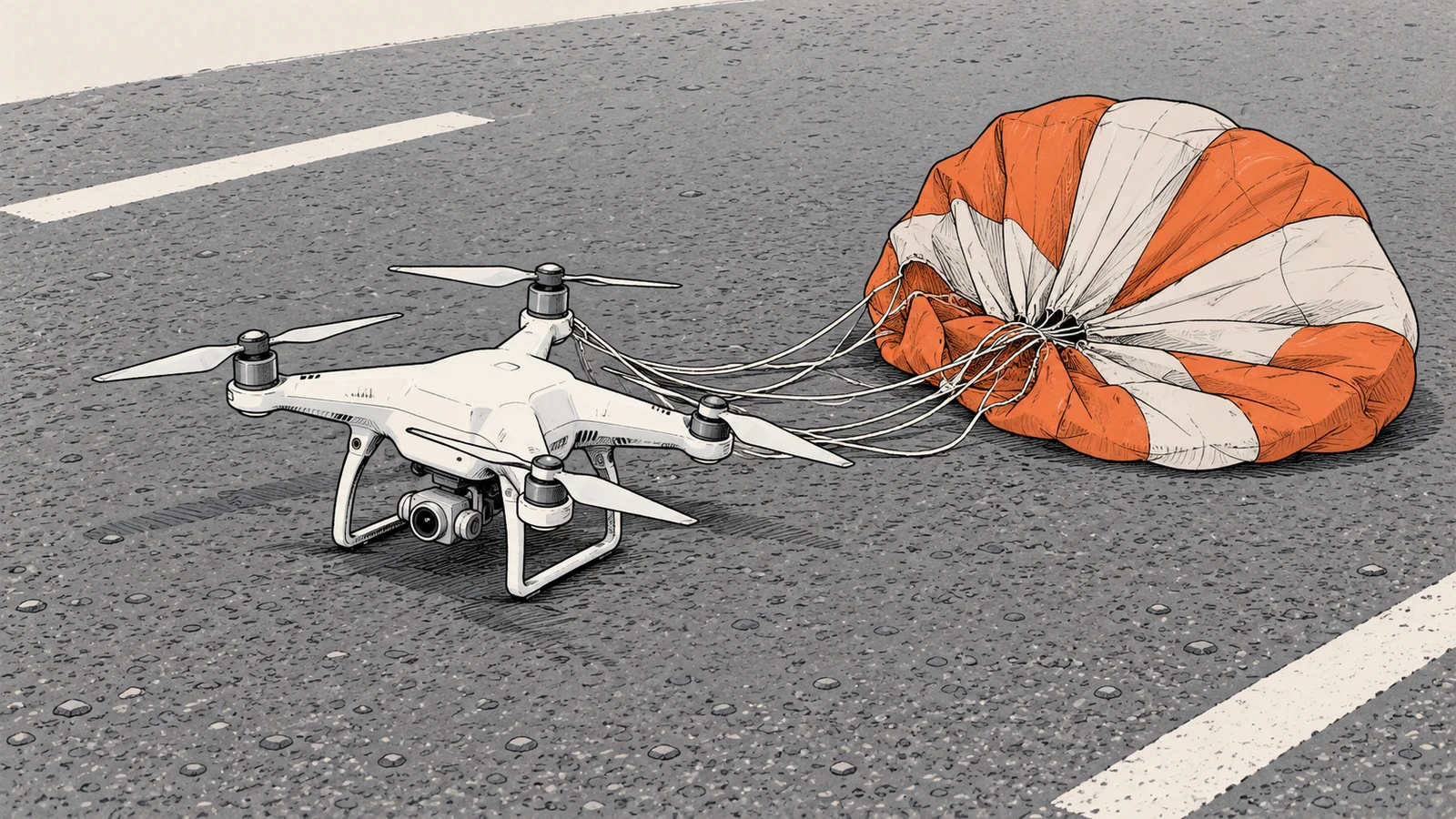
Platform 1 — The original fixed-wing aircraft, which releases packages under a biodegradable parachute. Used across Rwanda, Ghana, Nigeria, Kenya, Côte d’Ivoire and Japan for medical and commercial delivery.
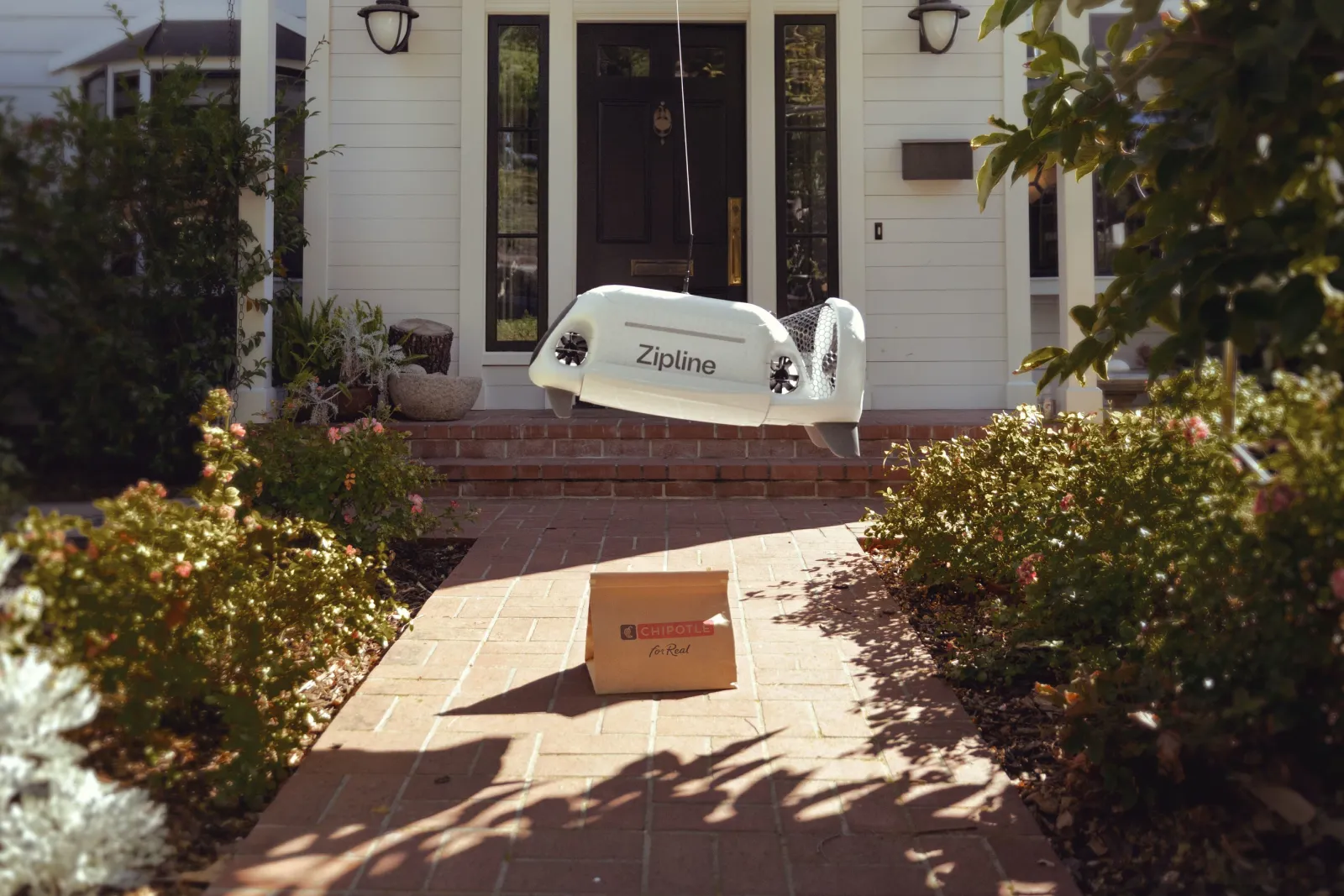
Platform 2 — The newer system, in which a small autonomous droid descends from the aircraft on a tether to place a package precisely at the delivery point. This is the platform behind the US residential expansion.
Business and Funding
Zipline is private. In January 2026 it announced more than $600 million in new funding at a valuation of $7.6 billion, and in March 2026 added a further $200 million, taking the Series H to roughly $800 million. That is a significant step up from the approximately $4.2 billion valuation of its 2023 round.
The company said in January 2026 that it had passed 2 million commercial deliveries, having reached 1 million in 2024. It said US deliveries had been growing about 15 percent week on week over the preceding seven months. Those are company figures and are not independently audited.
Its US retail partnerships include Walmart, with the first Platform 2 sites at stores in Mesquite and Waxahachie, Texas, and a limited Chipotle delivery service in the Dallas area launched in 2025. Zipline said the new funding would take it into Houston and Phoenix in early 2026 and at least four US states during the year. Revenue is not disclosed.
Why It Matters
Zipline has completed more drone deliveries than any other operator, and the gap is the point: the operational data from millions of flights in varied airspace and weather is something a competitor cannot buy or shortcut.
The African medical network proved the model works where roads do not. The harder question is the US consumer business, where the competition is a delivery van that already works, the packages are burritos rather than blood, and the economics have to survive comparison with a mature ground logistics industry. Doubling deliveries and valuation in about two years suggests the early US numbers are encouraging, but the reported figures are the company’s own and the expansion is still young.
Coverage
Topics
Guides
Guide
Drone Delivery Companies: Who's Flying What in 2026
Wing, Zipline, Amazon, Manna, Flytrex, Matternet, DroneUp — where they fly, what they deliver, and why certification was not the hard part.
Guide
Drone BVLOS Rules 2026: FAA Part 108 and EU U-Space
Part 108 is in final review and could make routine BVLOS legal in the US. Europe regulated first and is now simplifying. Where both stand.
Guide
The Best Personal Drone: What You Can Actually Buy in 2026
The best personal drones of 2026, ranked by use case — and which ones you are allowed to buy where you live, because in 2026 that is the harder question.