

Matternet
US drone delivery company whose M2 aircraft holds FAA type and production certification, now an SEC-reporting company with minimal revenue and a going-concern warning.
2 articles
Matternet
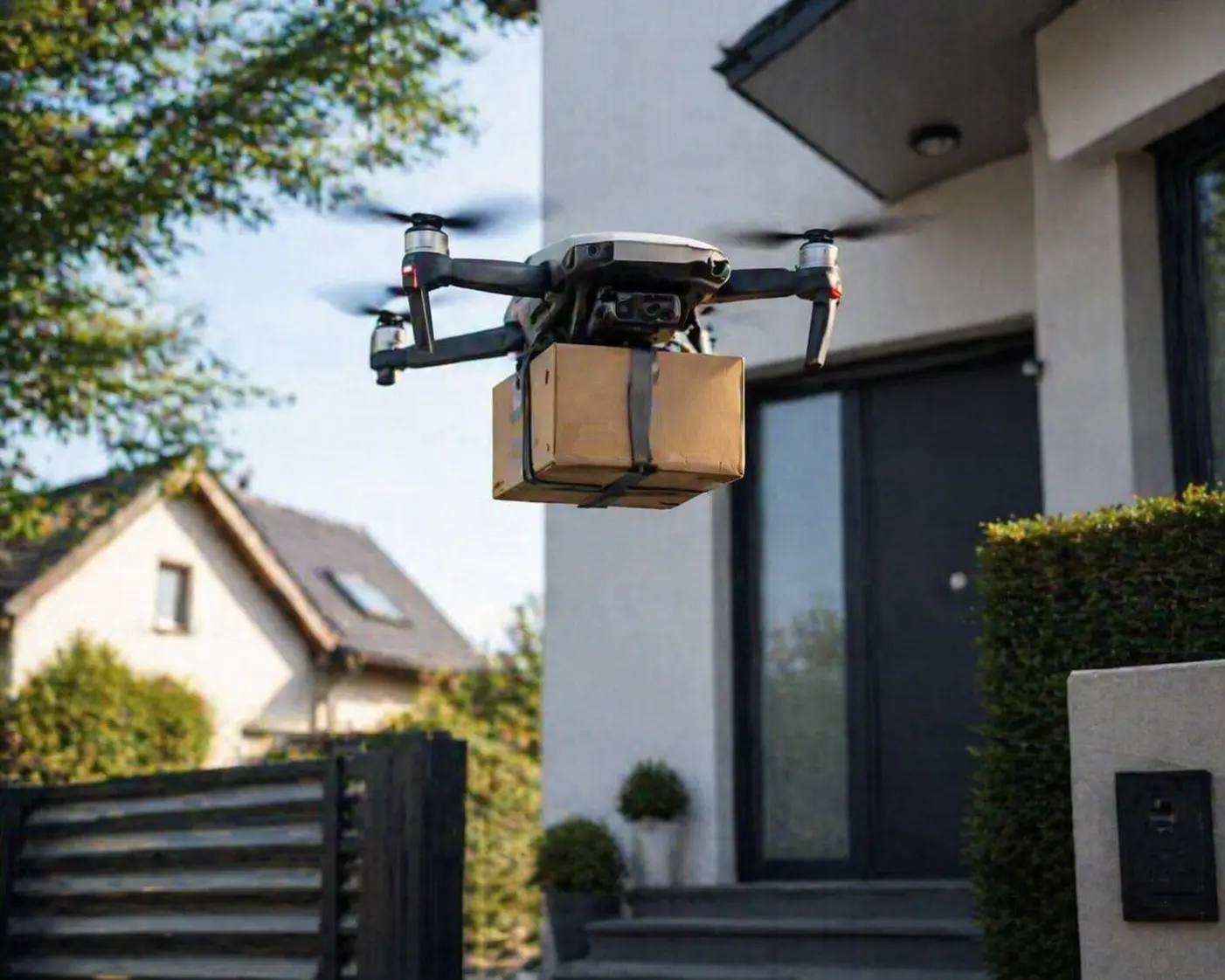
Matternet, based in Mountain View, California, operates autonomous drone delivery networks, mostly for healthcare logistics — moving samples, medications and supplies between hospitals, laboratories and pharmacies on fixed routes. It flies through certificated operating partners, including FAA Part 135 operators in the United States, rather than holding the operating certificate itself. The company says it has flown more than 60,000 commercial flights across nine countries since 2014, with no incident causing injury or third-party property damage.
Aircraft and Certification
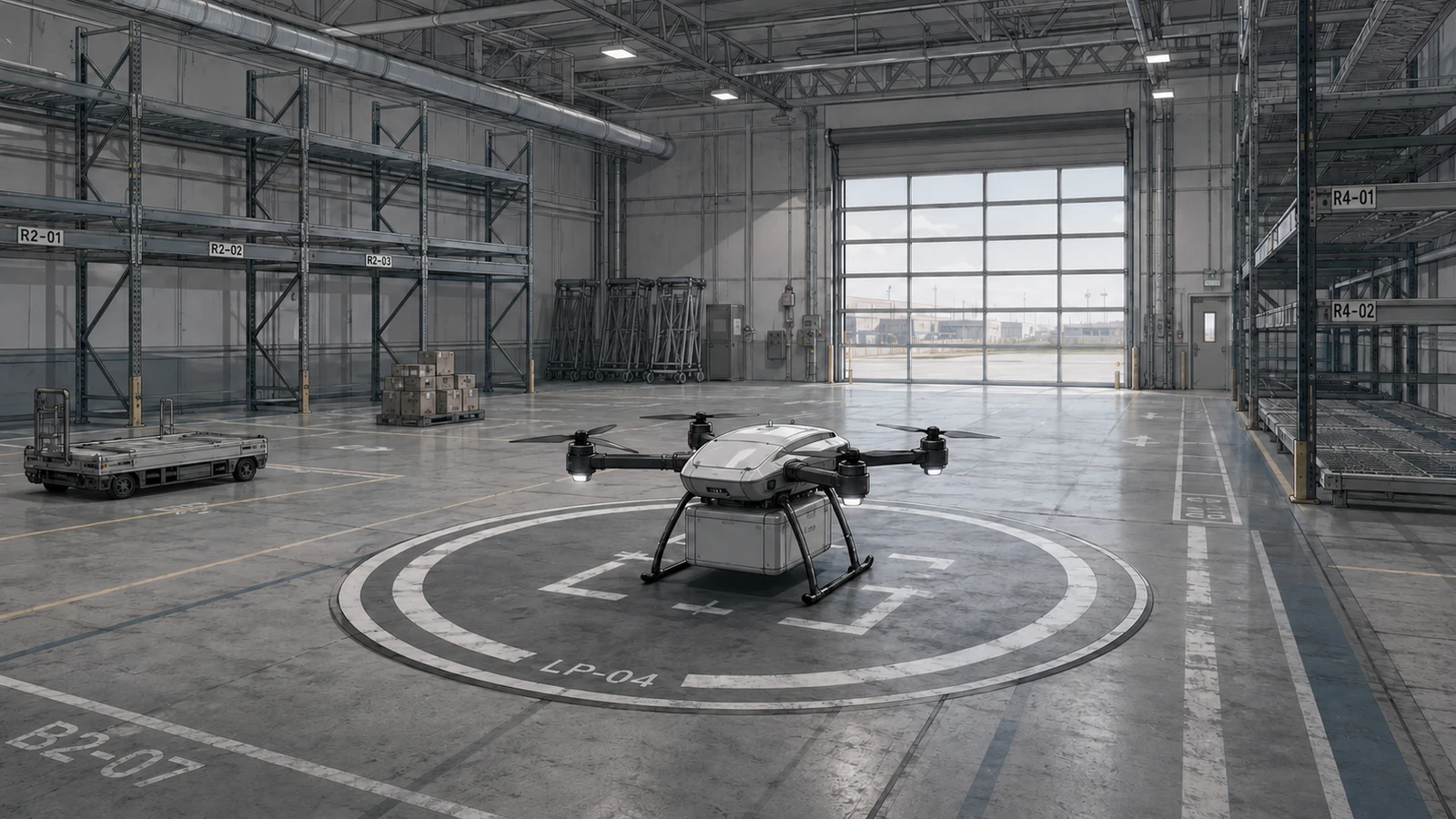
The M2 quadrotor is the company’s only certificated aircraft. The FAA type certificated it in September 2022 — the first non-military drone to hold a type certificate — and granted a production certificate in November 2022. Matternet describes it as the only delivery drone holding both. A type certification amendment followed in November 2023.
Matternet Station is an automated ground station handling landing, payload exchange and recharging; the Matternet Software Platform handles flight planning and fleet coordination.
The M3 is the declared successor, with more payload and a longer service radius. Matternet targets commercial service entry in late 2027. That is a target, not a schedule the FAA has agreed to.
Financial Position
Matternet became an SEC-reporting company in May 2026 through a reverse merger with Los Altos Ventures Corp., which was renamed Matternet, Inc., alongside a private placement led by Ed Eisler of EE Holdings and Mark Tompkins of Montrose Capital Partners. Its Form 10-Q puts that placement at 9,552,427 shares at $3.00 across two closings, for gross proceeds of $28.7 million and net proceeds of roughly $26.2 million after about $4.2 million immediately repaid promissory notes; the company itself has described the raise as $33 million. It is not listed on any exchange: its Form 10-Q cover page lists no registered securities and no trading symbol, and its registration statement states there has never been an established public trading market. The company says it intends to seek an OTCQB quotation.
The filings are where the profile changes. Revenue for the fiscal year ended 30 September 2025 was $392,739, down from $542,974 the year before. For the nine months to 30 June 2026 it was $255,564, against $261,946 a year earlier. Net loss over those nine months was $15.1 million, accumulated deficit was $145.7 million, and cash was $23.1 million. Management states that substantial doubt exists about the company’s ability to continue as a going concern, and its auditor has issued a going-concern opinion.
Why It Matters
Matternet holds a regulatory asset nobody else has, and almost no business. Type and production certification together are the FAA’s baseline for scaled commercial delivery, and clearing both took the company roughly four years. But eleven years of commercial operation have produced annual revenue under $600,000 and falling, which suggests the constraint was never only certification.
The company is now betting on the M3 and a public-market financing route it has not yet completed. With $23.1 million of cash against a $15 million nine-month loss and no trading market for its shares, the certification lead has to convert into volume quickly or it will be a credential owned by a company that ran out of time.
Coverage
Topics
Guides
Guide
Drone Delivery Companies: Who's Flying What in 2026
Wing, Zipline, Amazon, Manna, Flytrex, Matternet, DroneUp — where they fly, what they deliver, and why certification was not the hard part.
Guide
Drone BVLOS Rules 2026: FAA Part 108 and EU U-Space
Part 108 is in final review and could make routine BVLOS legal in the US. Europe regulated first and is now simplifying. Where both stand.
Guide
Best Enterprise Drones for 2026: Every Platform Compared
Tariffs of 25-100% landed on 3 September and DJI replaced its enterprise lineup. What to buy now, what compliance actually costs, and what changed.