
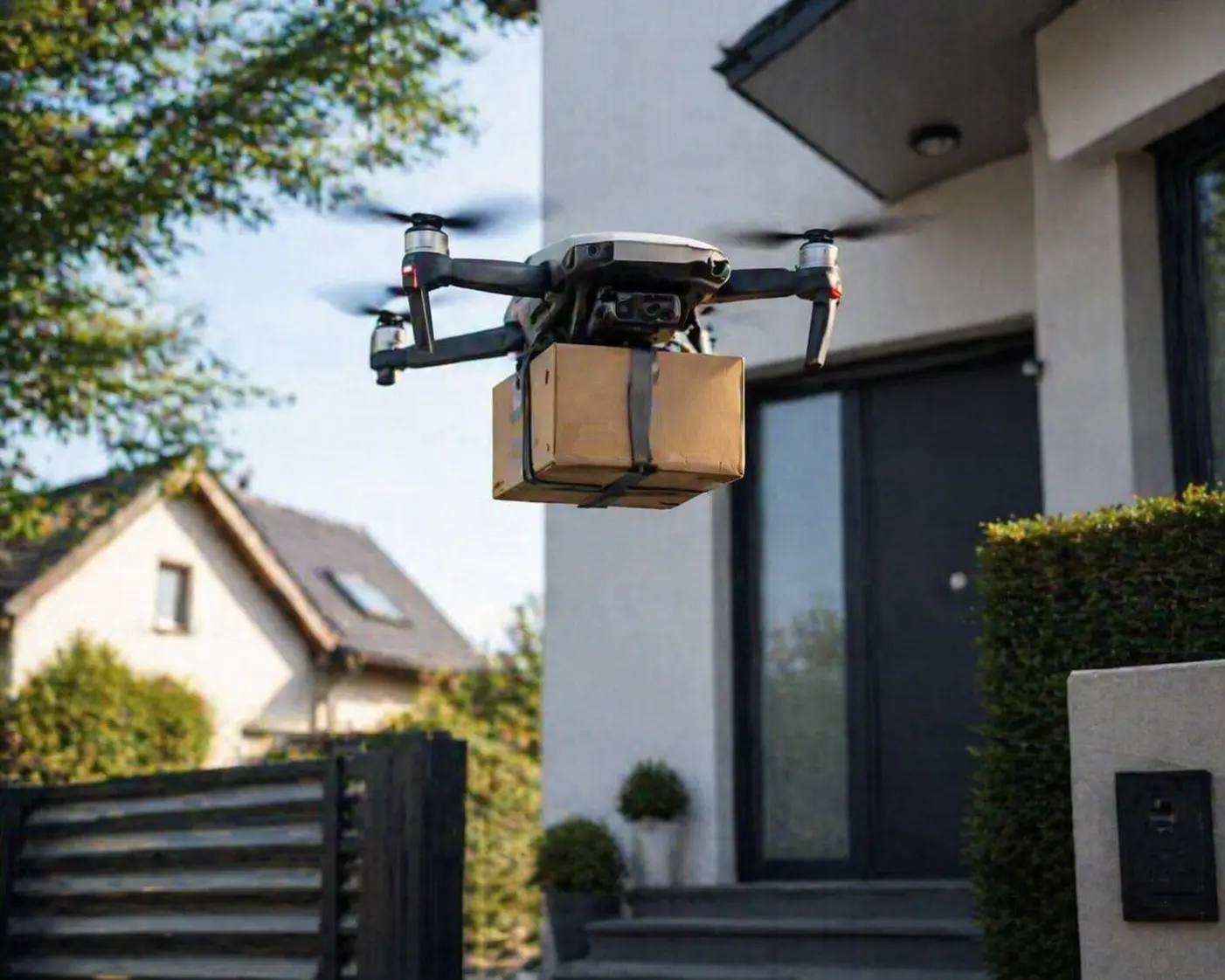
Matternet has a new distribution partner with deep pockets. SoftBank Robotics America will manufacture, install, and maintain Matternet’s ground infrastructure under a new partnership aimed at scaling autonomous drone delivery across US healthcare and enterprise logistics networks.
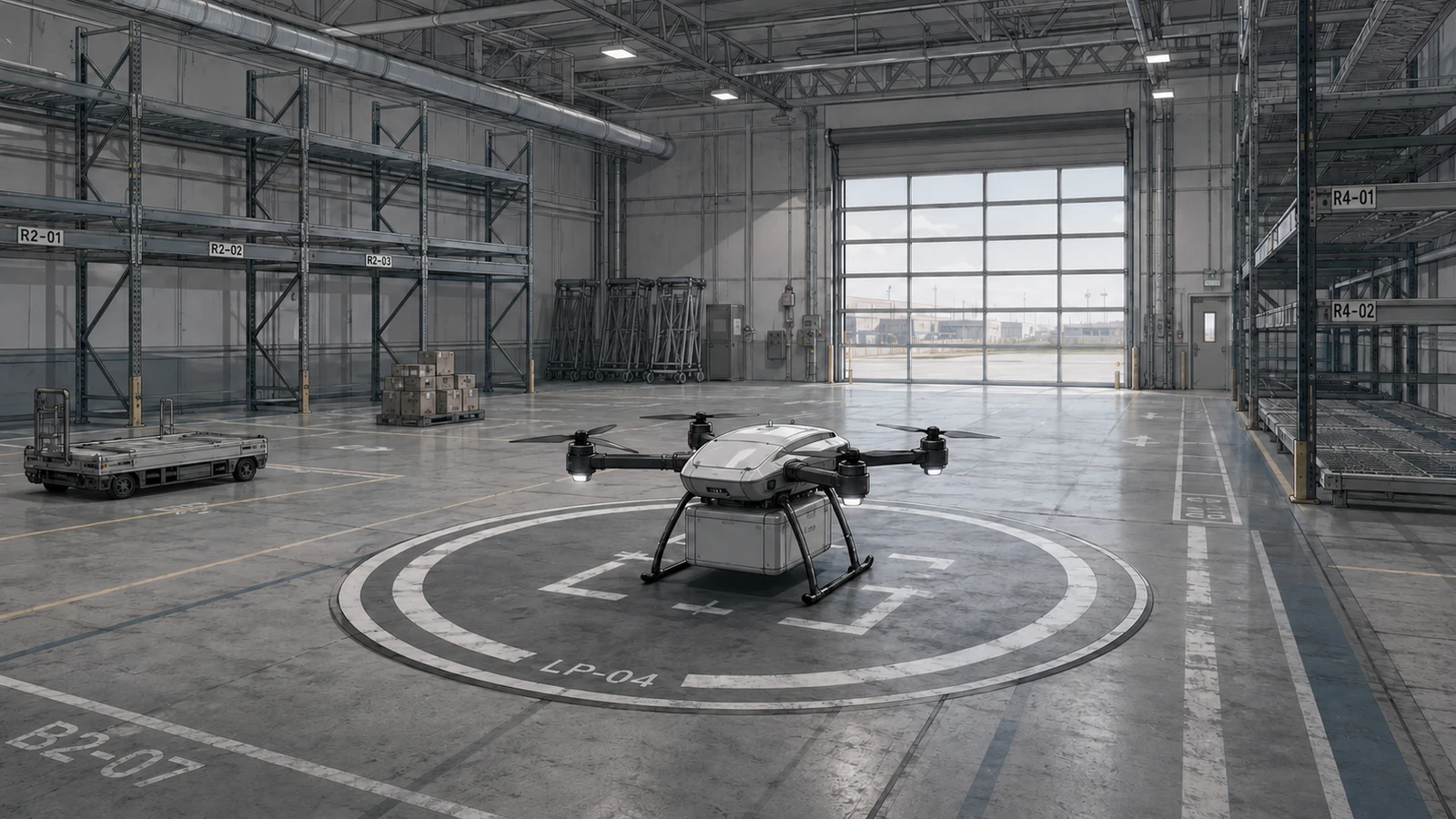
The deal is operationally specific in a way most drone partnerships aren’t. SoftBank Robotics America isn’t just lending its brand or sales relationships — it’s taking on the physical work of standing up and maintaining the ground infrastructure that makes Matternet’s flights possible. For a technology that has spent years proving itself in pilots, the limiting factor has rarely been the drone. It’s been the cost and complexity of deploying supporting infrastructure at scale across real logistics environments.
Matternet brings a regulatory foundation that few competitors can match. The company holds both FAA Type Certification and Production Certification — the first drone delivery operator to secure both. Those two certifications together signal not just that the aircraft is safe, but that the manufacturing process consistently produces aircraft to that standard. Tens of thousands of flights across US and European healthcare networks, primarily transporting medical samples between facilities, back up the regulatory credentials with operational data.
Why Healthcare Remains the Beachhead
Medical logistics is where drone delivery has consistently found its strongest commercial case. The value proposition is straightforward: a drone carrying a blood sample or biopsy between hospital campuses is faster than ground transport, operates independently of traffic, and in time-sensitive diagnostic situations, speed directly affects patient outcomes. The customer — a hospital system — has both the budget and the motivation to pay for reliability.
Matternet built its track record here deliberately. Healthcare deployments are operationally demanding but geographically contained, which makes them manageable for a company proving out infrastructure at scale. The SoftBank Robotics partnership is the mechanism for taking what works in controlled hospital campus environments and applying it to broader enterprise logistics.
The Infrastructure Problem Is the Hard Part
Matternet CEO Andreas Raptopoulos has framed the company’s ambition around what he calls “physical AI” — autonomous systems that don’t just process data but move physical goods through the world reliably. The framing is useful because it identifies where the real difficulty lies. The drone technology works. The regulatory path, while long, is navigable. The unsolved problem is deploying consistent, maintainable infrastructure across the fragmented physical environments of real supply chains.
SoftBank Robotics America’s contribution is exactly that operational capacity. Whether the partnership delivers on its stated goal depends on execution — how quickly joint deployments can be stood up, what enterprise customers commit, and whether the healthcare beachhead translates into the broader logistics market both companies are targeting.
The US drone delivery sector has a long list of partnerships that promised scale and delivered pilots. This one has the infrastructure commitment and regulatory foundation to be different. The order intake over the next 12 months will say more than the announcement.