
CRG Defense
Ohio-based defense research and manufacturing company, formerly Cornerstone Research Group, making battery cells and packs, drone payloads, electric motors and advanced materials for US defense programmes.
1 article
CRG Defense
CRG Defense is the operating name of Cornerstone Research Group, Inc., a privately held defense company in Miamisburg, Ohio, in the Dayton aerospace cluster. It has been working on aerospace, defense and industrial technology since 1997, and its old corporate domain now redirects to the CRG Defense site — the rebrand is complete rather than in progress.
The company is not a supply-chain intermediary. It is an R&D house that has moved downstream into manufacturing: it takes government-funded research, much of it through SBIR programmes, and turns it into hardware it builds at its own US facilities. It organises that work into four divisions it calls Systems, Power, Materiel and Innovation.
What it makes
Batteries — cells and packs for uncrewed systems and other mission-critical defense applications, which is the line driving its current supply agreements. Its research side works on lithium-sulfur, lithium-metal and proprietary lithium-ion chemistries.
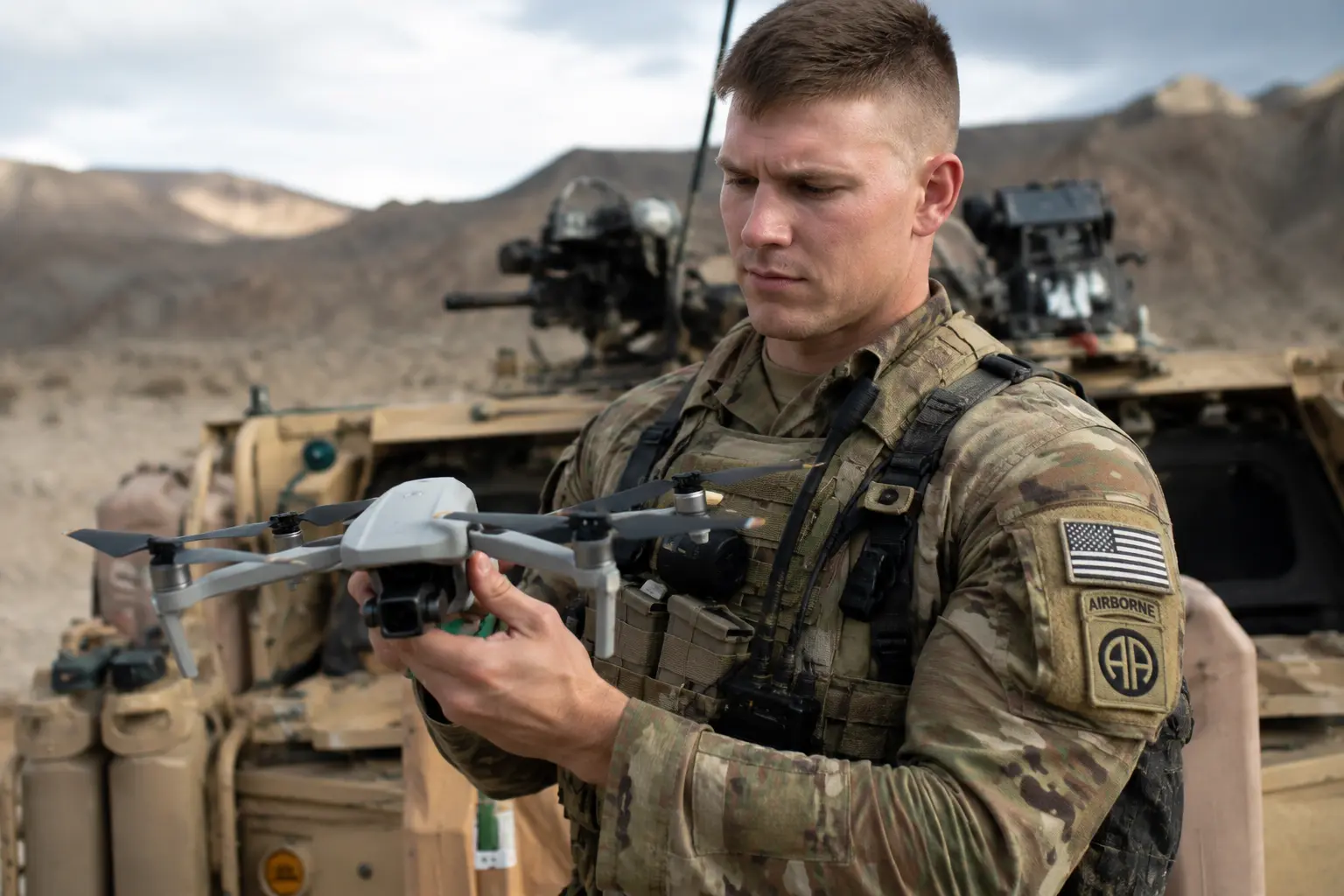
AeroVox — a drone payload under 2 kg that provides two-way voice communication from the air, aimed at search and rescue, crisis negotiation and emergency response. The company says it mounts on any platform with a 2 kg payload capacity and deploys in under five minutes. It was demonstrated at the UTAC 2025 exercise in Perry, Georgia and has been shown with law enforcement in Cochise County, Arizona.
Electric motors, additive manufacturing and advanced materials — including high-temperature SiC/SiC composites the company positions for hypersonic systems. Historically CRG was best known for shape-memory polymer research funded through DARPA and related SBIR work.
Business position
CRG Defense is private and publishes no financials, so revenue, headcount and backlog are not verifiable from public sources.
Its most consequential recent move is a seven-year agreement with 6K Energy announced on 28 April 2026, covering domestic cathode active material. Under the deal 6K supplies single-crystal NMC811 cathode from its North Andover, Massachusetts plant, with additional capacity arriving in late 2026, and later from 6K’s PlusCAM facility in Jackson, Tennessee, which is expected online in early 2028. The agreement includes a structured quarterly purchase plan. Patrick Hood is chief executive.
The timing is the point. Section 842 of the FY2026 National Defense Authorization Act bars the Department of War from procuring advanced batteries, cells and key components owned by, sourced from or produced by foreign entities of concern. Its effective dates are phased, beginning 1 January 2028 for new acquisition programmes, with standard batteries following in 2029 and existing programmes in 2031. The Tennessee cathode plant is scheduled to come online against that first date.
Why it matters
Battery chemistry is the part of the drone supply chain where domestic substitution is hardest, because the constraint sits upstream in cathode material rather than in cell assembly. Locking in compliant cathode supply years before the statutory deadline is a genuine advantage over manufacturers still buying foreign material, and it is a harder position to replicate than assembling drones onshore.
The caveats are that the advantage is contingent and the company is small. The supply agreement depends on 6K bringing Tennessee capacity online on schedule, and being NDAA-compliant secures eligibility to bid, not the contracts themselves. With no published financials, there is no way to judge from outside whether CRG Defense can manufacture at the volumes the deadline is about to create demand for.