
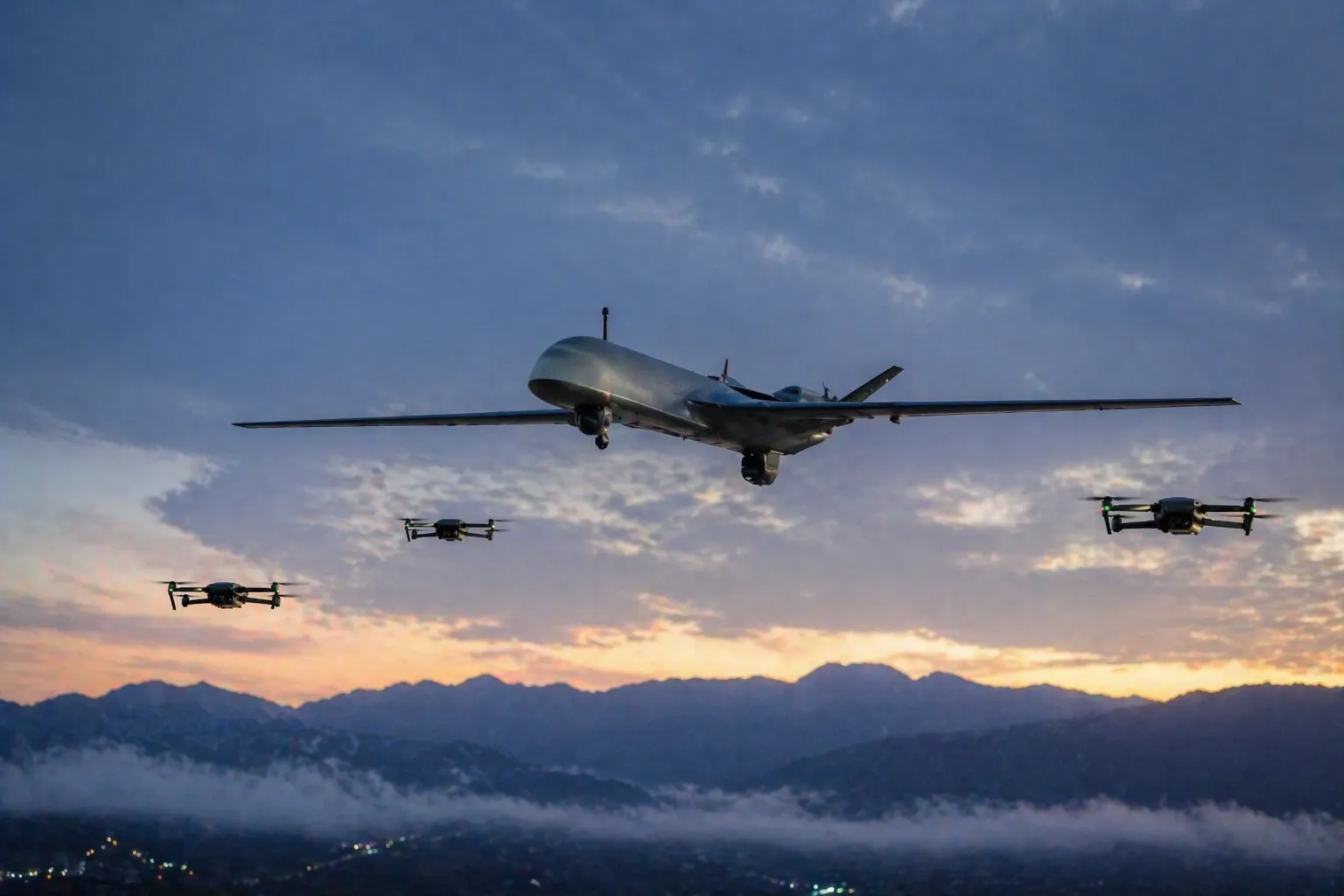
The Pentagon’s fiscal 2027 budget request contains a number so large it reads like a typo. The Departmental Autonomous Warfighting Group — established less than a year ago with a $225 million budget — has been requested $54.6 billion for the coming fiscal year. That is a 24,000 percent increase in a single budget cycle. It exceeds the entire Marine Corps budget request of $52.8 billion. It accounts for nearly 15 percent of the total reconciliation package. And it is the clearest signal yet that the United States has decided, at the highest levels of institutional commitment, that the future of warfare is autonomous.
This is not a procurement decision. It is a doctrine decision dressed in budget language.
What DAWG actually is — and what it’s becoming
The Departmental Autonomous Warfighting Group was stood up quietly in late 2025 with a mandate to coordinate drone, aircraft, and vessel development across service branches. The framing was modest — a coordination body to reduce redundancy and align technical standards. The FY2027 request transforms it into something categorically different.
Internal documents indicate the intent to elevate DAWG into a unified combatant command — a joint entity with authority over autonomous systems operations across all warfighting domains. The precedent is deliberate. Space Command was established in 2019 when fragmented service approaches to space operations created dangerous capability gaps. Cyber Command was elevated in 2017 for the same reason. Each time, the Pentagon’s response to a new domain was to consolidate authority into a single command with unified doctrine, unified procurement, and unified operational control.
DAWG is that move for autonomous systems. The implication is that autonomous warfare is no longer a capability subset of existing domains. It is a domain.
The lessons Ukraine forced the Pentagon to learn
The budget request did not emerge from a think tank. It emerged from watching two years of industrial-scale drone warfare in Ukraine and, more recently, the opening weeks of the U.S.-Israel strikes on Iran and the subsequent Iranian counterattack on American bases across the Middle East.
Chief Technology Officer Emil Michael put it directly: these conflicts routinely involve thousands of low-cost systems engaging each other in highly contested environments. The hardware is expendable. The software that coordinates it is not.
This realization has restructured the Pentagon’s entire acquisition logic. The Replicator program — launched with an ambitious goal of deploying hundreds of thousands of one-way attack drones by 2028 — hit immediate walls around hardware reliability and supply chain bottlenecks. The lesson the Pentagon drew was not “build better hardware faster.” It was “hardware is secondary to the AI that drives it.”
That is a profound shift. American defense procurement has historically been organized around platforms — the F-35, the carrier, the Abrams. The $54.6 billion DAWG request is an institutional declaration that the platform era is over. The software stack is the strategic asset. The drone is the bullet.
Who wins the $54.6 billion
A unified autonomous warfighting command with $54.6 billion in annual funding needs vendors. The roster of companies positioned to capture meaningful portions of that budget is not large, and most of them are names FlightBrief covers regularly.
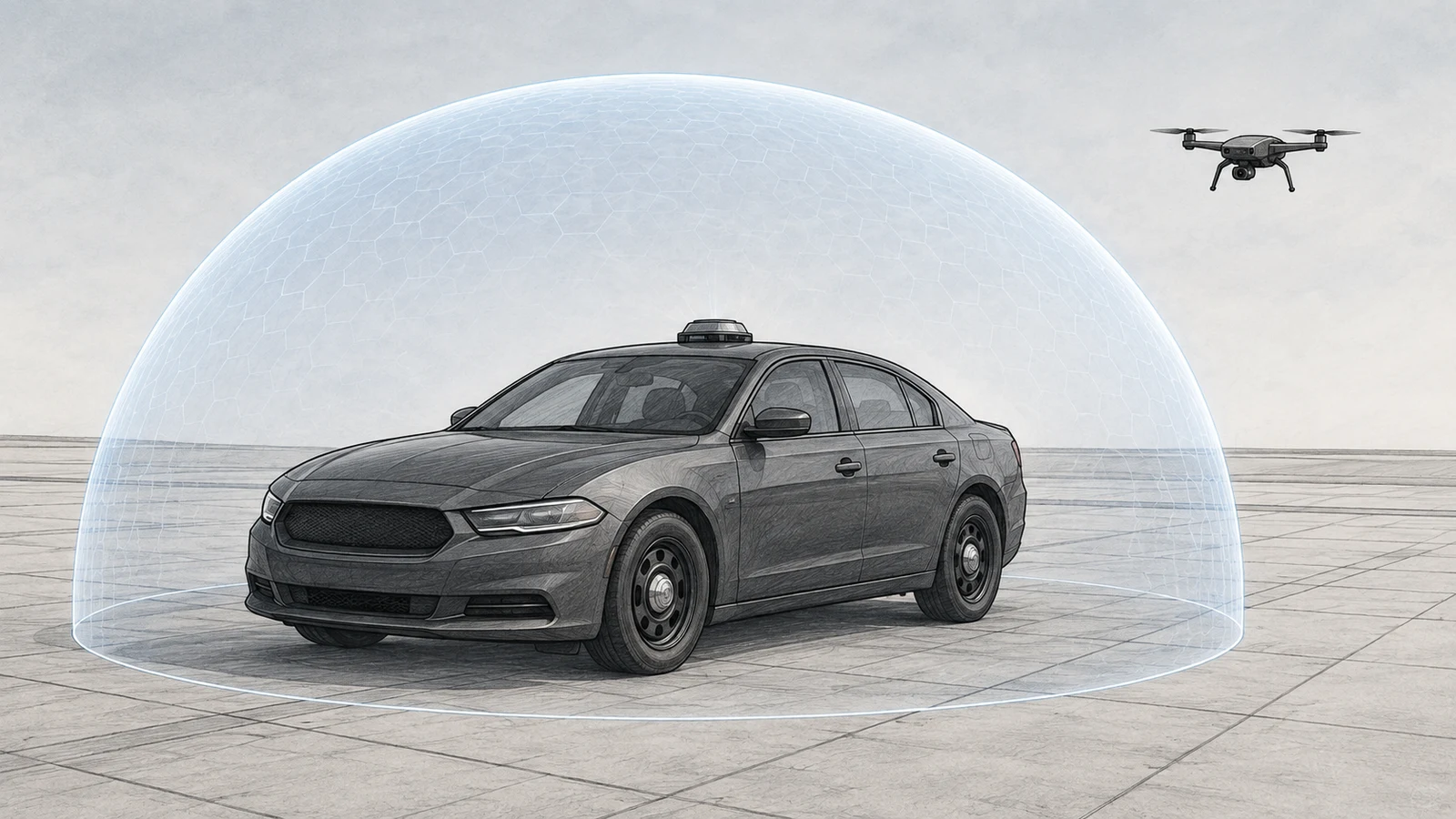
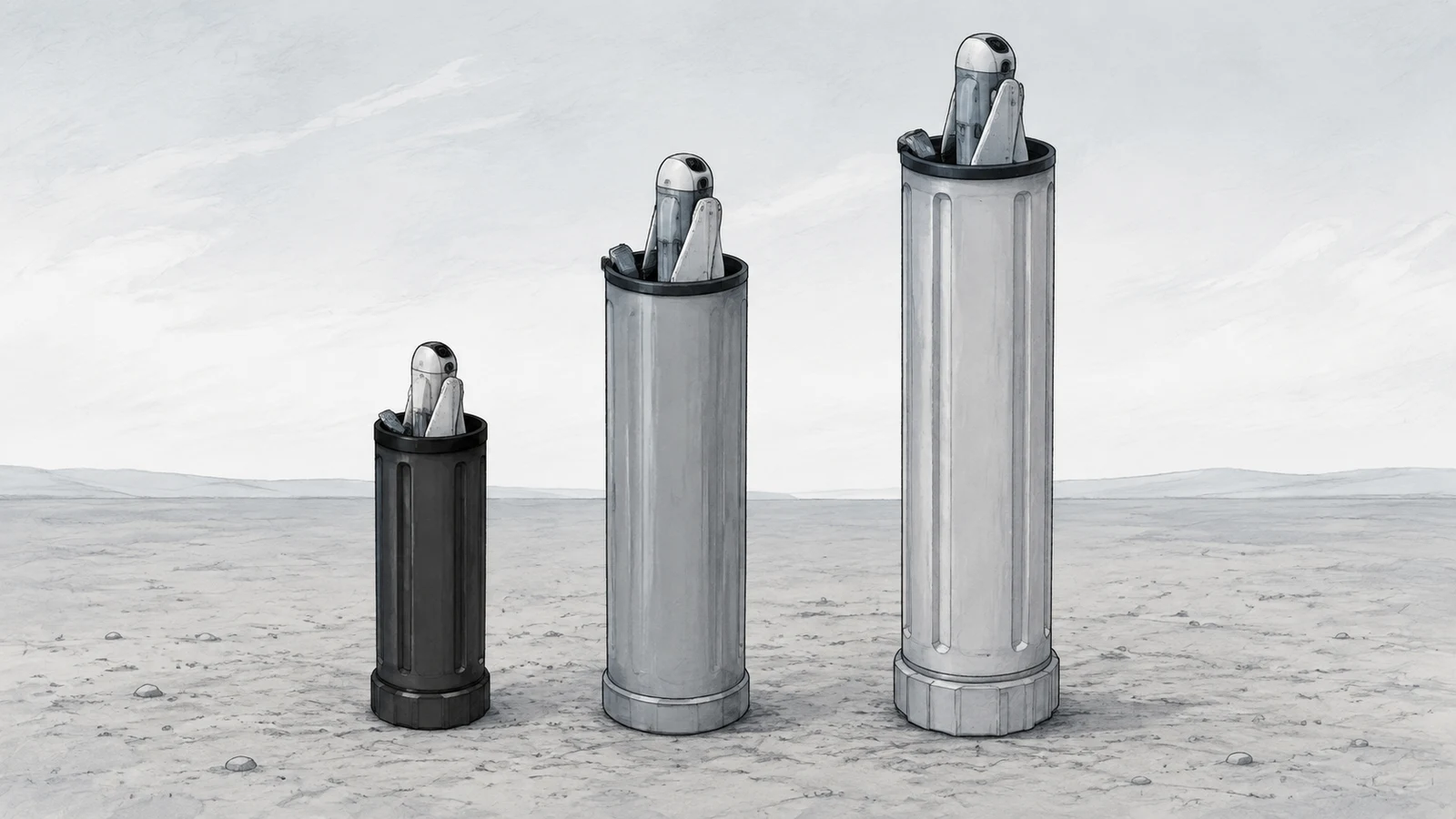
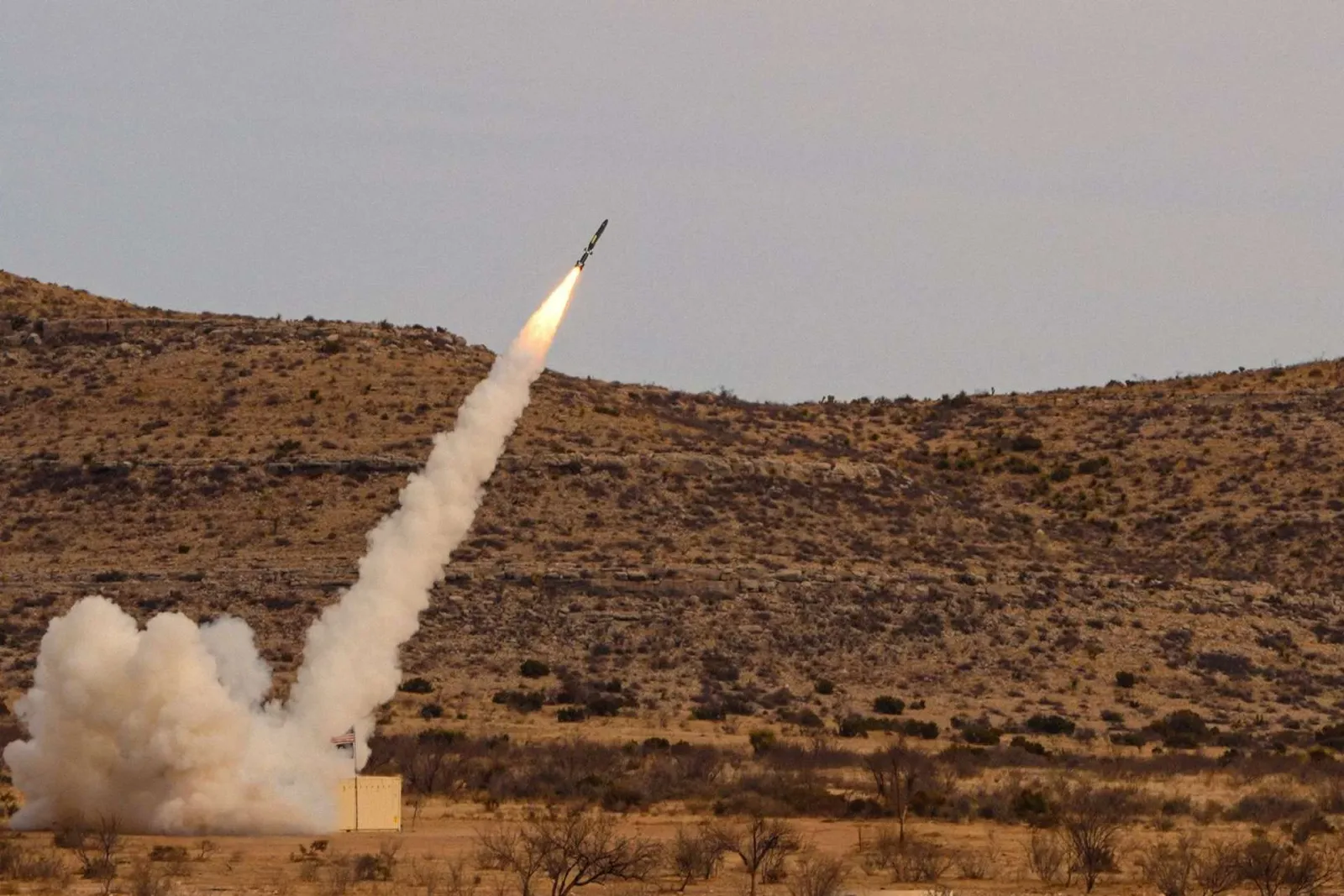
Anduril is the most obvious beneficiary. The company’s entire architecture — Lattice as the AI backbone, Fury and Roadrunner as the attritable platforms, the Ghost as the ISR layer — maps directly onto what a unified autonomous command needs. Anduril has been building toward exactly this procurement environment since its founding. The DAWG budget is the market Anduril was designed for.
Shield AI’s Hivemind autonomy stack, already deployed on the V-BAT and integrated with Northrop Grumman platforms, is positioned as the software layer for contested environments where GPS and communications are degraded. The DAWG mandate — autonomous systems that operate across all domains in denied environments — is Hivemind’s exact use case.
Kratos has spent years building high-performance attritable drones — the UTAP-22, the XQ-58 Valkyrie — specifically for the scenario where mass and expendability matter more than unit cost minimization. A command that thinks in swarms rather than platforms is Kratos’s customer.
AeroVironment sits in a different position: its Switchblade loitering munitions and tactical ISR systems are already in operational use at scale. The DAWG budget means sustained procurement volume rather than a new market entry — AeroVironment is already inside the tent.
Palantir’s AI Platform is the connective tissue. Data integration, targeting workflows, mission planning — the software infrastructure for a unified autonomous command runs on exactly what Palantir has been building for DoD clients for two decades.
The primes — Boeing, Northrop, Lockheed — will capture portions through existing programs and teaming arrangements, but the structural advantage in this budget cycle belongs to the software-first companies. A command organized around AI rather than platforms will not hand the AI contract to a company whose core competency is manufacturing airframes.
The friction points that could slow everything down
The $54.6 billion request does not guarantee $54.6 billion in spending. Three significant friction points stand between the request and execution.
Congress is skeptical. Armed Services Committee leaders including Senator Roger Wicker and Representative Mike Rogers have signaled concern about making structural shifts of this magnitude without clear ethical and operational oversight frameworks. Representative Rob Wittman has been more direct: speed cannot come at the cost of accountability. A unified autonomous warfighting command requires NDAA authorization, and that authorization will come with conditions.
The AI supply chain is contested. The Pentagon’s requirement for flexible, decisive AI models in high-stakes environments has already produced open conflict with at least one major AI company over the limits of what their models will do in a combat context. This is not an abstract policy dispute — it is a procurement bottleneck. If the software stack that runs autonomous weapons cannot be sourced from the most capable domestic AI providers, the Pentagon either builds its own or accepts a capability ceiling.
International pressure is mounting. 156 nations supported a UN General Assembly resolution expressing concern over autonomous weapons risks. The United States declined to support it. That position is defensible on strategic grounds, but it narrows the coalition of allies willing to interoperate with fully autonomous American systems — a meaningful constraint for a command designed to operate jointly.
Current U.S. policy requires senior official approval for lethal autonomous weapons employment. Critics argue that policy is a temporary guardrail that machine warfare timelines will eventually make unenforceable. The ethical and legal architecture for a $54.6 billion autonomous warfighting command does not yet exist at the scale the budget implies.
What this means for the industry
The FY2027 budget request is not the beginning of the autonomous warfare era — Ukraine, Iran, and a dozen smaller conflicts already established that. It is the moment the United States government decided to stop treating autonomous systems as a capability subset and start treating them as the primary organizing principle of American military power.
For the drone and autonomous systems industry, that distinction matters enormously. A $54.6 billion unified command is a sustained procurement environment, not a program of record. It creates persistent demand for hardware, software, autonomy stacks, counter-autonomy systems, and the logistics infrastructure to sustain attritable systems at operational scale. It also creates a clear hierarchy: software-first companies with proven autonomy capabilities are at the top of the vendor stack, and hardware manufacturers who cannot demonstrate an AI integration story are increasingly peripheral.
The window for companies to establish themselves inside that hierarchy is not indefinite. A unified command will consolidate its vendor relationships quickly, and the companies that are not in the tent when doctrine is written will find the door harder to open once it is.
Congress will debate the request. The number will likely change. But the direction it represents — autonomous systems as the primary domain, software as the primary asset, and a unified command to coordinate both — is already locked in. The $54.6 billion is the headline. The restructuring of American military doctrine underneath it is the story.