
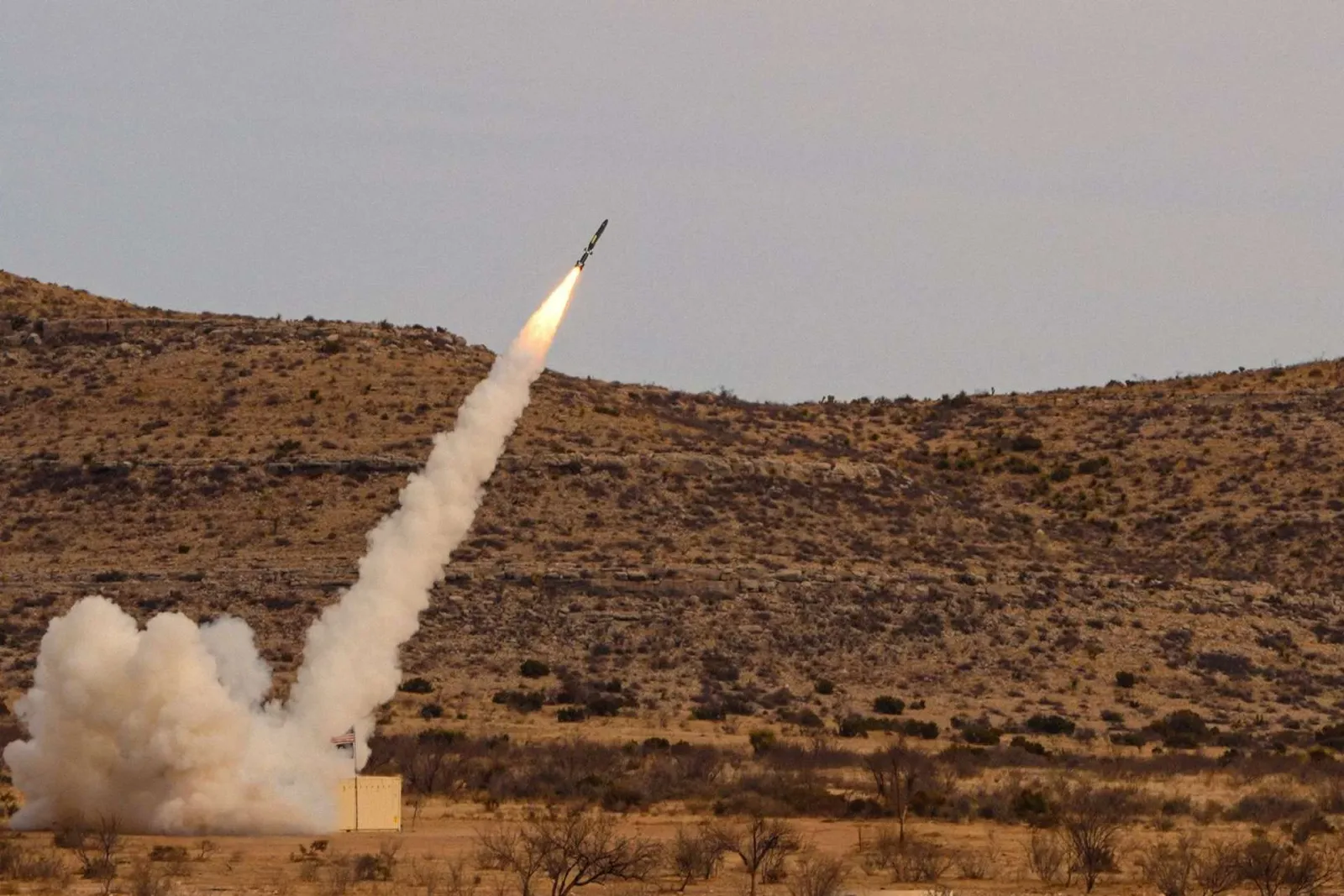
The US Army’s new Barracuda-500M contract is not primarily about Anduril’s valuation or the $5 billion funding round announced the same week. It is about a specific operational problem: the Army needs a ground-launched cruise missile it can build in volume, move without a visible signature, and fire from dispersed positions across a theater where Chinese missile inventories make fixed bases a liability.
The Surface-Launched Barracuda-500M covers at least 3,000 missiles and more than 60 containerized launchers over three years, with first deliveries in 2027. Test buys across all four vendors in the DoD’s Low-Cost Containerized Missiles program — Anduril, CoAspire, Leidos, and Zone 5 — are scheduled to begin in June 2026, followed by Military Utility Assessments before firm-fixed-price production contracts for 2027 through 2029.
What the Barracuda-500M actually is
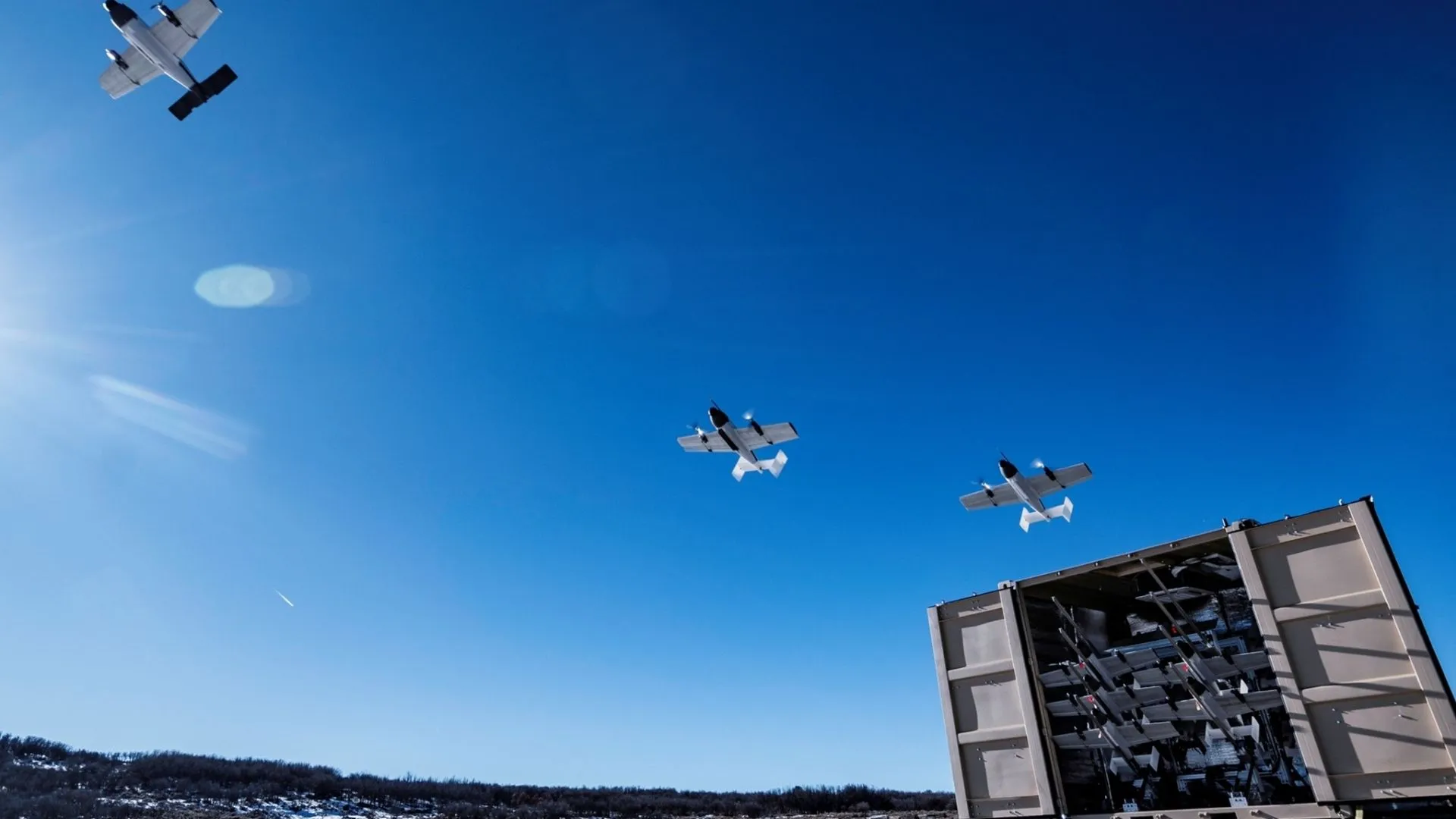
The weapon is a subsonic, turbojet-powered cruise missile with a range exceeding 500 nautical miles — approximately 926 kilometers — carrying a roughly 100-pound warhead. That payload is significantly smaller than the approximately 1,000-pound warheads on Tomahawk, JASSM-ER, or LRASM, which means the Barracuda-500M is not a substitute for those weapons. It is designed for a different target set: command posts, air defense radars, mobile missile launchers, fuel storage, ammunition depots, electronic warfare systems, and exposed maritime or coastal targets. Hardened or deeply buried facilities require heavier effects.
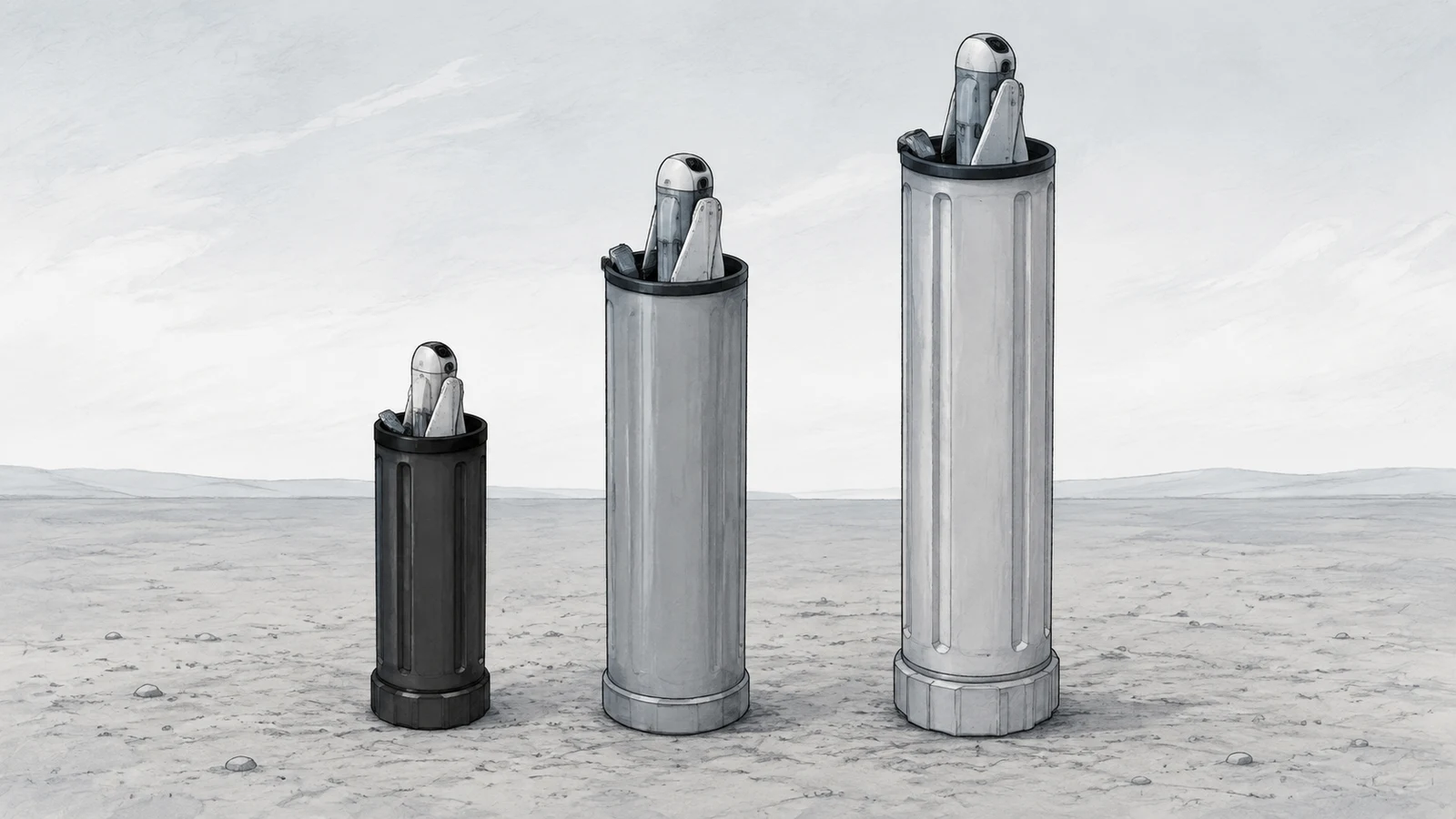
The launcher is as important as the missile. Each firing unit fits inside a standard 20-foot ISO container holding up to 16 rounds. Missiles can be loaded at a storage facility and transported through ordinary logistics channels — road, ship, or air — before emplacement. A single container-launched battery can be dispersed across an island node, an allied port, or an expeditionary logistics area and repositioned without the radar signature of a conventional missile battery. In the Pacific, that dispersion is the point: an adversary must search for many small launch nodes rather than engage a few fixed firing positions.
Where it fits in the Army fires portfolio
The Army’s existing fires architecture runs from GMLRS at shorter ranges through ATACMS and Precision Strike Missile into Mid-Range Capability and hypersonic weapons. A 500-nautical-mile ground-launched cruise missile fills the gap between rocket artillery and high-end standoff weapons, covering targets beyond the reach of most rocket systems while preserving scarce premium missiles for hardened or heavily defended objectives.
Cruise missiles at this range also complicate air defense planning in ways rocket artillery cannot. Fired from non-linear axes, the Barracuda-500M can approach from directions that force an adversary to divide radar coverage and interceptor allocation. Coordinated salvos across multiple container launchers impose a tracking and intercept problem that a defender optimized for a fixed threat axis is not designed to handle.
The production argument
Anduril designed the Barracuda family for volume manufacturing: roughly 70 percent commercially available components, assembly achievable in approximately 30 hours with common hand tools. The company is building dedicated production capacity in Southern California and has announced Arsenal-1, a planned 5-million-square-foot manufacturing facility near Columbus, Ohio, intended for larger-scale output.
The production logic matters because US munitions policy has shifted. CSIS assessed in May 2026 that the United States would struggle to sustain a protracted conflict with China due to shortages in long-range munitions, noting production timelines of three to four years for weapons including SM-6, JASSM, and Tomahawk. A separate 2023 CSIS assessment found that US precision munitions could run out within days in a major Taiwan Strait scenario.
Magazine depth is a combat variable, not an administrative one. A force rationing scarce high-end missiles cannot engage targets at the tempo a high-intensity conflict demands. The Barracuda-500M does not replace Tomahawk or JASSM-ER — it reduces demand on them by covering medium-value targets that do not require a $2 million missile to destroy.