
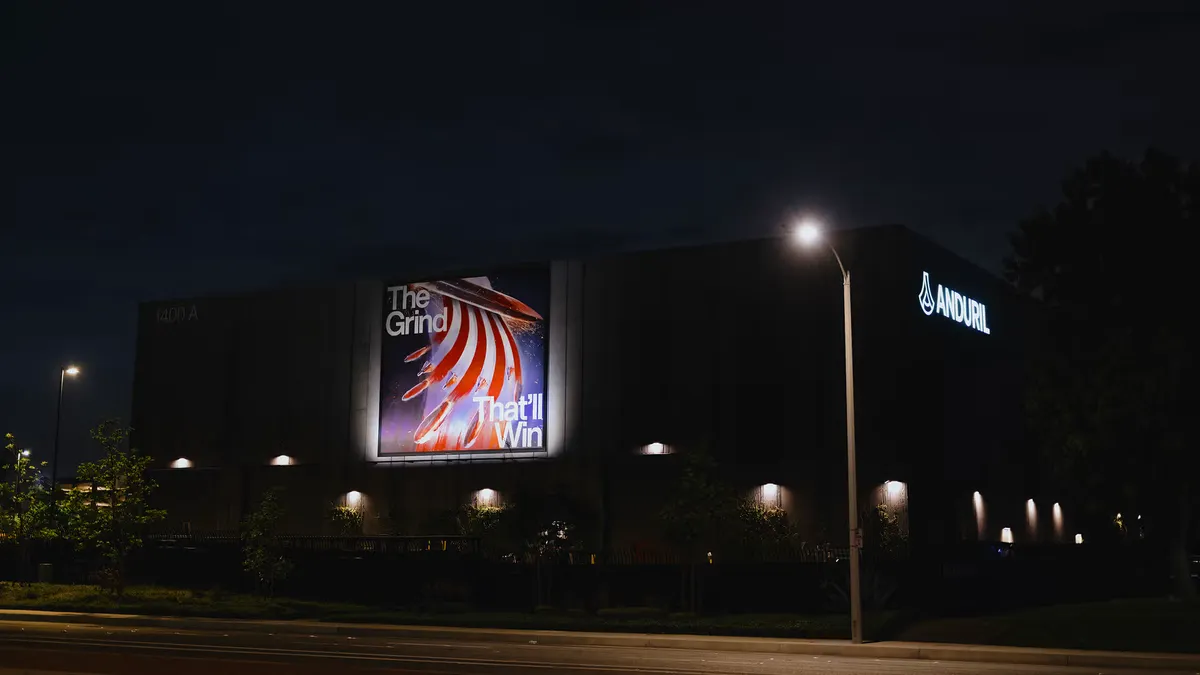
Anduril Industries raised $5 billion in a Series H round on Wednesday, pushing its valuation to $61 billion — more than double the $28 billion it carried after its 2024 Series F. The round was led by Thrive Capital and Andreessen Horowitz, both returning investors, and will fund manufacturing capacity expansion, R&D, and infrastructure buildout.
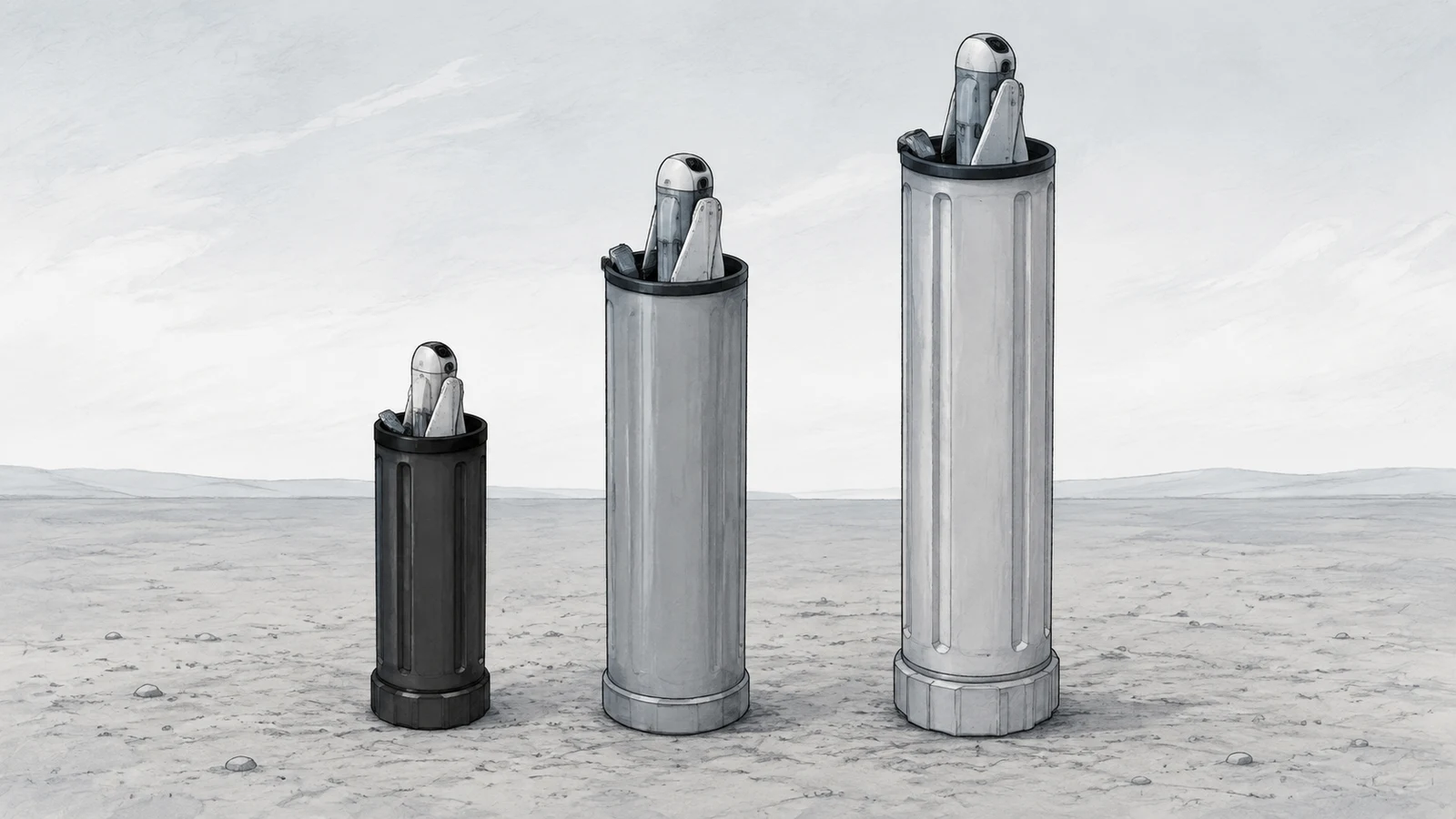
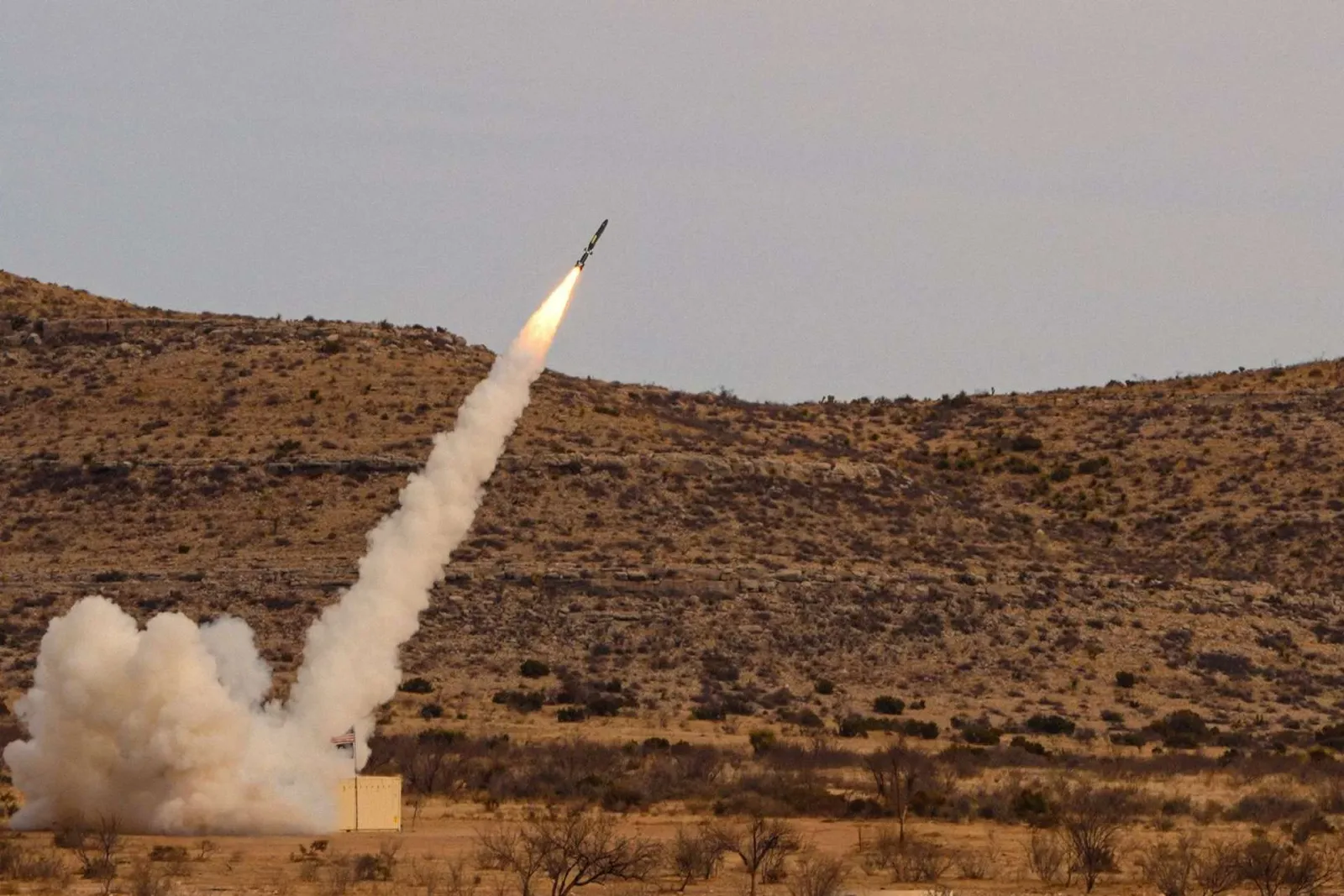
The funding announcement came alongside a separate contract award: Anduril is one of five companies that signed agreements with the Pentagon to supply 10,000 low-cost missiles under the DoD’s new low-cost containerized missiles program. Anduril’s share is a minimum of 3,000 surface-launched Barracuda-500M missiles for the US Army’s Portfolio Acquisition Executive Fires program, with first deliveries expected in the first half of 2027. Production is contracted to scale to at least 1,000 rounds per year, along with more than 60 containerized launch systems.
What the $61 billion valuation reflects
At $61 billion, Anduril is now valued at roughly double Joby Aviation and Archer Aviation combined, and comfortably ahead of most traditional second-tier defense primes. The valuation reflects both the company’s contract momentum and a broader investor thesis about the defense industrial base’s structural inability to produce munitions at the scale modern conflicts demand.
CEO Brian Schimpf laid out that thesis explicitly in a January letter to investors. He argued that consolidation and offshoring in the 1990s and 2000s “decimated the domestic supplier base” and left the US with a production system built for “steady-state sustainment, not surge or mobilization.” Lead times for missiles now stretch across years; production rates are measured in hundreds per year rather than thousands. The Iran conflict, which burned through precision munitions at a rate that exposed US magazine depth, made that vulnerability concrete.
The $5 billion gives Anduril the capital to build the manufacturing infrastructure needed to produce at a different scale — not just develop systems, but field them in quantity.
The other four missile contracts
Anduril is not alone in the low-cost containerized missiles program. Leidos received a three-year contract for 3,000 low-cost cruise missiles and plans to expand facilities in Huntsville, Alabama and McEwen, Tennessee. CoAspire’s contract covers its additively manufactured Ghost missile, a boosted ground-launched variant of its Rapidly Adaptable Affordable Cruise Missile-Extended Range — though the company did not disclose unit quantities. Zone 5 signed a three-year contract with no public details released.
Castelion’s deal is structured differently: a two-year procurement contract for a minimum of 500 Blackbeard hypersonic strike missiles annually, with a five-year extension option and DoD pursuing authorizations for more than 12,000 total. Castelion broke ground in January on a $220 million hypersonic manufacturing campus in Sandoval County, New Mexico — 1,000 acres, 21 buildings, with the first expected complete this summer.
The combined program sits under the Pentagon’s “Arsenal of Freedom” initiative, the DoD’s framework for rebuilding the defense industrial base under its New Acquisition Transformation strategy. The FY27 budget request, at a record $1.5 trillion, lists munitions as one of its highest funding priorities and includes funding to expand production capacity across 12 critical munition types.