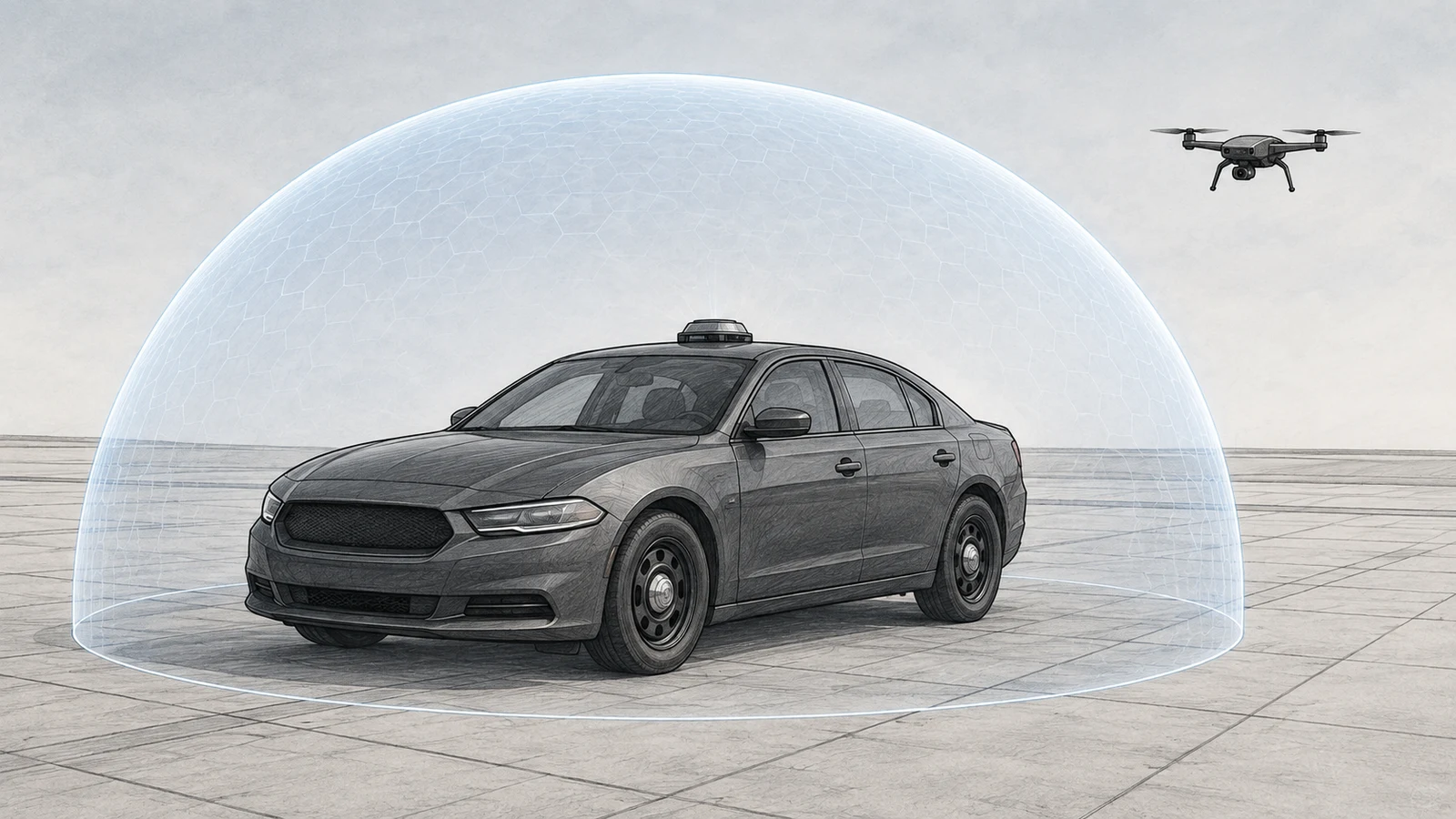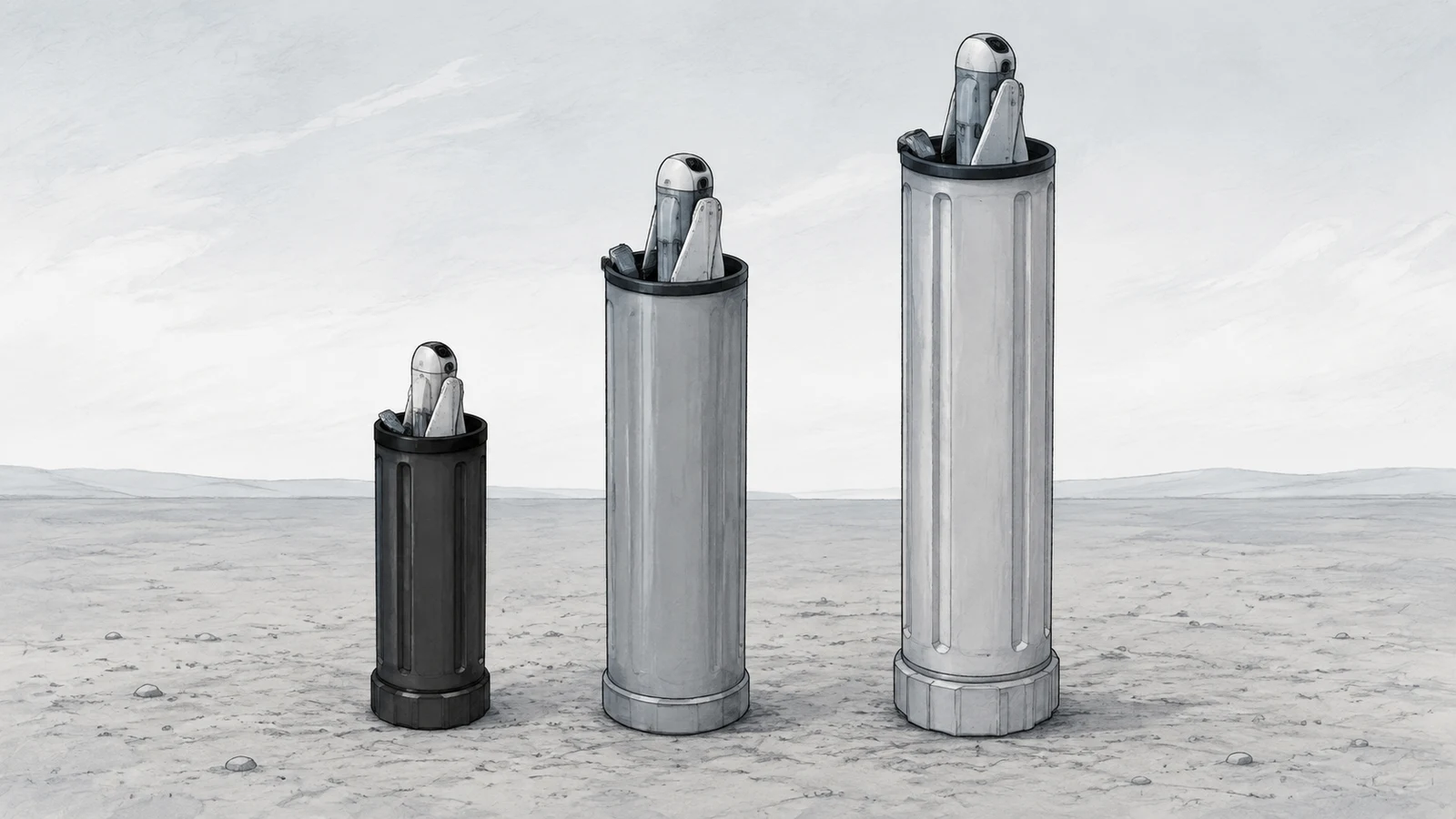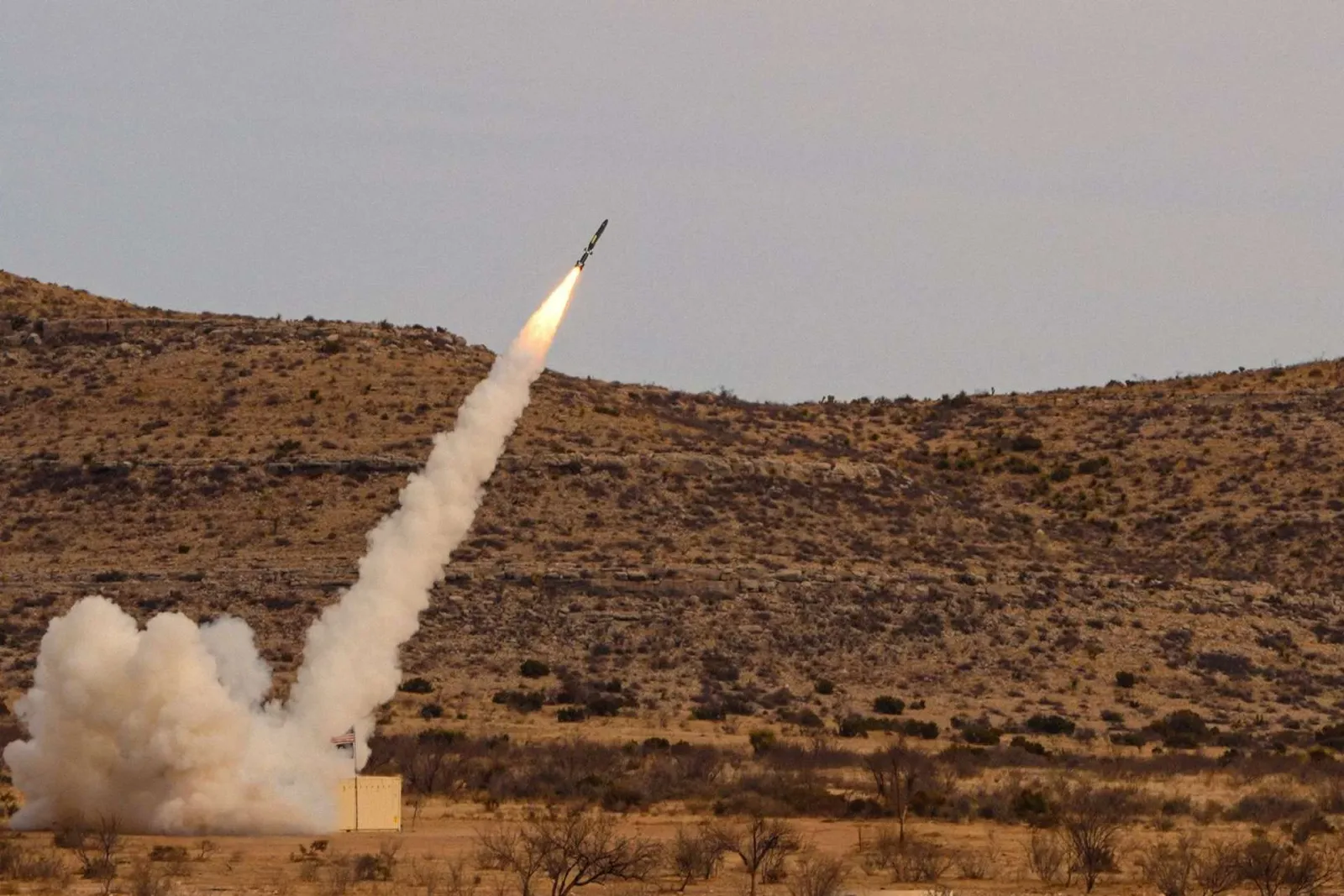

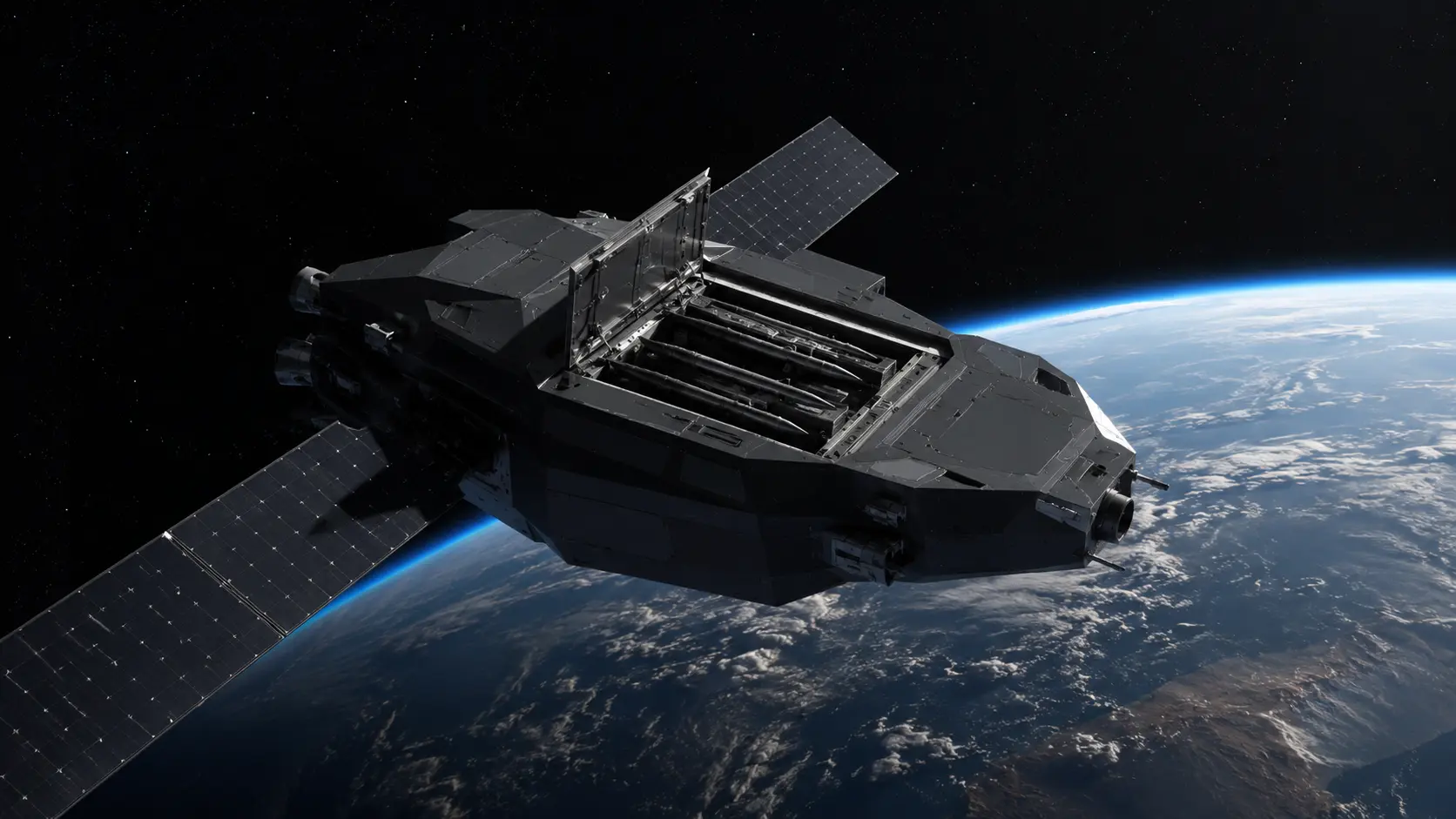
Anduril Industries has named five collaborators for its Space Force contract to prototype space-based interceptor technologies under the Golden Dome missile defense initiative: Impulse Space, Inversion Space, K2 Space, Sandia National Laboratories, and Voyager Technologies.
The announcement expands on Anduril’s April award under the Space Systems Command’s Other Transaction Authority program, which distributed $3.2 billion across 12 companies to develop space-based interceptor prototypes. Anduril did not disclose the value of its individual share, nor what specific role each partner will play.
What each partner brings
The team structure suggests Anduril is assembling a full kill-chain stack from space. K2 Space will provide its Mega-class satellite platform — designed to host up to 3,000 kilograms of payload mass and deliver 30 kilowatts of peak payload power — as the hosting architecture for interceptors. Impulse Space, which builds in-space mobility vehicles and has previously integrated Anduril payloads onto a Mira spacecraft, likely contributes maneuvering and proximity operations capability; the two companies conducted a high-precision rendezvous mission in geosynchronous orbit together. Inversion Space, which builds reentry vehicles for defense applications, fills the kinetic delivery role — the company explicitly stated that “advanced reentry” will play a critical role in space-based interceptors.
Sandia National Labs brings weapons development history that neither commercial nor defense primes can replicate; the lab’s senior hypersonics manager referenced “decades of experience in advanced weapons development” in describing the collaboration. Voyager Technologies CEO Dylan Taylor, speaking on the company’s investor call the same day, called it a “very significant award” while remaining vague on Voyager’s specific contribution — the company has cited energetics, propulsion, and digital avionics as capabilities relevant to Golden Dome.
Why Anduril structured it this way
The team composition reflects a deliberate strategy: pair Anduril’s autonomous systems and integration expertise with commercial space companies that have already solved discrete hard problems. Rather than building satellite buses, propulsion, or reentry vehicles internally, Anduril is assembling best-of-breed components into an integrated interceptor architecture. The OTA contract structure rewards exactly this kind of rapid prototyping approach — it bypasses traditional acquisition timelines and lets companies demonstrate working hardware faster.
Golden Dome, the administration’s proposed space-based missile defense layer, is early in its acquisition phase. The Space Force distributed the $3.2 billion across 12 awardees specifically to generate competing architecture concepts before down-selecting. Anduril’s disclosed team is one of the more complete public pictures of how any awardee is structuring its approach, and the participation of Voyager — which the CEO described as central to the architecture — suggests the company has capabilities the government explicitly sought.
The next milestone for the Golden Dome program is hardware demonstration; the OTA prototype contracts are designed to accelerate that timeline.