
Neros Technologies has raised $250 million in a Series C round at a $2.5 billion post-money valuation, and the money is going toward a product the company has not previously been known for: a counter-drone interceptor.
Sequoia Capital and the American Strategic Technology Fund co-led the round. Interlagos, Valor Equity Partners, Allen & Company, Thiel Capital, Spark Capital and Figma chief executive Dylan Field also participated.
From airframes to interceptors
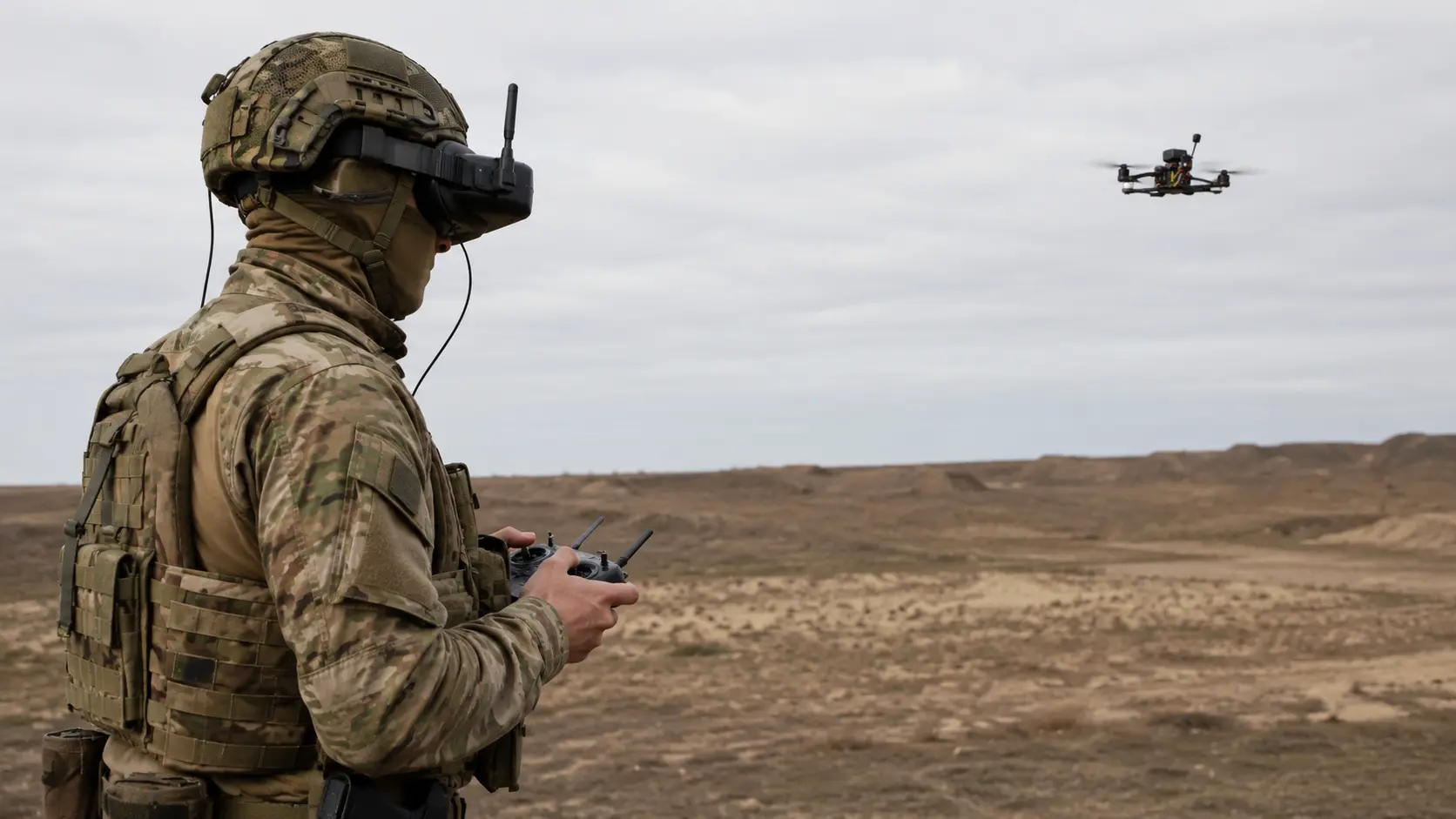
Neros built its reputation supplying first-person-view attack drones to Ukraine — cheap, expendable airframes produced at volume outside the Chinese supply chain. That is a crowded position, and one where the primary competitive lever is unit cost.
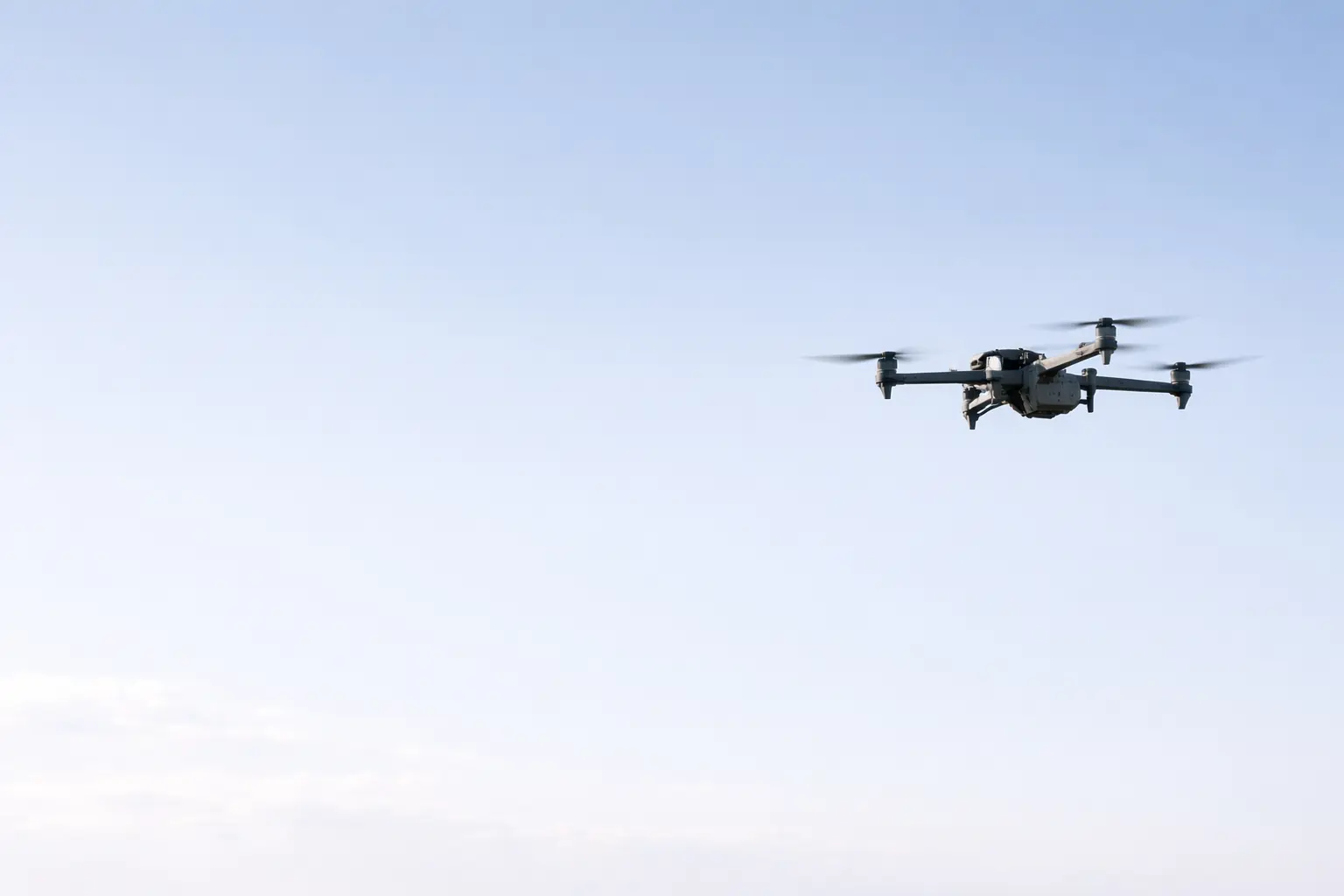
The Series C funds a shift. Alongside an FPV platform the company calls Archer AI — adding terminal guidance and GPS-denied position hold to a category that has historically depended on a skilled human pilot holding a video link — Neros is building Bandit, an interceptor aimed at Class 2 and Class 3 drone threats including Shahed-style one-way attack aircraft. The company says both are targeted for theater deployment by the end of 2026.
That is a move up the value chain. An FPV airframe competes on price. An interceptor that reliably brings down a Shahed competes against surface-to-air missiles costing many times more than the thing they are shooting at, which is the cost-exchange problem every air defense operator in Europe is currently trying to solve.
Chief executive and co-founder Soren Monroe-Anderson framed the round as accelerating Neros “into a multi-capability drone manufacturer.” The company is headquartered in Torrance, California, with offices in Los Angeles, Washington D.C., Kyiv and London.
The production question
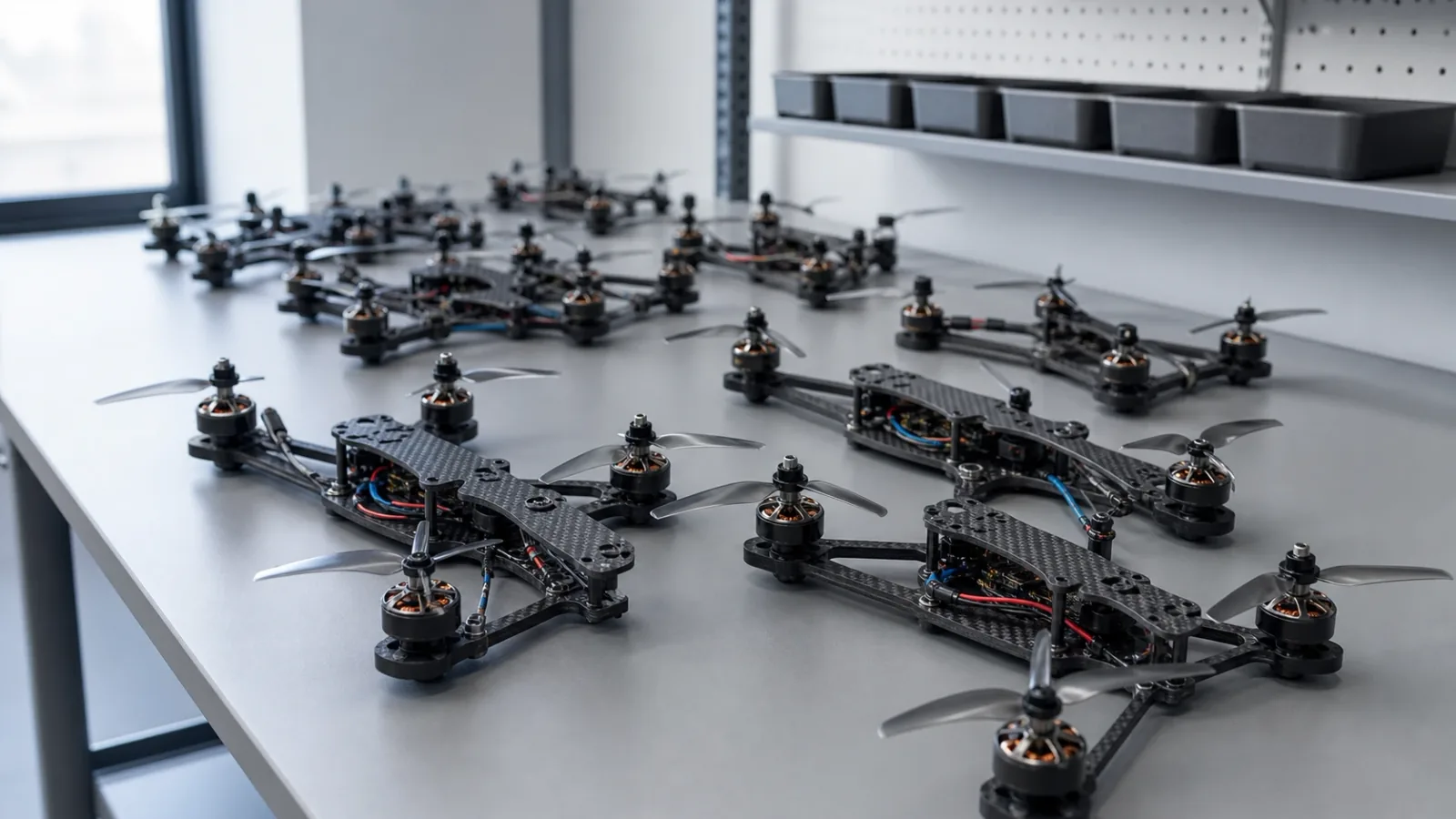
Neros has stated a target of producing one million drones a year. Bloomberg reported the round tripled the company’s valuation.
FlightBrief analysis: the number to watch is not the target but the current rate. American drone manufacturers have repeatedly announced million-unit ambitions; the constraint has consistently been motors, batteries and radios rather than assembly capacity, and most of that component base still runs through China. A vertically integrated strategy is the stated answer, and vertical integration is slow and capital-intensive — which is a reasonable explanation for why a company with a $2.5 billion valuation is raising $250 million rather than living off contract revenue.
The autonomy claim deserves the same scrutiny. Terminal guidance and GPS-denied hold are meaningful capabilities in a jammed environment, and they are also the two features nearly every FPV vendor now advertises. Independent performance data under contested electronic warfare conditions is what would separate the claims, and it is not public.
Why it matters
The White House Drone Dominance programme is pushing toward procurement of more than 200,000 small uncrewed systems by 2027, and the counter-UAS budget line has grown faster still. Neros is positioning to sell into both sides of that — the attack drone and the thing that stops one.
Watch for a disclosed production rate, a named US government production contract, and whether Bandit reaches theater deployment on the stated end-of-2026 schedule.