
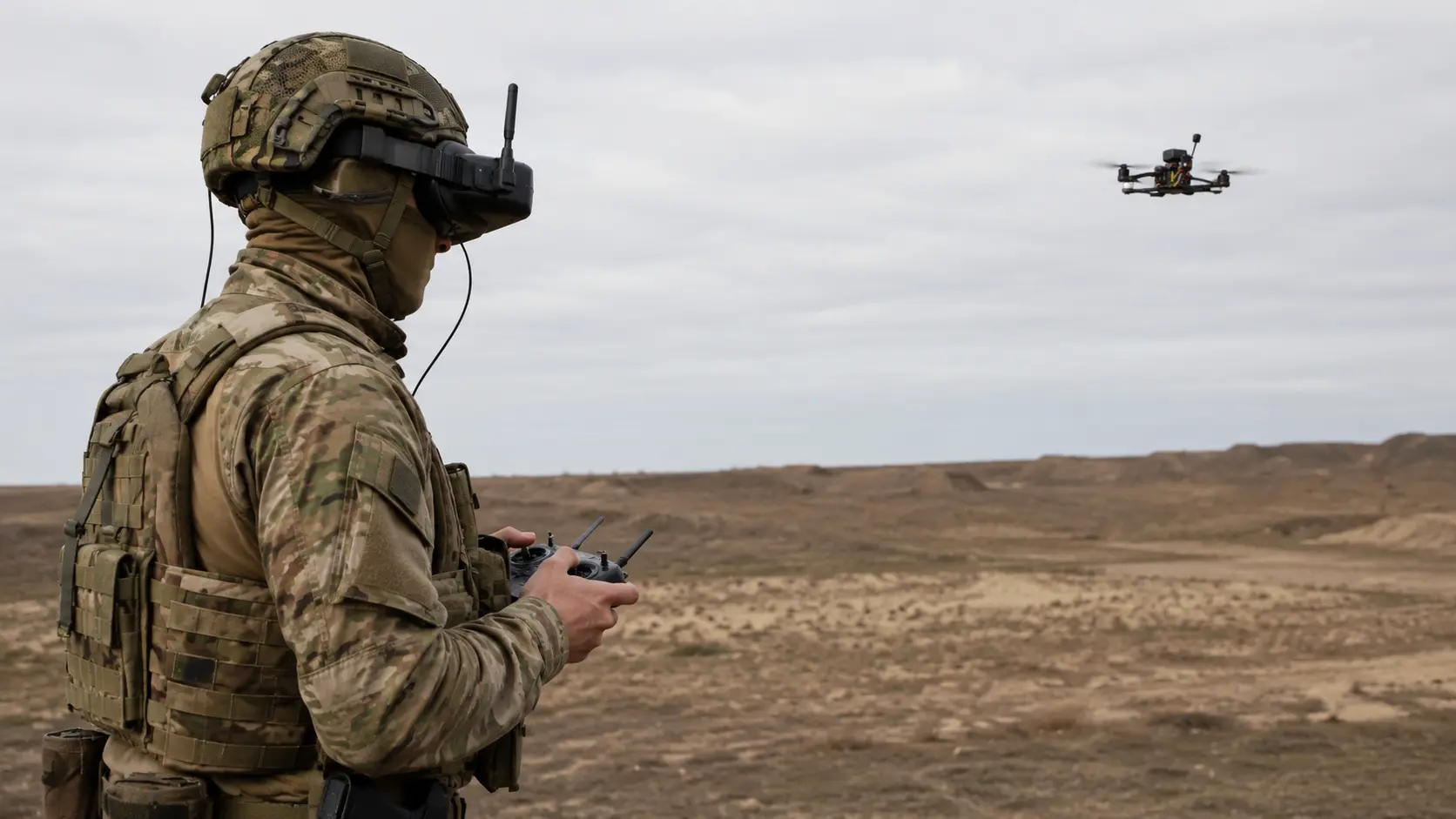
Defense Secretary Pete Hegseth confirmed this week that US military personnel have been deployed to Ukraine specifically to study how drones are used in combat — both offensively and defensively. “I’ve personally approved additional personnel there to learn from that drone battlefield,” Hegseth told senators, framing drone dominance as central to how the Pentagon is thinking about modern warfare.
The admission came during Senate hearings prompted by questions from Senator Mitch McConnell about restrictions on senior officials traveling to Kyiv. It follows a pattern of high-level US interest in Ukraine’s battlefield experience: Army Secretary Dan Driscoll and then-Army Chief of Staff Gen. Randy George visited Ukraine last year, with Driscoll describing the country as the “Silicon Valley of warfare.” Secretary of State Marco Rubio called Ukraine’s armed forces the “strongest, most powerful” military in Europe last Thursday, crediting the war with forcing Ukraine to develop tactics and equipment no other military has field-tested at scale.
What Ukraine learned that the US hasn’t
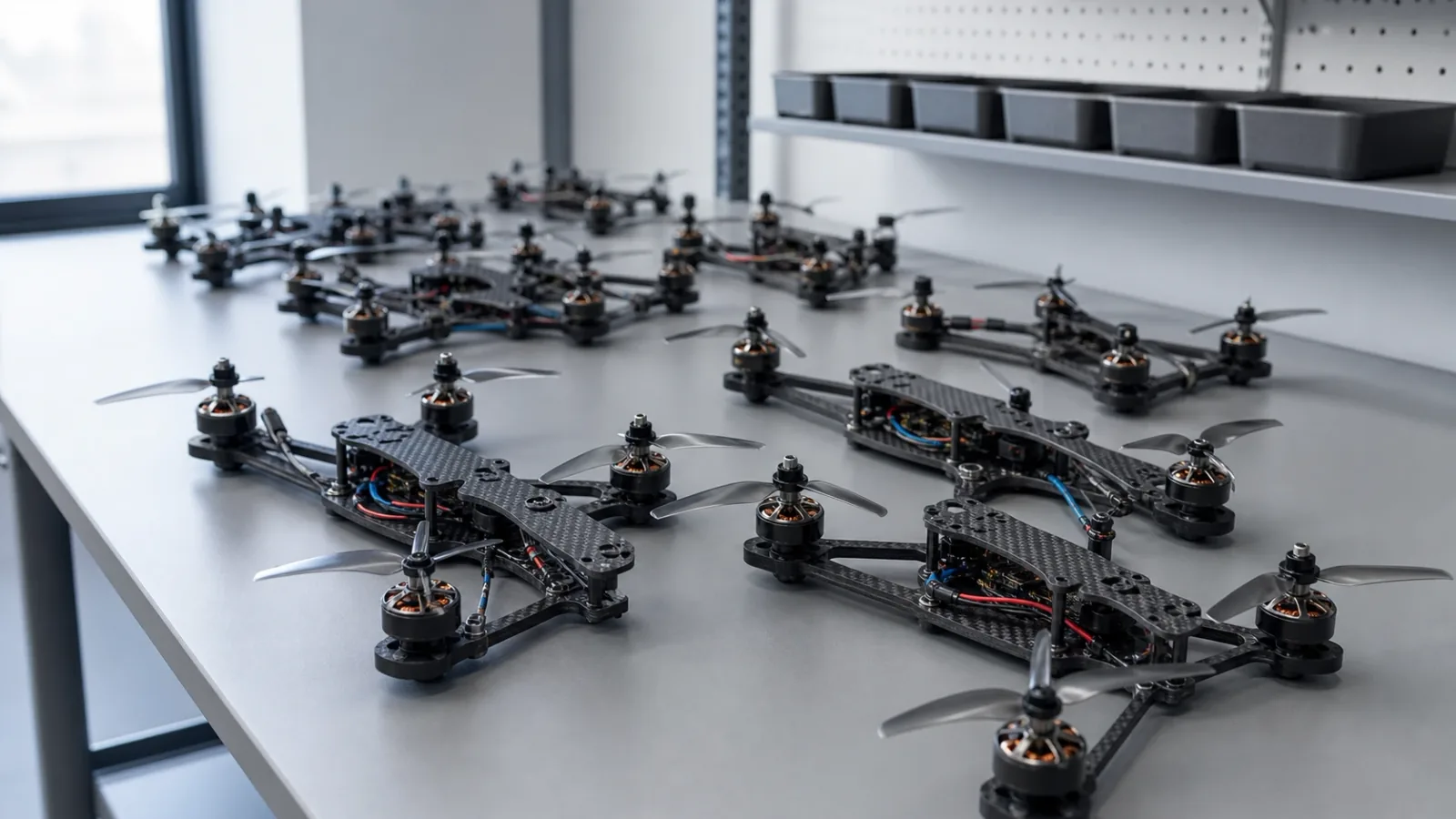
The practical gap is significant. One Ukrainian manufacturer plans to build more than 3 million low-cost FPV drones in 2026. The US produced 300,000 in 2025. Ukraine has been running active drone operations — offensive strikes, interception, electronic warfare adaptation — continuously since 2022. The accumulated tactical knowledge is not easily transferred through briefings.
Ukrainian drone pilots told Forbes the inflection point came after the battle for Avdiivka in early 2024, when US aid delays deepened Kyiv’s artillery shortage and accelerated the shift toward drone-based fires. The cost arithmetic that followed is now well-documented: FPV drones costing a few hundred dollars routinely destroy armored vehicles worth millions. In June 2025, Ukraine’s Operation Spiderweb smuggled FPV drones inside cargo containers into Russia and used them to strike strategic bombers — demonstrating that cheap systems can threaten the most expensive military assets without crossing a front line.
The same tactics are spreading. Hezbollah is now deploying $300 to $400 fiber-optic FPV drones in Lebanon, adapted directly from Ukrainian battlefield practice, specifically to defeat Israeli electronic warfare systems.
The gap the US is trying to close
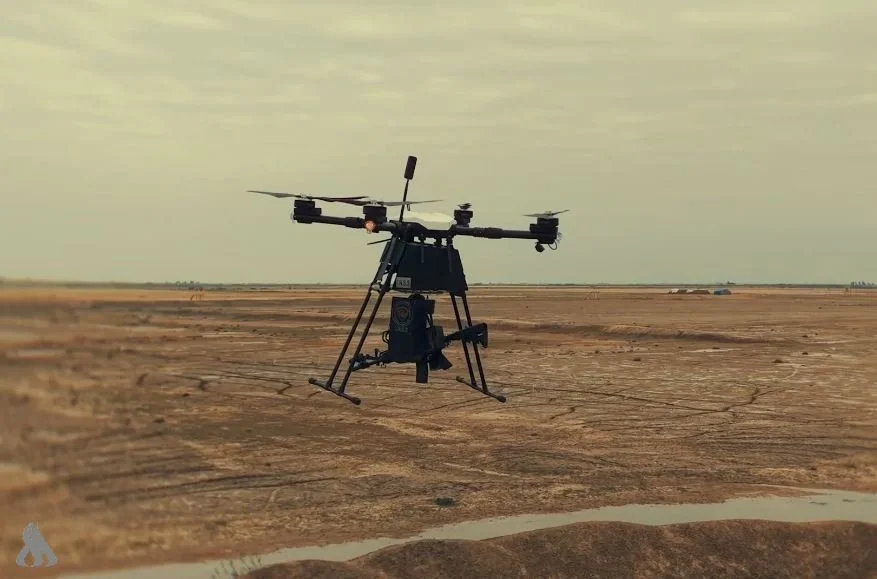
US forces have already paid a price for the learning curve. More than a dozen MQ-9 Reaper drones, each worth approximately $16 million, were destroyed during operations against Iran earlier this year. When Iran launched drone barrages across the region beginning in February, the US and its allies intercepted many of them — but the scale of the attacks exposed how difficult mass, cheap drone threats are to defend against at sustained tempo.
Ukraine had previously offered Washington battle-tested technology for defeating Iranian-made Shahed drones, including proposals for protecting American forces in the Middle East. The offer was dismissed. The US later asked Ukraine for anti-drone assistance during the Iran conflict.
A draft US-Ukraine defense memorandum, reported by CBS News on May 13, would allow Ukraine to export military technology to the United States and manufacture drones in joint ventures with American companies. The memorandum signals a shift from dismissal to formal technology transfer — a reversal driven by operational experience the US does not yet have.
American veterans who fought alongside Ukrainian forces are direct about what that gap means. Bryan Pickens, a former Green Beret who fought in Ukraine, said integrating drone systems, avoiding detection, and linking strikes across different ranges were areas where Ukrainian forces had moved far ahead of most Western militaries. “If the tactics, techniques and procedures used by Russia in Ukraine are ever used against the US, we won’t lose a few soldiers — we’ll lose entire elements,” Pickens said.