
The US Army wants $994 million for small counter-drone capabilities in fiscal year 2027 — nearly double the $596 million it received in FY26 and a figure that reflects how seriously the Pentagon now treats the FPV drone threat reshaping ground warfare.
The FY27 request, part of the Defense Department’s $1.5 trillion budget submission, allocates all $994 million from discretionary funding. The FY26 enacted budget split its $596 million between $336 million in discretionary and $260 million in mandatory reconciliation spending — a distinction that matters for congressional approval and long-term program sustainability.
How the Army plans to spend $994 million
The largest single line item is $414 million for “operational” counter-UAS capabilities: batteries, expeditionary platforms, and mobile sensors designed for field deployment. That’s followed by $165 million for fixed-site defense — base and installation protection, an area that has become politically contentious as the Pentagon and the FAA have clashed over what counter-drone systems can legally operate over domestic installations.
Effectors take $132 million of the total. The budget justification books specify 800 kinetic systems, 29 non-kinetic systems, and 24 units of the Next Generation Counter-UAS Missile — also known as the Freedom Eagle-1, built by AeroVironment. Squad- and individual soldier-level systems receive $108 million for handheld and wearable counter-drone gear targeting Group 1 and Group 2 threats, with an additional $80 million for brigade-and-below elements covering the same threat categories.
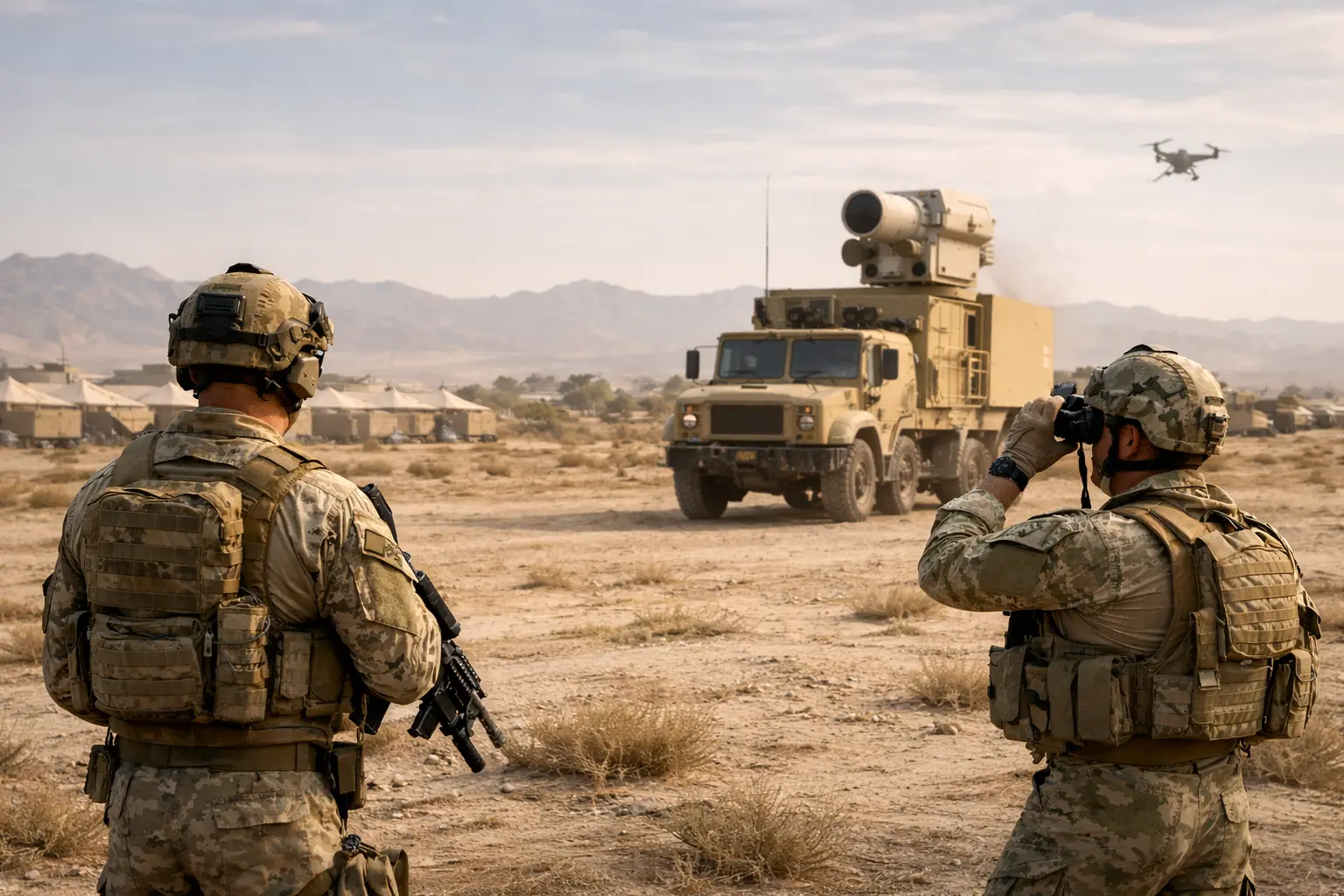
Directed energy gets $66 million, funding two Enduring High Energy Laser systems in what the justification books describe as a rapid prototyping effort tied to the Army’s Integrated Battle Command System-Maneuver. Expeditionary and mobile launcher systems — 12 and 10 units respectively for one cUAS battery — receive $24 million. Logistics support for the Family of Counter Unmanned Aircraft Systems program rounds out the request at just under $5 million.
Why the doubling makes sense now
The budget increase tracks directly with battlefield evidence. FPV drones costing $500 to $2,000 per unit are disabling multi-million-dollar armored vehicles in Ukraine at a rate that has restructured how both sides conduct ground operations. Iranian Shahed drones — reportedly as cheap as $4,000 in some production estimates — have been intercepted by Patriot PAC-3 missiles that cost between $3 million and $4 million each, a cost exchange the Pentagon has publicly acknowledged as unsustainable at scale.
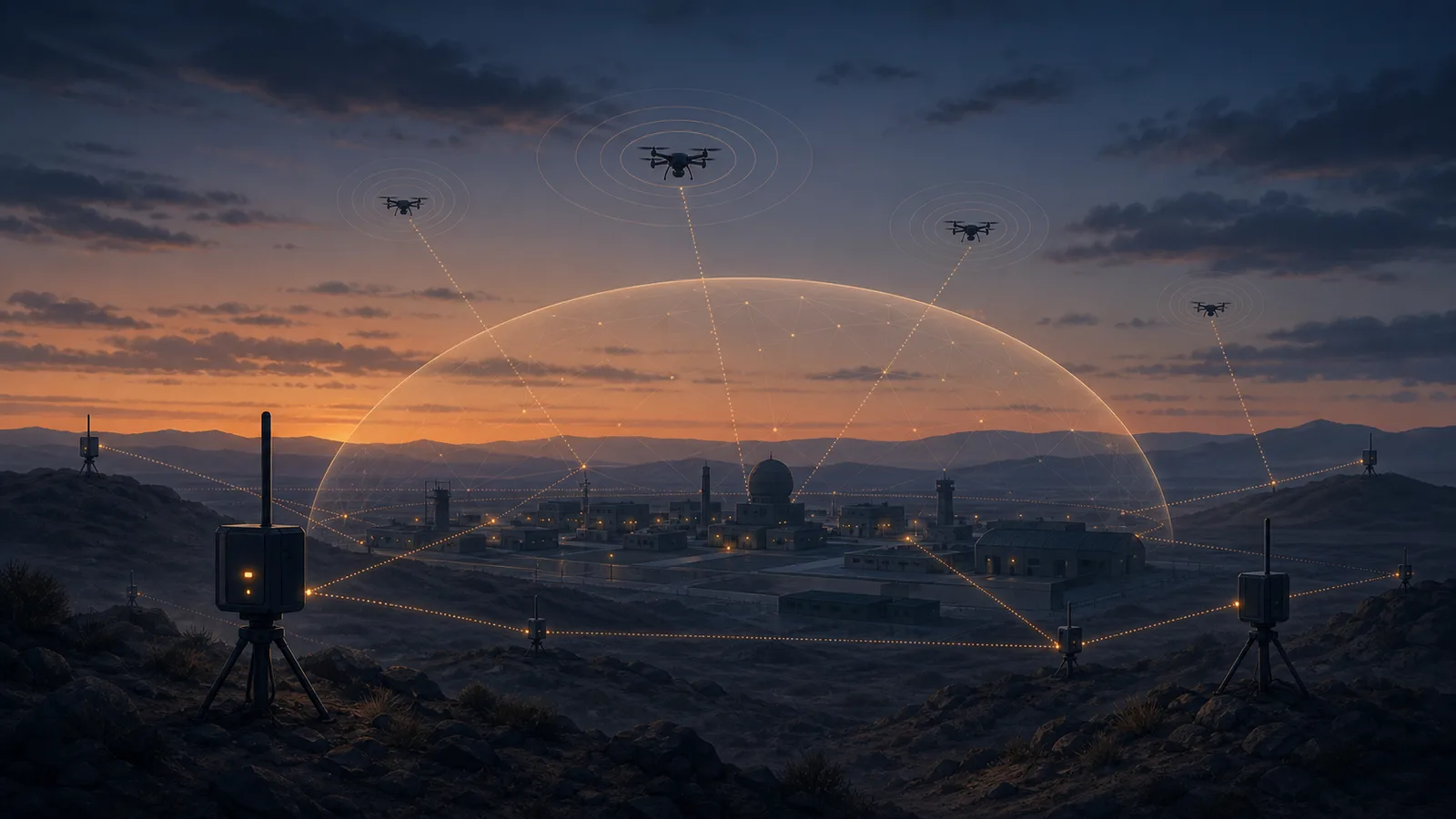
The Army’s stated architecture for addressing this is a “systems of systems” approach: sensors, effectors, electronic warfare components, and command-and-control integrated into an interoperable fire control framework rather than a collection of standalone systems. The budget breakdown reflects that philosophy — no single platform takes a dominant share, and the directed-energy line, though modest at $66 million, signals continued investment in magazine-unlimited defeat mechanisms that could eventually change the cost calculus.
Congressional approval is not guaranteed. The gap between the FY26 request and what was enacted — mandatory funding made up nearly half of the approved total — suggests the committee process could reshape the final numbers. The Army will need to make the case that $994 million in discretionary counter-drone spending is justified alongside competing priorities across the broader defense budget.