
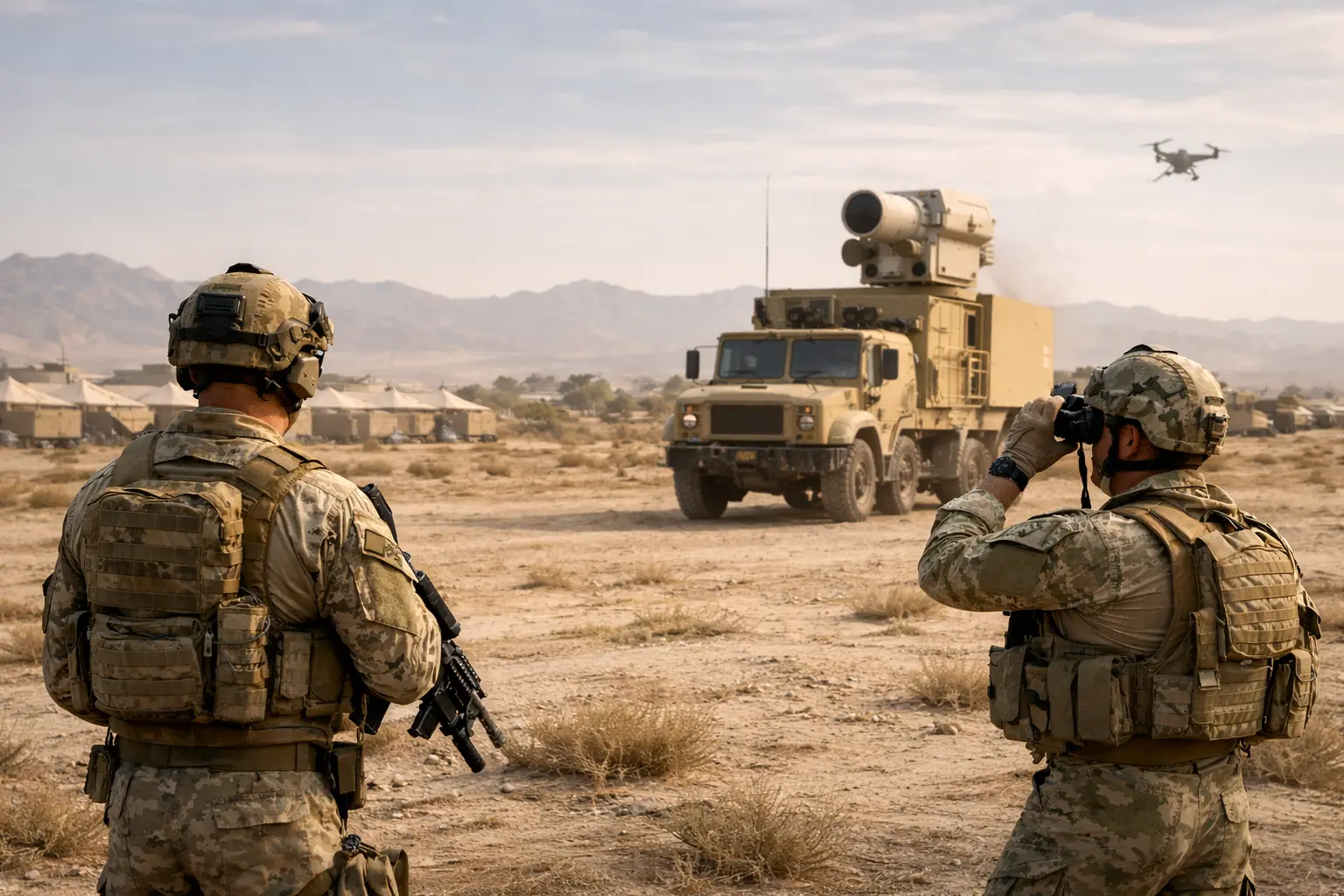
The U.S. military’s Joint Interagency Task Force 401 has committed more than $600 million in counter-drone capabilities since the start of Operation Epic Fury — the largest single surge in C-UAS spending in the task force’s history, and one that experts say is arriving years late.
More than $350 million of that total was directed toward U.S. Central Command operations in the first month of the Iran conflict alone. The rest covers domestic efforts including FIFA World Cup security across 11 cities, southern border operations, and stateside base defense. JIATF-401 spokesperson Lt. Col. Adam Scher confirmed this week that counter-drone equipment will continue flowing into the Middle East theater “over the coming days and weeks,” with some capabilities already in warfighters’ hands and others not yet delivered.
A Problem That Wasn’t a Surprise
The investment comes after years of documented drone threats that the U.S. military failed to adequately fund against. Iran had been exporting drones to Russia and regional proxies for years before Operation Epic Fury began. The Russia-Ukraine war provided two-and-a-half years of observable drone warfare data. None of it produced the procurement response the threat warranted.
“I believe that there should have been larger investments a long time ago in counter-drone technology and warfare,” said Alex Plitsas, a senior fellow at the Atlantic Council. “The U.S. was late to the game.”
Tom Karako, director of the Missile Defense Project at CSIS, put it more bluntly: the investment “is dramatically overdue. But it’s not as if the drone threat snuck up on us.”
The consequences of that delay have been visible. Six American troops were killed by an Iranian drone strike in Kuwait on March 1. Gen. Dan Caine, Chairman of the Joint Chiefs, told reporters the U.S. and Gulf partners intercepted 1,700 ballistic missiles and one-way attack drones combined since the conflict began — a figure that doesn’t distinguish between the two categories, and one Centcom declined to break down further.
What $600 Million Is Actually Buying
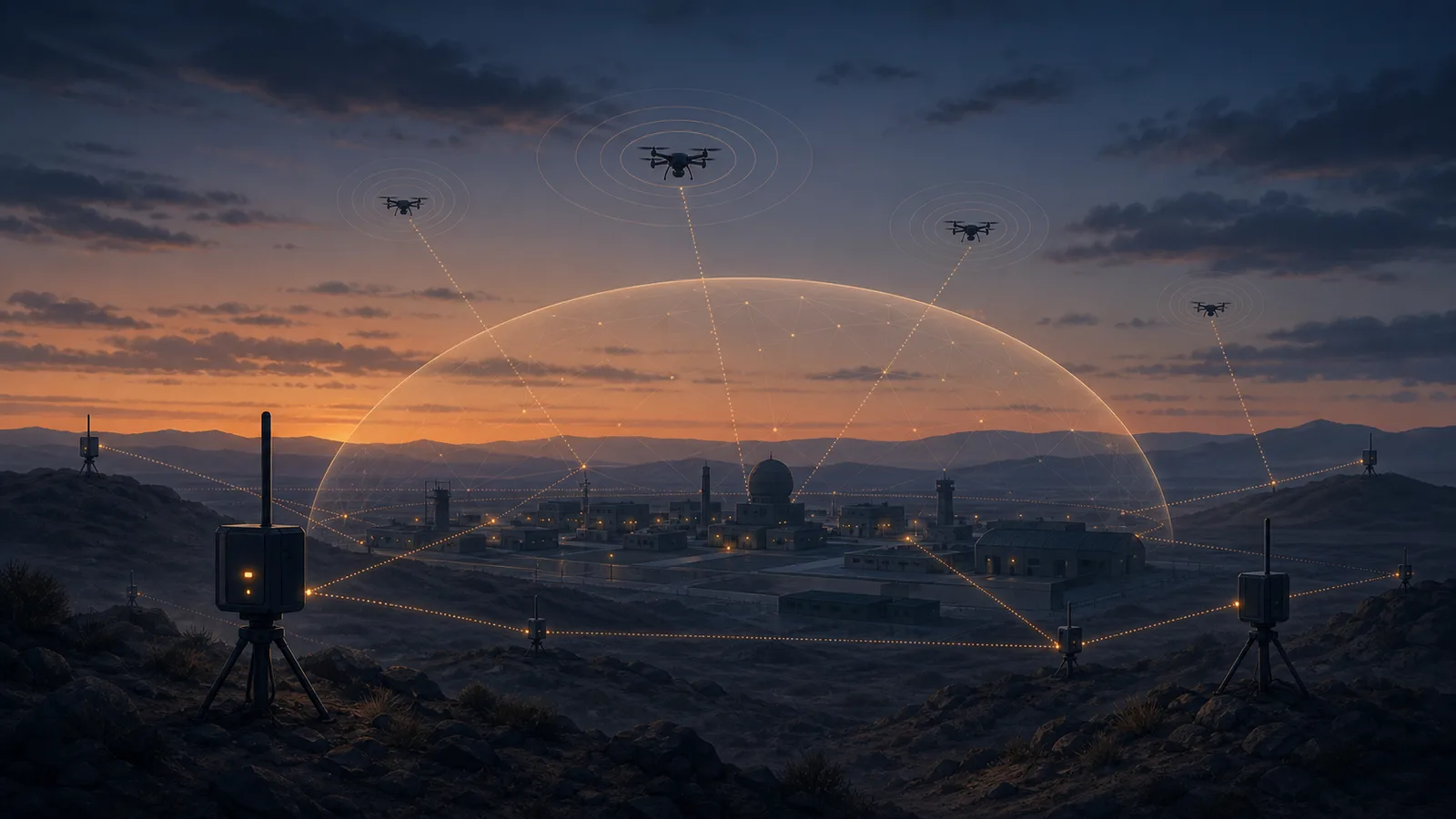
JIATF-401 has not disclosed which systems received the bulk of the funding. Karako said Coyote interceptors and Merops systems have likely been responsible for most drone kills in theater. At the southern border, where the task force spent more than $20 million, disclosed purchases include 13 advanced early-warning sensors, seven mobile and fixed-site mitigation systems, and portable devices including Wingman, Pitbull, and Smart Shooter rifle-mounted optics.
The fiscal 2027 budget request proposes a significant further increase in counter-drone spending, though the current surge drew from fiscal 2026 funds — what Karako described as grabbing available money “and any other coins in the couch cushions” to get hardware on contract quickly.
That dynamic — reactive spending at scale rather than planned procurement — reflects a structural problem. The U.S. is now in a cost-exchange fight against Iran’s low-cost Shahed drones using expensive, limited-inventory intercept systems. Karako’s framing was direct: shooting down Shaheds is not a technically unsolved problem. The challenge is having enough affordable interceptors to do it at scale without burning through high-cost inventory.
The ceasefire announced earlier this week between the U.S. and Iran remains fragile, with drones and ballistic missiles still active across the region and tens of thousands of American troops still in theater. JIATF-401’s counter-drone pipeline is the bridge between the current inventory shortfall and whatever procurement the FY2027 budget eventually funds.