
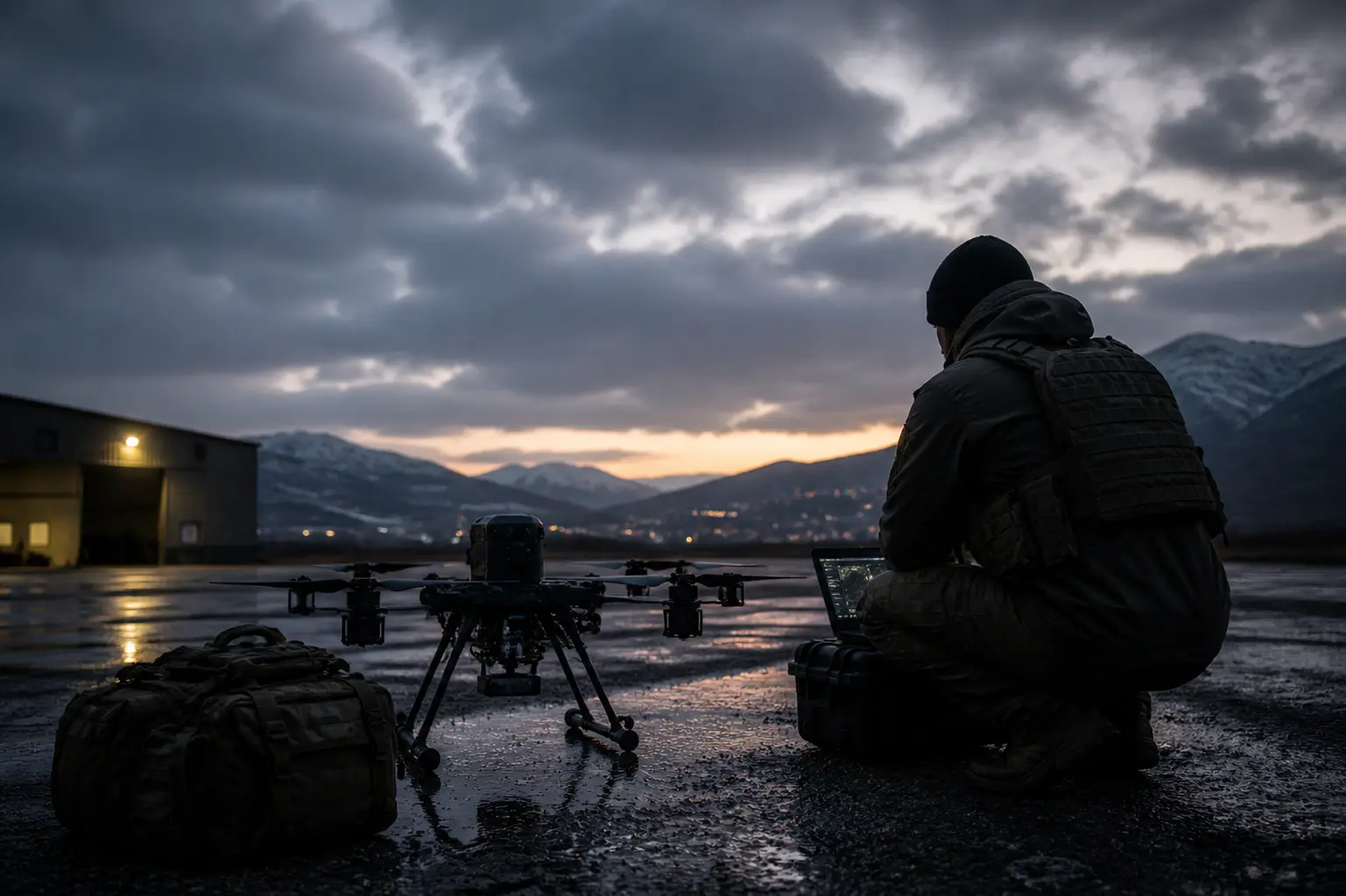
Ukraine’s defense industry has grown from roughly $1 billion in annual output to more than $50 billion since Russia’s full-scale invasion began — a fiftyfold expansion compressed into three years of existential pressure. Now Kyiv has a problem most arms manufacturers would envy: it’s producing more than its own military can absorb. The answer is export.
President Volodymyr Zelenskyy has confirmed that some production sectors are running at up to 50% surplus capacity. The Ukrainian military takes priority, as it always will — but what’s left over is increasingly going to partner nations that have supported Ukraine and have no ties to Moscow. This is not a provisional arrangement. It is a deliberate strategic pivot toward making Ukraine a durable weapons exporter, not just a recipient of Western military aid.
What the Drone Deal Actually Is
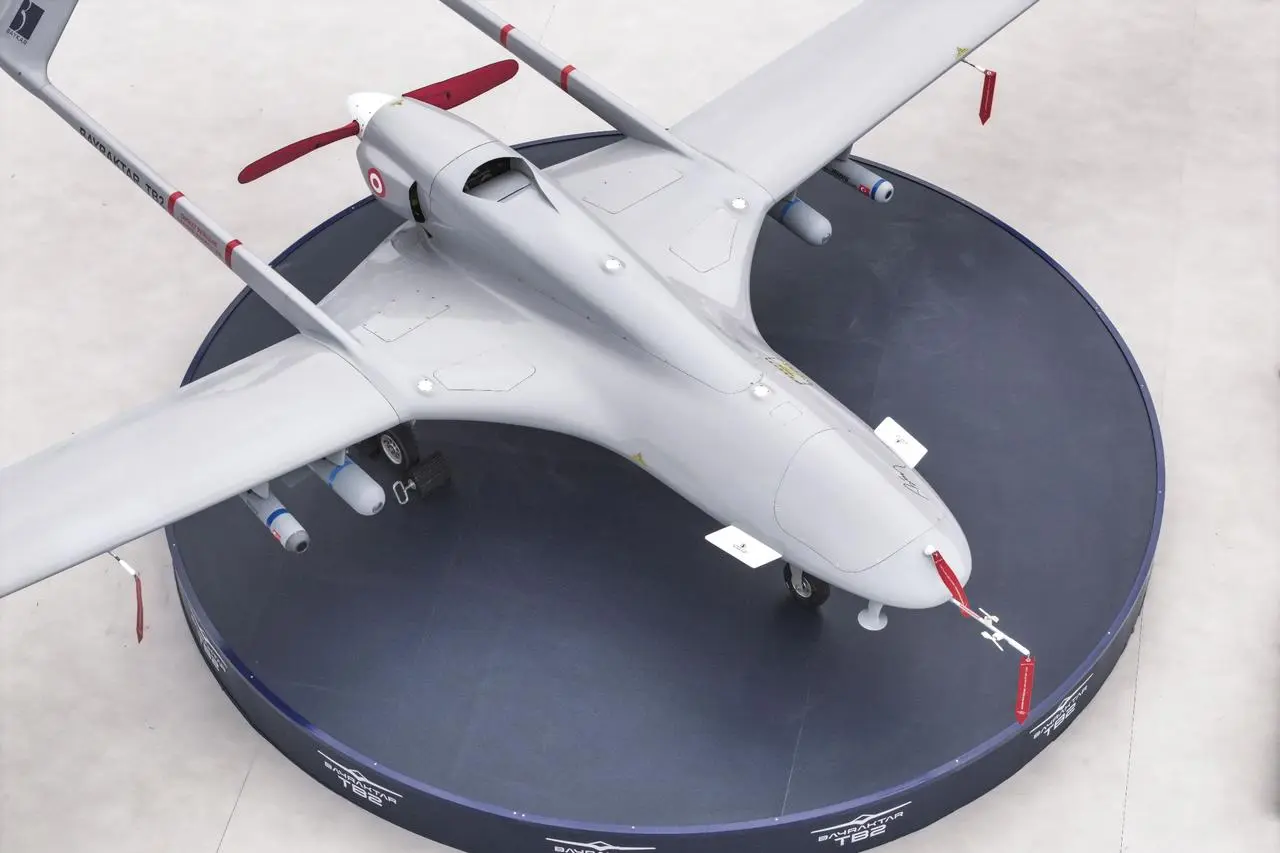
The export program’s centerpiece is what Kyiv is calling the Drone Deal — a format that goes well beyond shipping hardware to allied governments. Each agreement packages drones designed to intercept mass attacks, air defense systems, and electronic warfare capabilities into what Ukraine describes as a complete defense system. Preliminary figures point to at least ten active arms export contracts across three regions: the Middle East and Gulf, Europe, and the Caucasus.
Zelenskyy has confirmed ten-year agreements with Saudi Arabia, the United Arab Emirates, and Qatar, with requests from eleven countries in total. The Gulf states are a logical first market. They have the procurement budgets, they face credible drone and missile threats to critical infrastructure — as events across the Middle East have demonstrated — and they have watched Ukraine’s systems perform against exactly those threat profiles in real time.
The Drone Deal is structured as a long-term cooperation program, not a one-time sale. That distinction matters. Ukraine is not selling surplus inventory. It is selling operational doctrine, institutional knowledge built under fire, and access to systems that are updated continuously because the battlefield demands it.
Why Ukraine’s Weapons Are Different
Every arms exporter claims its systems are battle-tested. Ukraine’s claim is different in kind, not just degree.
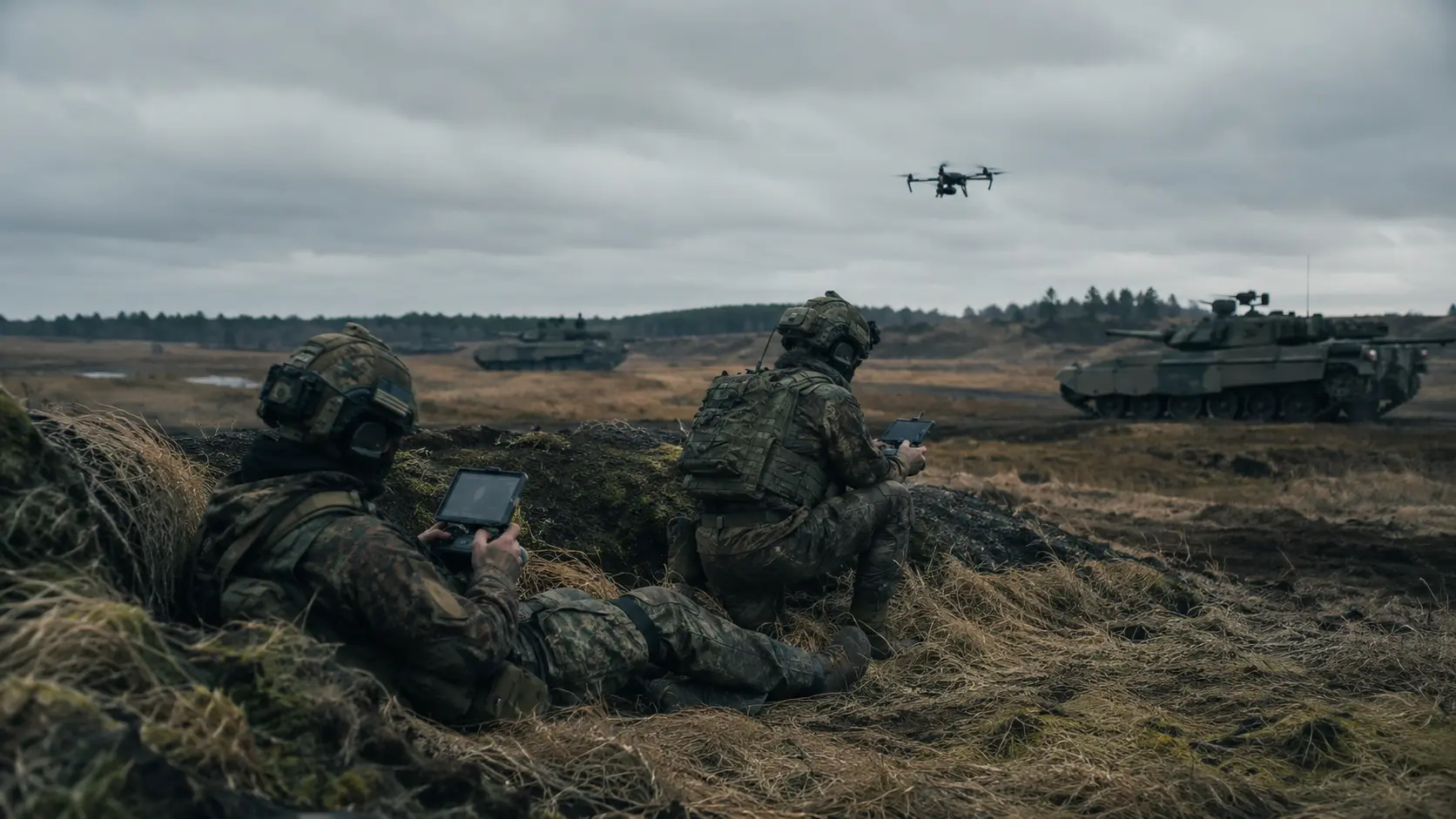
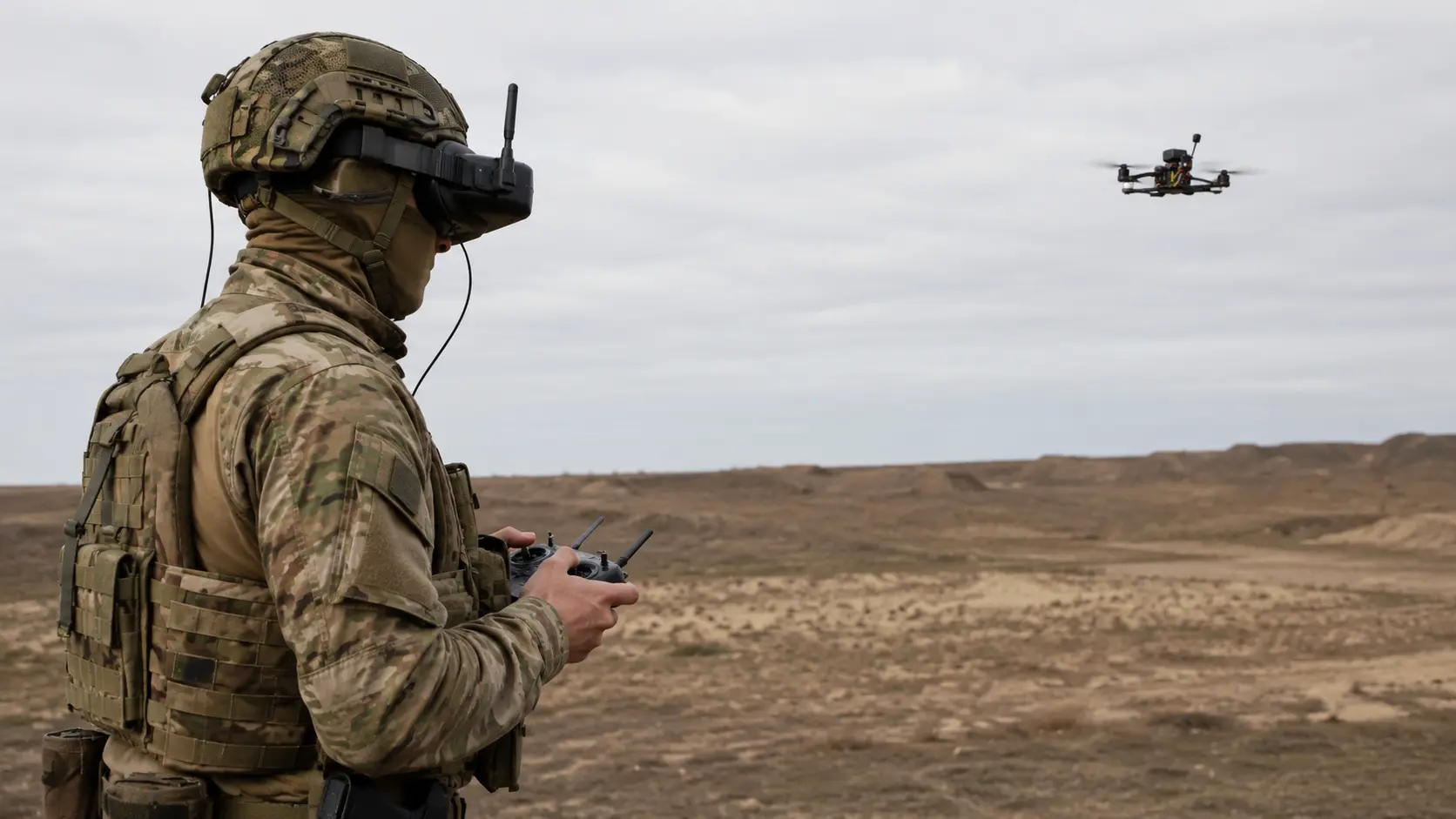
Interceptor drones developed in Ukraine are downing Shahed-series attack drones by the thousands. Ukrainian electronic warfare systems are disabling FPV drones mid-flight. Naval drones have destroyed elements of Russia’s Black Sea Fleet. Ukrainian missiles are striking targets inside Russian territory. The operational environment is not a controlled test range or a low-intensity peacekeeping mission — it is the most sophisticated electronic warfare environment on earth, where both sides are running continuous signals intelligence operations and updating countermeasures in near-real time.
That constant pressure produces a specific kind of weapons development cycle that no peacetime procurement process can replicate. Systems that stop working get replaced, fast. Systems that work get iterated. The result is a defense industry that has effectively been running accelerated R&D cycles for three consecutive years, funded by necessity and pressure-tested at scale. When Ukraine offers a partner nation its interceptor drone package, it is offering something that has been refined through thousands of real engagements, not simulations.
The Industrial Logic Behind Exporting Now
The timing is not accidental. Ukraine is exporting now because the industrial capacity exists and because waiting would squander it. Hundreds of companies have scaled up production infrastructure over the past three years. Letting that capacity sit idle while the war continues would create financial pressure on manufacturers, slow R&D investment, and risk losing the engineering talent that built these systems in the first place. Export revenue recycles back into the development pipeline.
There is also a geopolitical dimension that Kyiv is clearly aware of. An allied nation that has integrated Ukrainian drone systems, trained with Ukrainian operators, and built maintenance infrastructure around Ukrainian platforms becomes a long-term customer and a strategic partner — not just a one-time buyer. The ten-year agreements with the Gulf states suggest Ukraine understands this and is structuring its export relationships accordingly.
Joint production is also on the table. Ukraine is considering arrangements where manufacturing lines and R&D funding are shared between Kyiv and partner states, including co-development of new systems. That model transforms the Drone Deal from an arms sale into an industrial partnership — one that could eventually result in Ukrainian defense technology being produced in the Gulf, in Europe, or in the Caucasus under license.
The Export Control Problem Ukraine Has to Solve
None of this happens cleanly. Ukraine’s National Security and Defense Council is working with partner intelligence services to define a framework that prevents Ukrainian technology from reaching Russia, either directly or through third-party transfers. That is a genuinely difficult problem. The Gulf states maintain complex relationships with multiple great powers. The Caucasus includes countries with their own complicated ties to Moscow.
Zelenskyy has been explicit that exports go only to partners that support Ukraine and have no Russian ties. The NSDC framework, combined with automated export permit systems designed to cut bureaucratic delay while maintaining accountability, will be the mechanism that enforces that principle. How well it works in practice will determine whether the Drone Deal remains a controlled export program or becomes a proliferation risk that Western partners push back against.
The first contracts are already signed. Field trials under BraveTech EU — the joint EU-Ukraine testing initiative announced this week with a €100 million combined budget — will give European partners structured access to Ukrainian systems under a framework the European Commission controls. That parallel track suggests Kyiv is managing its export program differently for different audiences: commercial and strategic arrangements for the Gulf, institutionalized cooperation for Europe.
Ukraine enters the global arms market not as a legacy defense exporter protecting incumbent relationships, but as a country that has spent three years solving the hardest weapons development problems under the worst possible conditions. The Drone Deal is how it monetizes that experience. The next eighteen months will show whether the export framework holds and whether the ten-year Gulf agreements translate into the joint production arrangements Kyiv is ultimately angling for.