
SkyfireAI has raised $11 million in seed funding to build software that lets multiple drones operate autonomously in mission-critical scenarios — without a pilot behind each one.
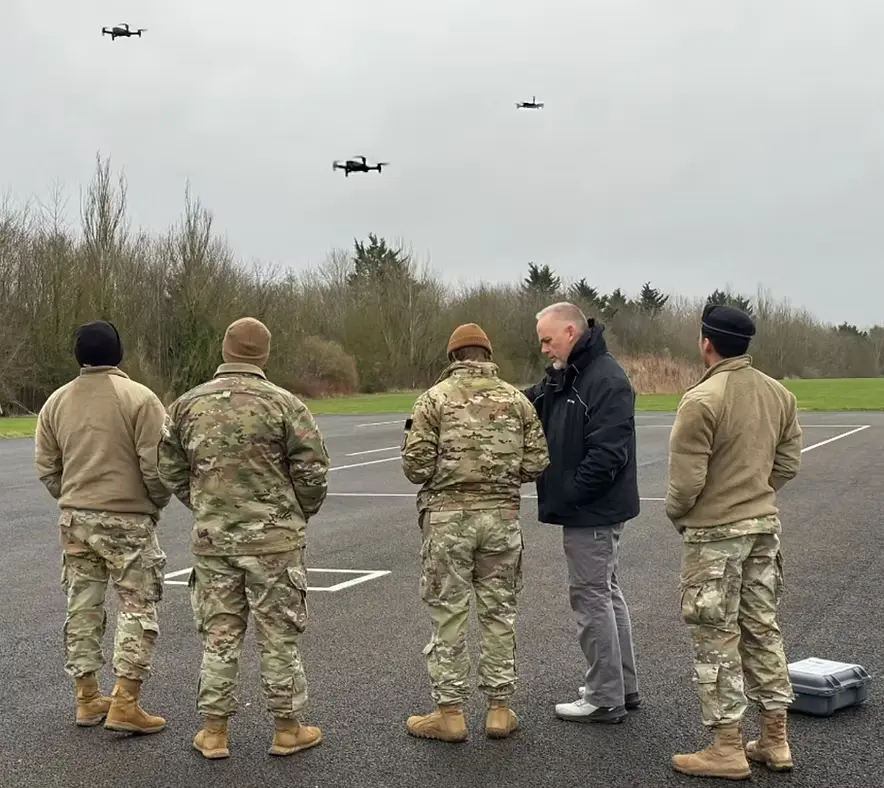
The round was led by Mucker Capital with participation from Andrew Ng’s AI Fund. The San Diego-based startup, co-founded by veterans of the US Navy, intelligence community, and DARPA, is targeting the core constraint holding back drone adoption in public safety and defense: the one-pilot-per-drone bottleneck that limits how fast agencies can scale.
Why Autonomous Coordination Is the Bottleneck
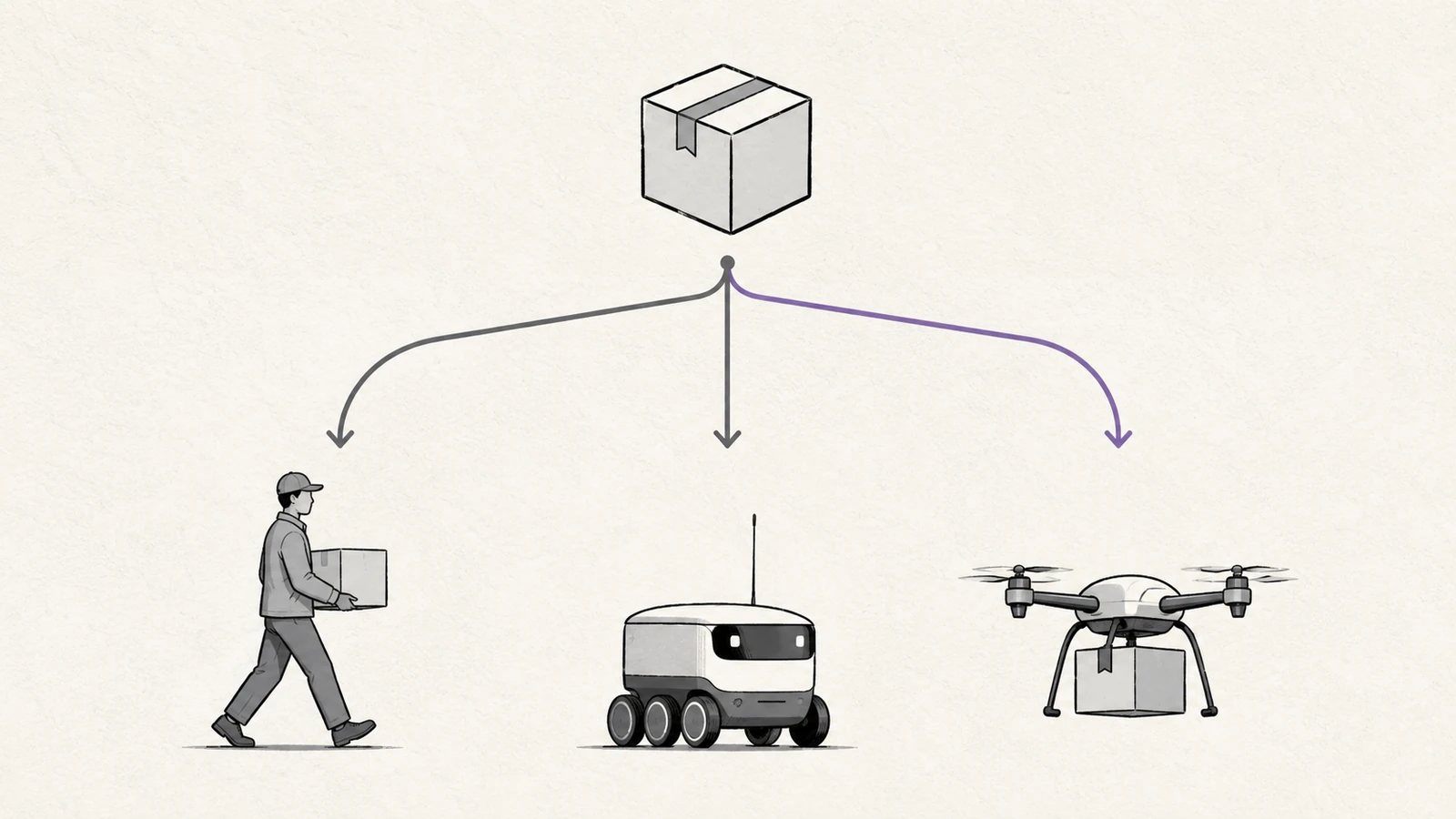
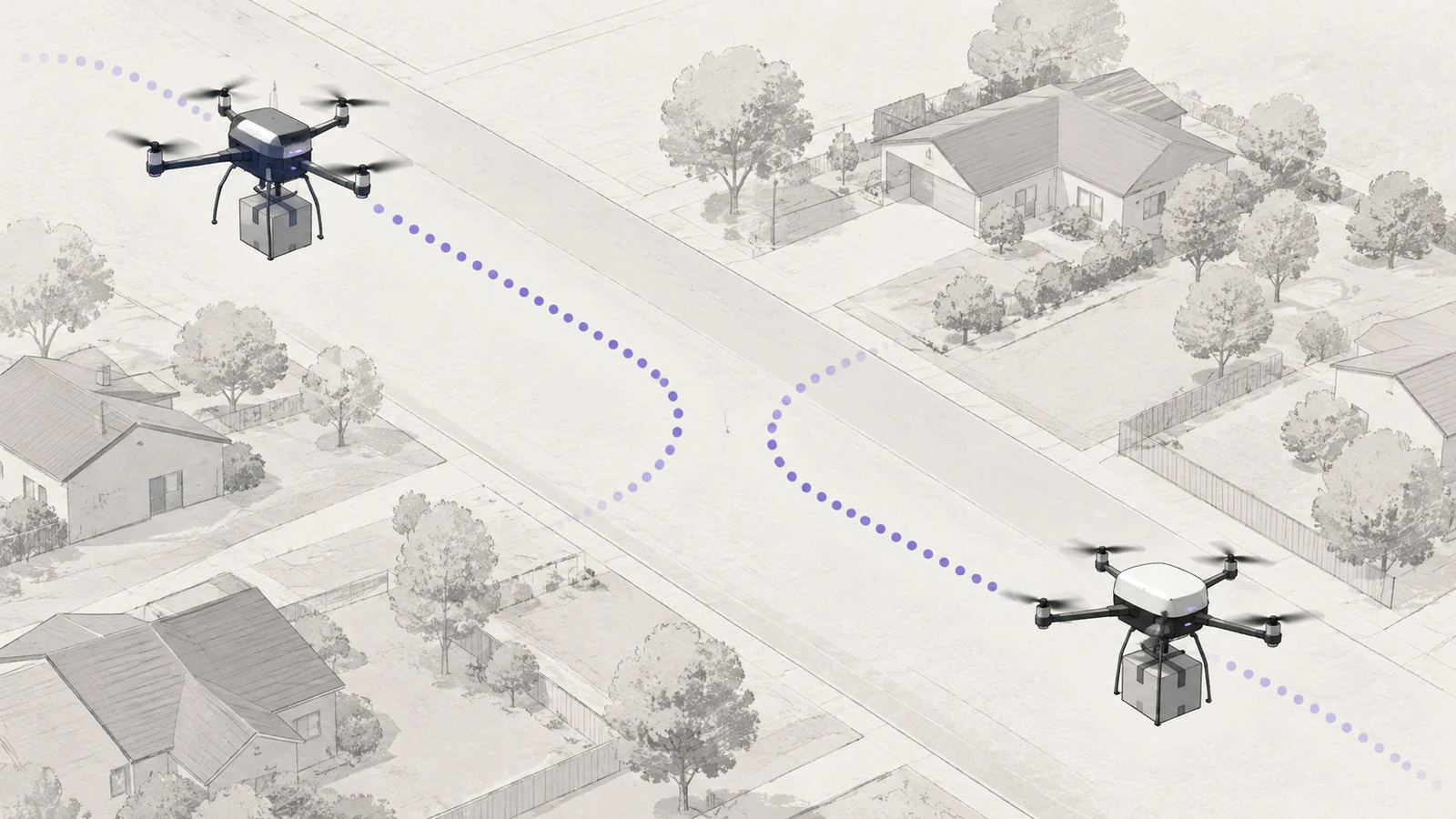
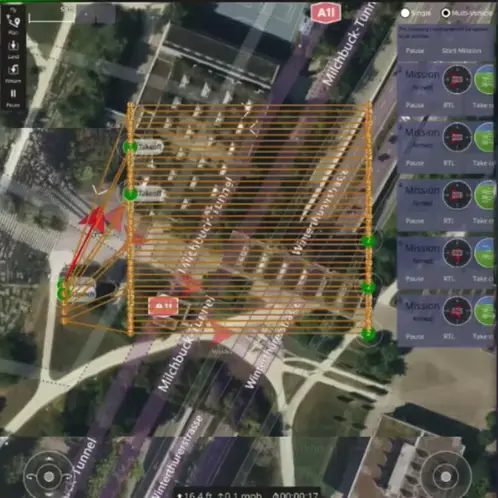
Most drone programs in law enforcement and emergency response today are manpower-constrained, not hardware-constrained. Agencies can afford more drones than they can staff. SkyfireAI’s platform is built around closing that gap — coordinating multiple aircraft simultaneously through a single AI-managed interface that handles planning, deployment, and real-time orchestration.
The company is positioning itself as hardware-agnostic, meaning its software plugs into existing drone fleets rather than requiring customers to buy new hardware. That matters in a market where agencies have already made procurement decisions and don’t want to start over.
Target customers include first responders, law enforcement, defense teams, and critical infrastructure operators — environments where response time is measured in seconds and a delayed or uncoordinated deployment has direct consequences.
Andrew Ng’s Bet on Physical-World AI
Ng’s involvement via AI Fund is a signal worth noting. AI Fund has backed companies applying AI to physical-world automation, and SkyfireAI fits squarely in that thesis: computer vision and autonomy stacks that don’t just process data but direct action in the field.
CEO Don Mathis frames the product in operational terms — faster deployment, better coordination, more actionable intelligence in the moment — rather than leading with the technology. That framing suggests the company is already speaking to buyers, not just building toward them.
The funding will go toward product development, team growth, and expanding deployments across public safety and defense. Whether SkyfireAI can win government contracts at scale before better-capitalized competitors — Joby, Skydio, Palantir, and others are all circling the autonomous fleet management space — will determine whether an $11M seed round is enough runway to matter.