
SkyfireAI has raised $11 million in seed funding to build software that lets a single operator manage multiple autonomous drones simultaneously — targeting the public safety market where staffing constraints are the primary brake on drone program expansion.
Mucker Capital led the round, with AI Fund and SaaS Ventures participating. The Huntsville, Alabama-based company is focused on what it calls AI-native autonomy: pre-planned or automatically triggered missions where the operator supervises outcomes rather than flies aircraft.
The One-Pilot-Per-Drone Problem
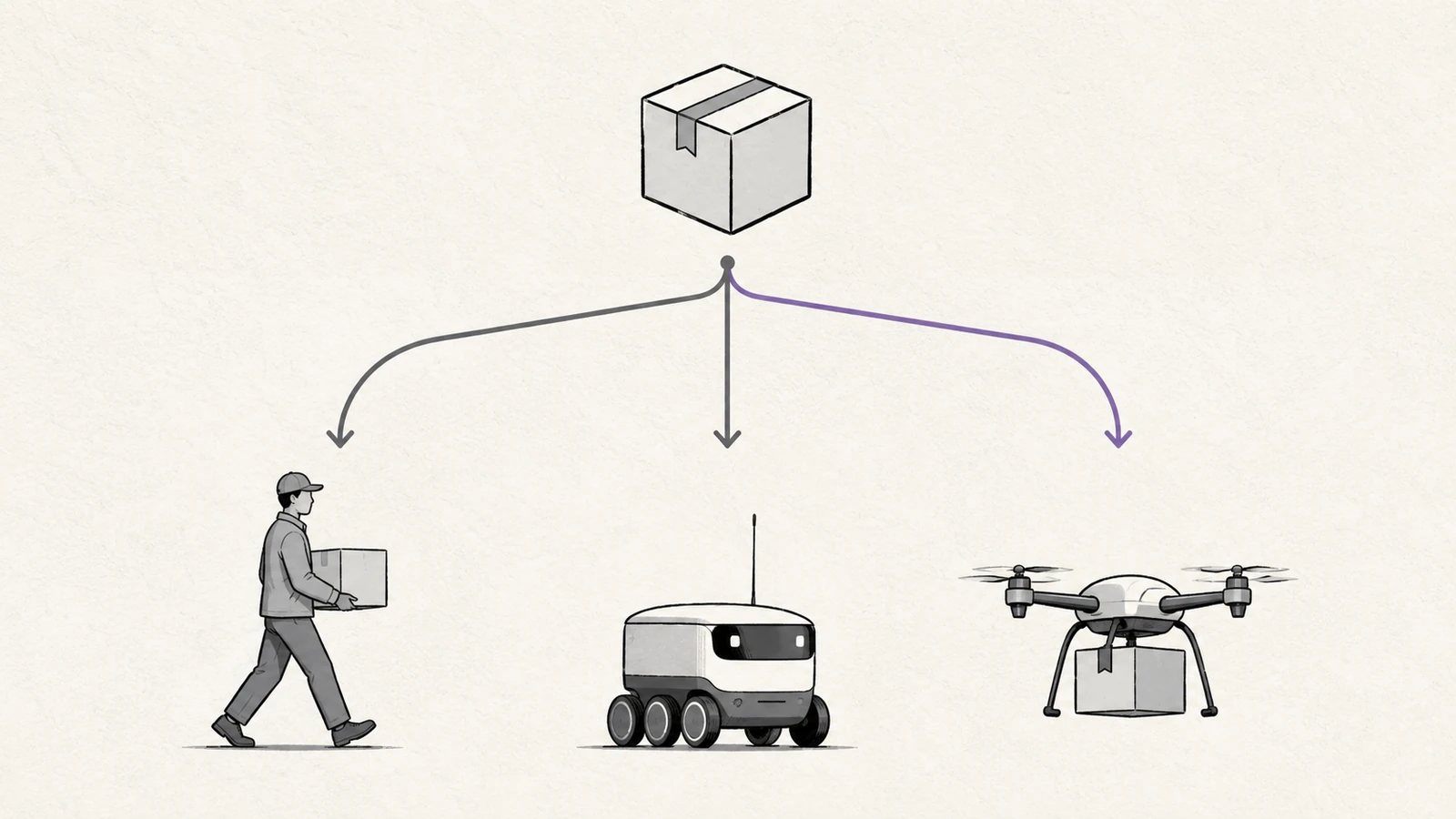
Current drone operations in public safety are built around direct human control. One aircraft, one pilot — a model that works for small programs but collapses under the staffing economics of scaling. A fire department that wants six drones in the air simultaneously needs six qualified operators. That constraint is why most agencies run one or two drones per incident rather than the coordinated multi-ship response the technology is theoretically capable of.
SkyfireAI’s platform is designed to collapse that ratio. The system handles flight path management, obstacle avoidance, and real-time area prioritization autonomously, leaving the human operator to act as a mission manager across several aircraft at once. CEO Don Mathis was direct about the target problem: scaling a drone program today means hiring more pilots, which is expensive, difficult to sustain, and compounds every time an agency wants to add aircraft.
What Coordinated Multi-Drone Operations Actually Look Like
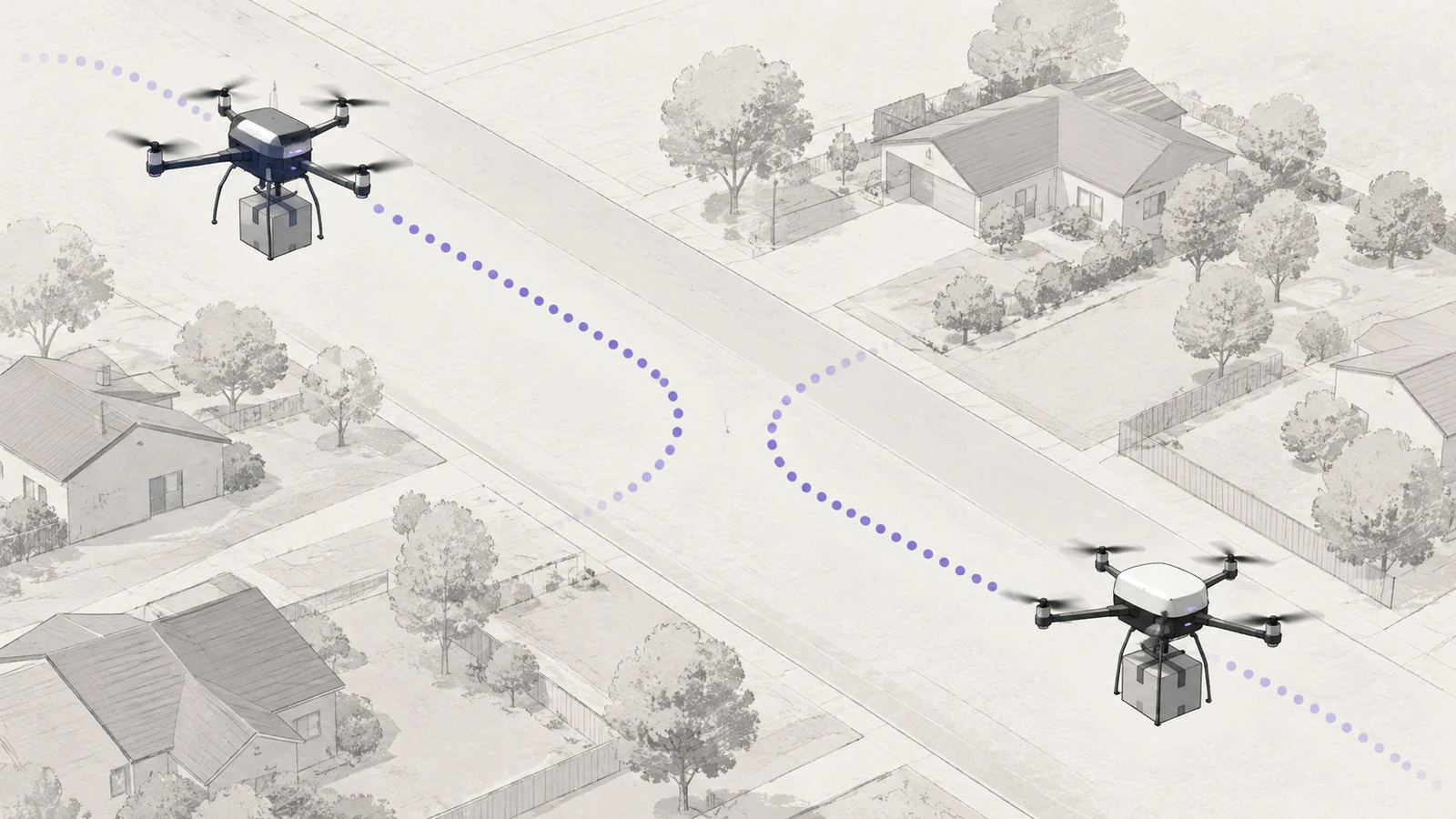
The practical application is less about autonomy as a technical concept and more about what happens when multiple drones can divide a task intelligently. In a search and rescue scenario, several aircraft can partition a large search area, share sensor data, and adjust coverage based on what each drone is finding — without a pilot manually redirecting each one. In a fire response, continuous overhead visibility from multiple angles gives incident commanders situational awareness that a single drone circling the perimeter cannot provide.
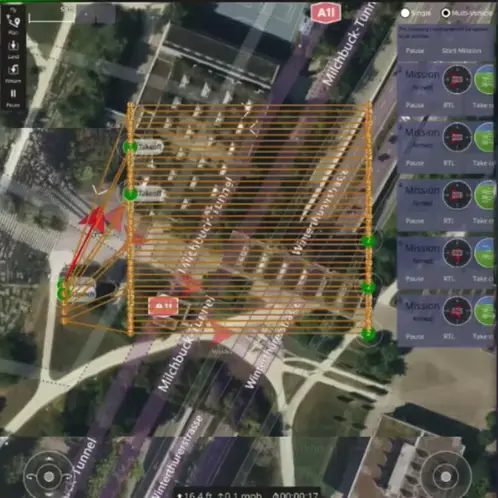
The platform integrates planning, deployment, and operational oversight into a single software layer rather than requiring operators to manage separate systems for each function. That consolidation matters for agencies that are not running dedicated drone operations centers — which is most of them.
On the regulatory side, SkyfireAI is building against a framework that does not yet fully exist. One-to-many autonomous operations are currently possible only through FAA waivers, and the anticipated Part 108 rulemaking is the regulatory event the company is positioning toward. The platform is designed to operate within current constraints while the rules catch up to the capability. How quickly the FAA moves on Part 108 will have a direct effect on how fast SkyfireAI can deploy its full feature set with paying customers.
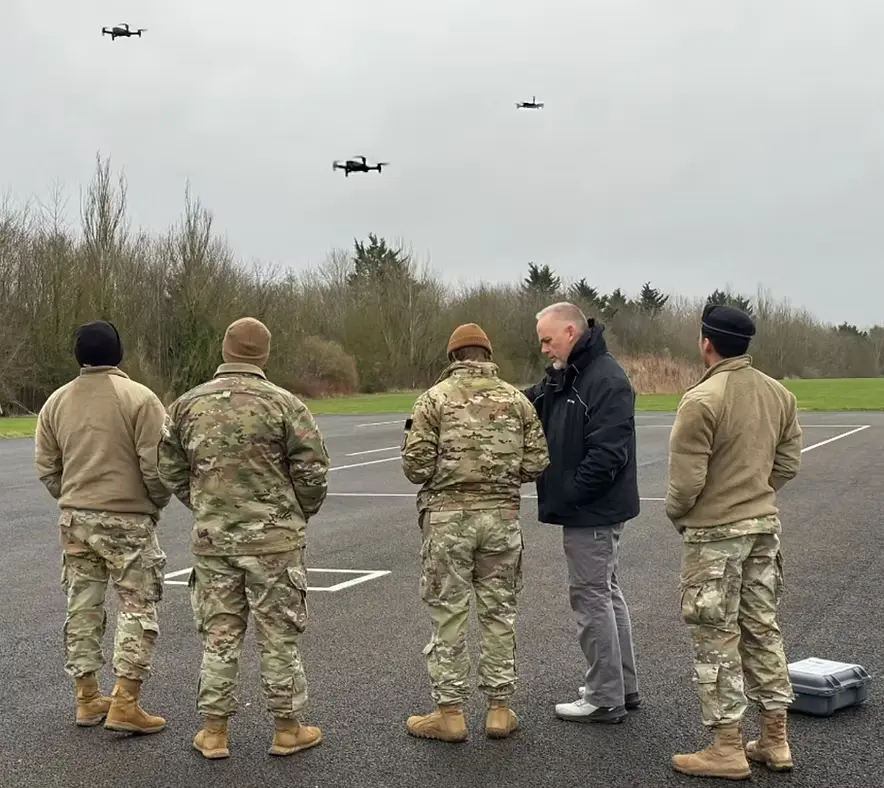
The seed funding covers platform development, team expansion, and additional public safety deployments. Defense is also cited as a target market — the same one-to-many orchestration problem exists in military small-unit drone operations, and Huntsville’s proximity to Redstone Arsenal suggests that customer relationship is already being cultivated.