
AEVEX Aerospace opened at $23.01 on its NYSE debut Friday, 15% above the $20 offer price, giving the Solana Beach, California defense drone maker a valuation of $2.57 billion on its first day of trading under the ticker AVEX.
The company raised $320 million by selling 16 million shares in its IPO, priced within the indicated $18 to $21 range. The opening pop signals institutional appetite for defense-linked drone exposure at a moment when governments across NATO are accelerating unmanned systems procurement and the DoD’s FY2027 budget proposal includes over $50 billion in requests for unmanned autonomous systems.
What AEVEX Actually Does
AEVEX operates across two segments. Tactical systems, which builds autonomous defense technologies, accounts for approximately 75% of total revenue. Global solutions provides aircraft modification and engineering support across manned and unmanned platforms. The U.S. government represented 78% of AEVEX’s revenue in 2025, a concentration that gives the company direct exposure to defense budget growth but also creates meaningful risk if procurement priorities shift or budgets are delayed.
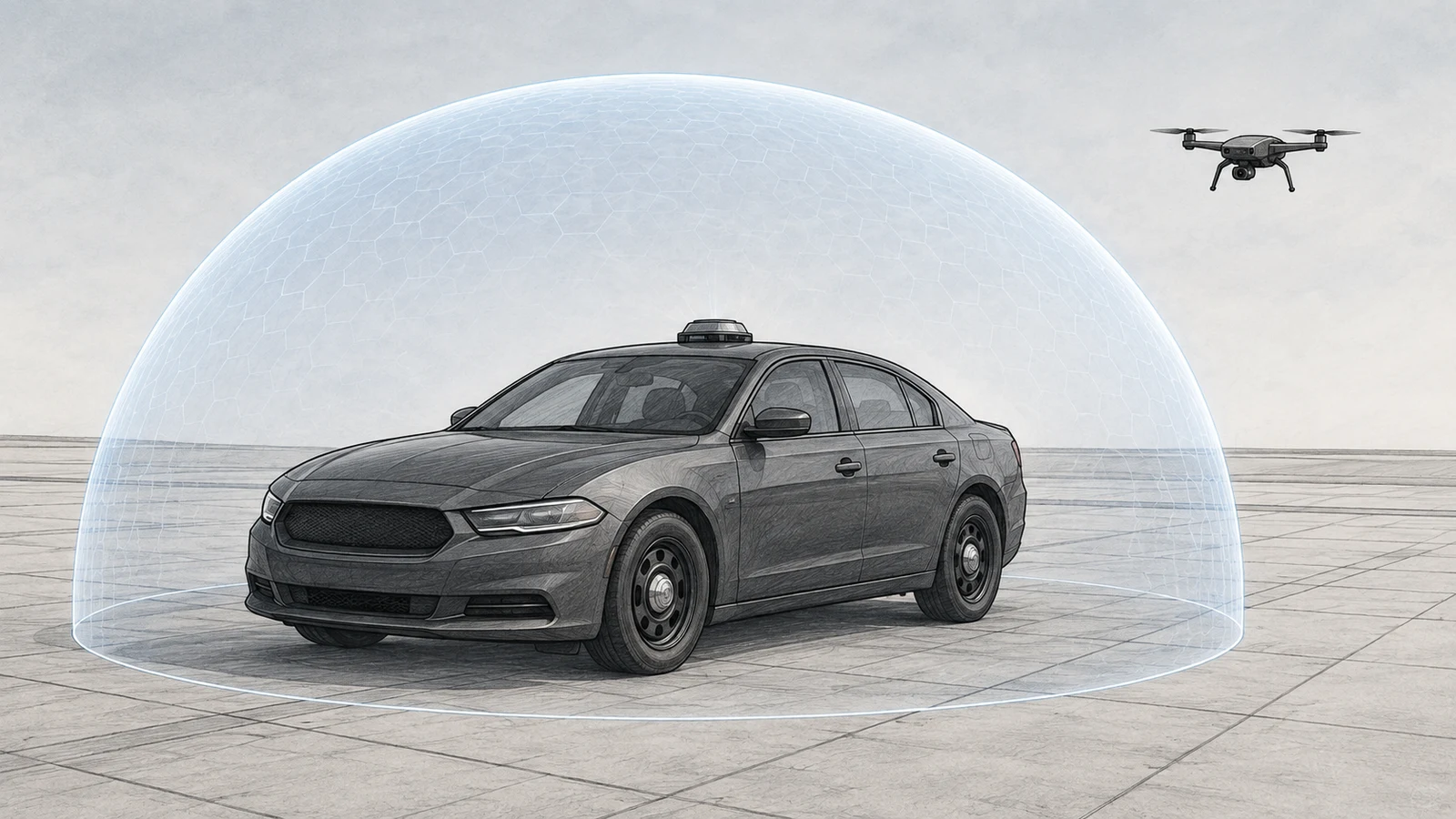
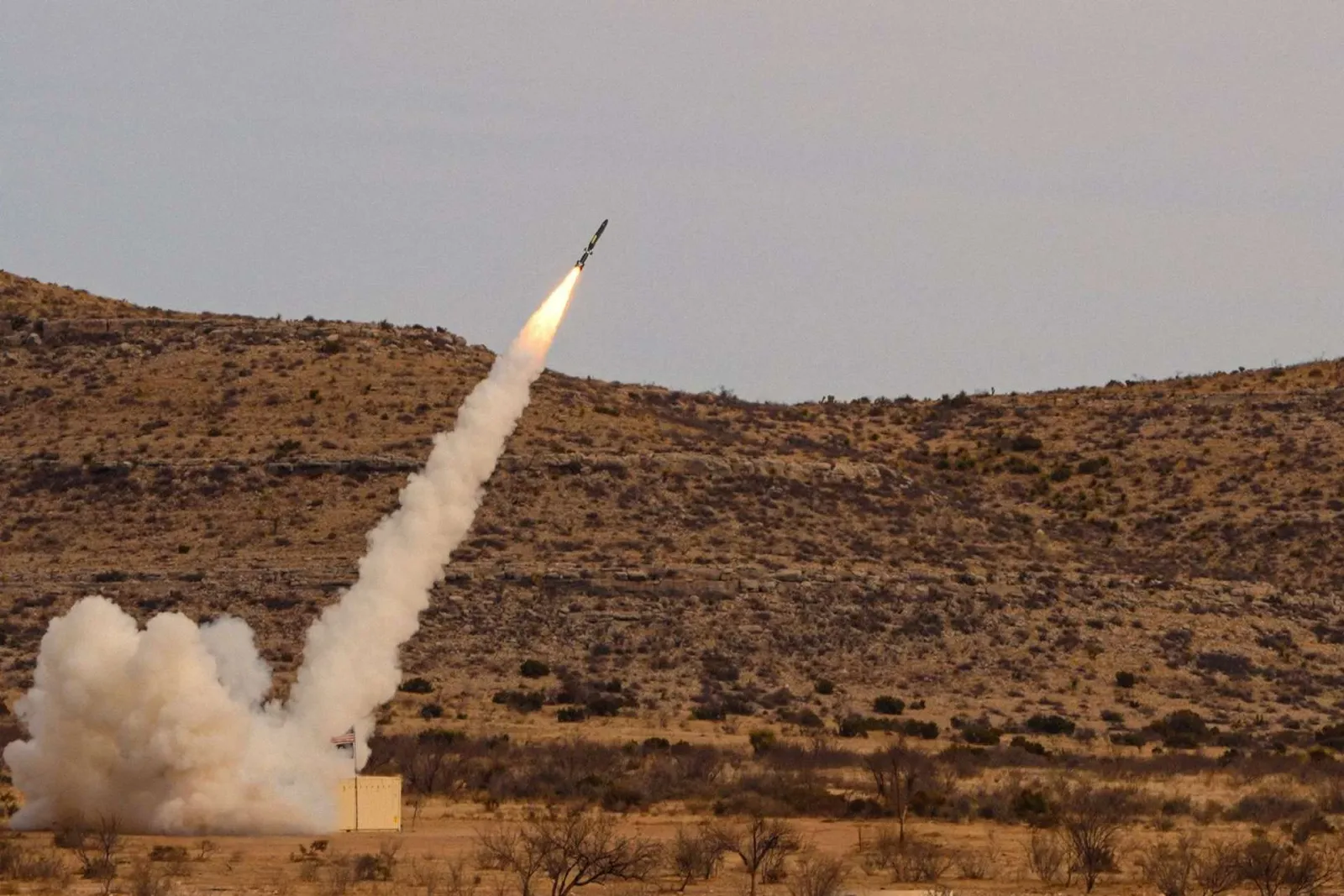
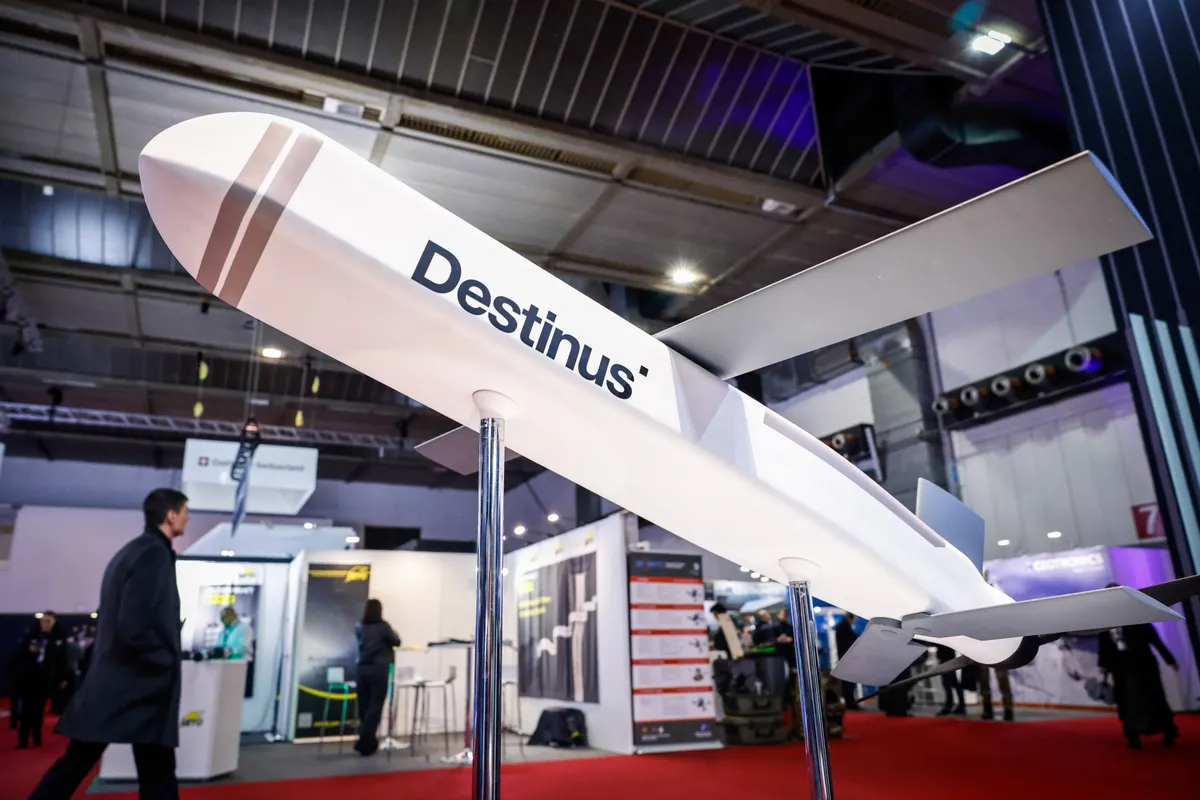
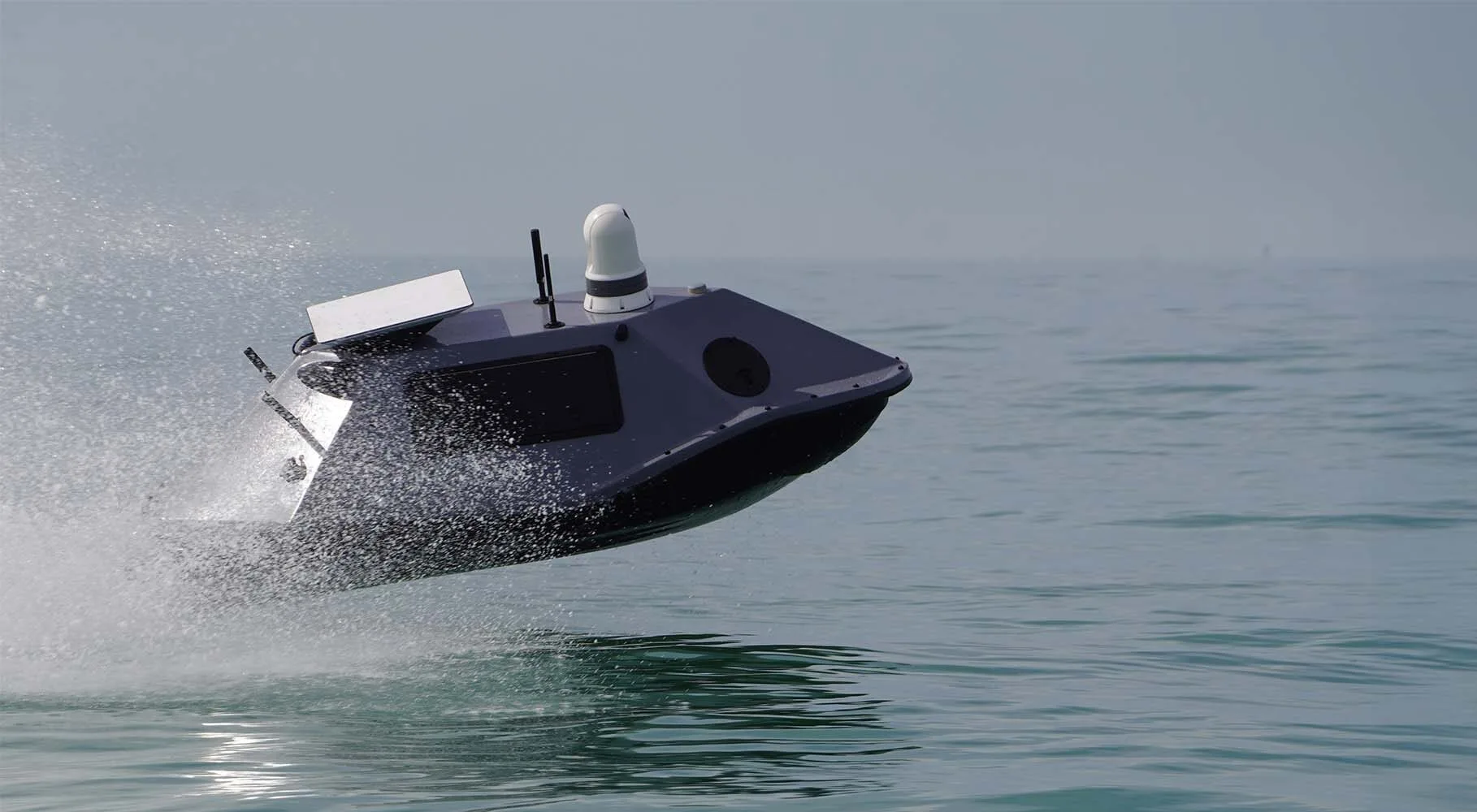
The company provides airborne ISR capabilities to the U.S. government and allied forces, with a portfolio that includes unmanned systems capable of delivering munitions, explosive payloads, and guided strikes. CEO Roger Wells cited the DoD’s FY2027 unmanned systems budget request as direct validation of AEVEX’s market position.
Where It Fits in the Public Drone Market
AEVEX’s listing adds a pure-play defense ISR company to a thin roster of publicly traded unmanned systems makers. Kratos Defense and AeroVironment are its closest public comparables, and both trade at significant premiums to traditional defense primes given their exposure to drone and autonomous systems growth. AEVEX competes with private companies including Anduril and Shield AI in the broader autonomous defense technology market.
Wells indicated the company intends to stay focused on its core defense business while selectively expanding into adjacent markets over time. With 78% government revenue concentration and over $50 billion in relevant DoD budget requests for FY2027, the near-term growth case is straightforward. The longer-term question is whether AEVEX can diversify its customer base before any shift in U.S. defense spending priorities puts pressure on that concentration.
How the stock performs in the weeks after the opening pop, once IPO enthusiasm fades and institutional holders begin establishing positions, will be the more meaningful valuation signal.