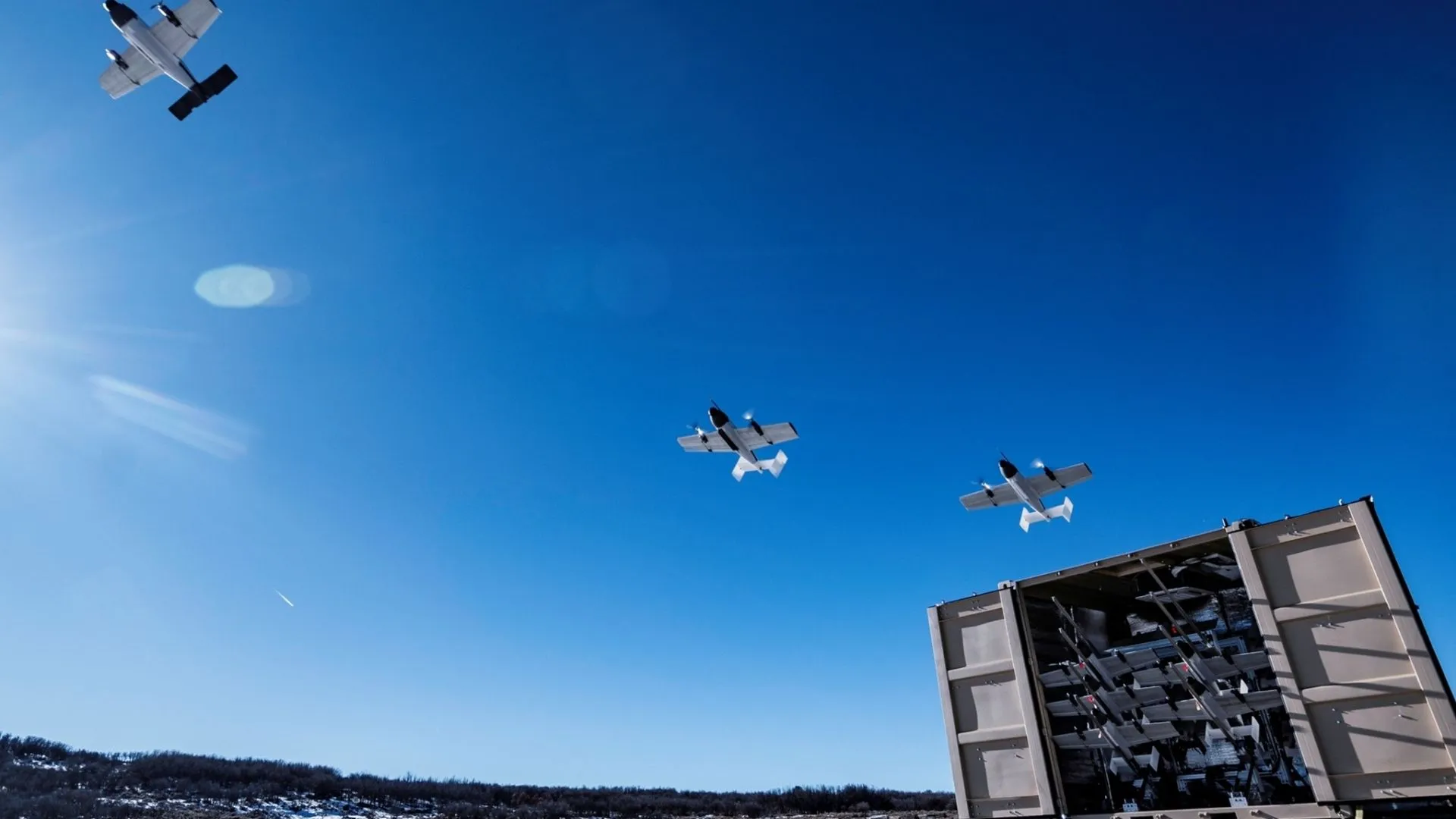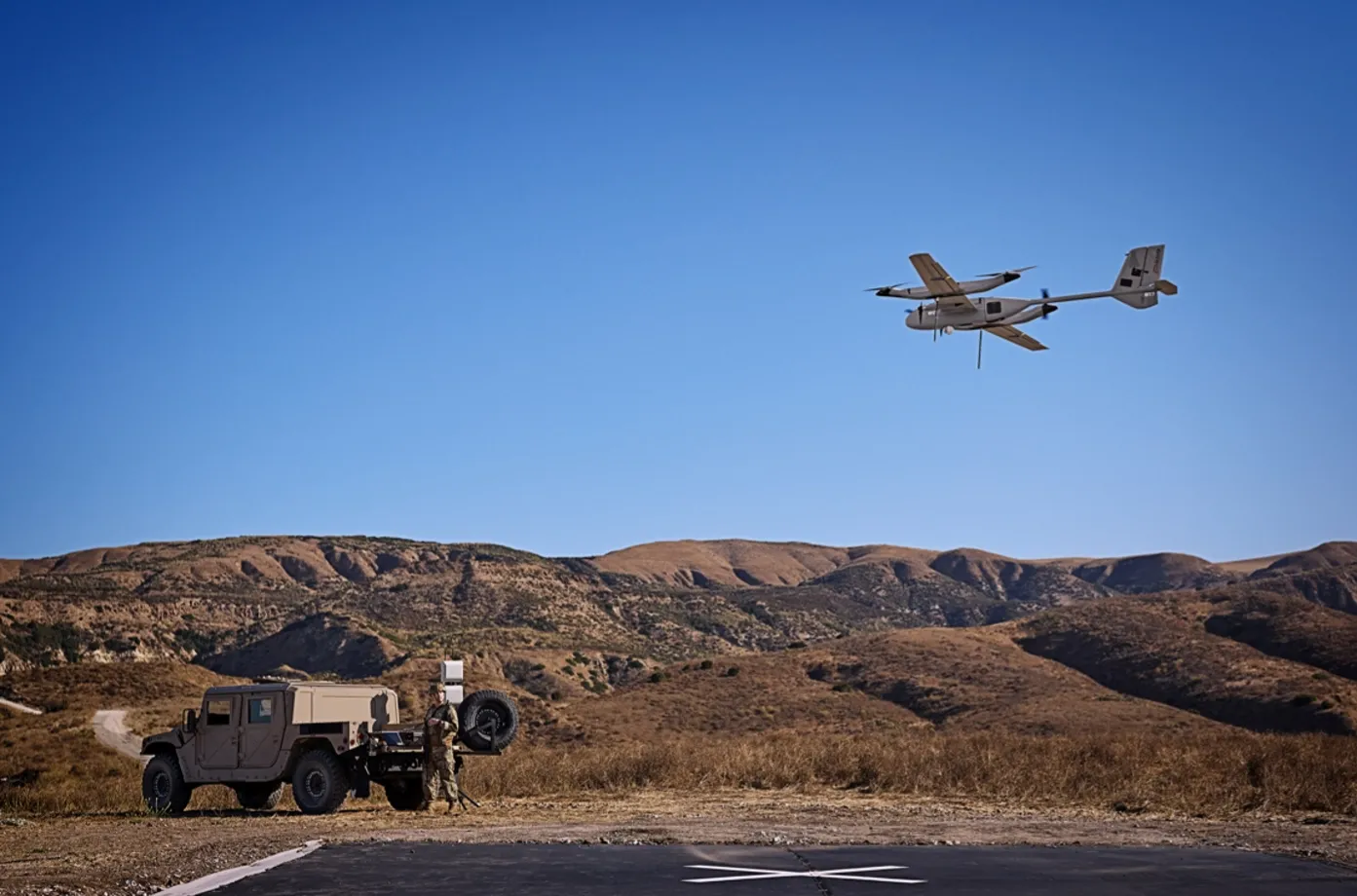

AeroVironment has won a U.S. Army prototype agreement for the Low-Altitude Stalking and Strike Ordnance program, putting its Switchblade 400 loitering munition into formal development and testing for anti-armor missions.
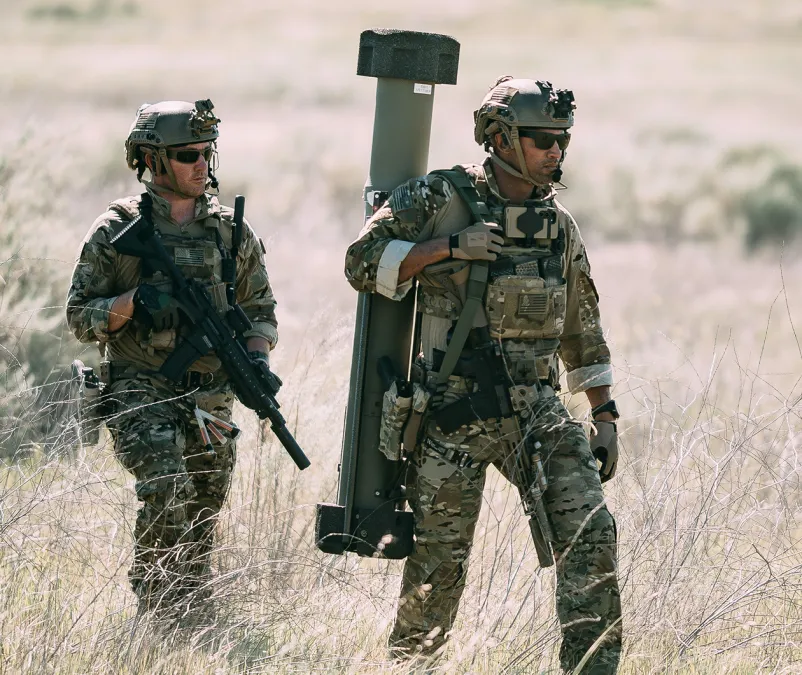
The LASSO award is the Army’s effort to field a medium-range, man-portable precision-strike system capable of operating in contested environments. Switchblade 400 weighs less than 40 pounds all-up, fits standard launch tubes, and is designed to be carried and deployed by dismounted soldiers — a meaningful constraint for an anti-tank weapon intended to operate without armored vehicle support.
What the Switchblade 400 brings to LASSO
The system integrates with AeroVironment’s AV Halo command-and-control architecture and includes aided target recognition for day and night operations. That autonomy stack — detecting, classifying, and engaging targets without continuous operator input — is what separates Switchblade 400 from earlier man-portable anti-armor systems. The munition is built to the Modular Open Systems Approach standard, which allows hardware and software upgrades without redesigning the entire system, a requirement the Army has pushed across its precision-strike programs to avoid vendor lock.
The LASSO award follows a $186 million Army delivery order AeroVironment received for Switchblade 600 Block 2 and Switchblade 300 Block 20 systems — two variants that have seen combat use in Ukraine and are already in production. The Switchblade 400 fills the gap between those platforms: more capable than the 300 against armored targets, lighter and more portable than the 600.
The prototype agreement funds development and testing before any full production decision. If LASSO progresses to a program of record, it would add a third production Switchblade variant to AeroVironment’s Army contract portfolio.