
WaiV Robotics
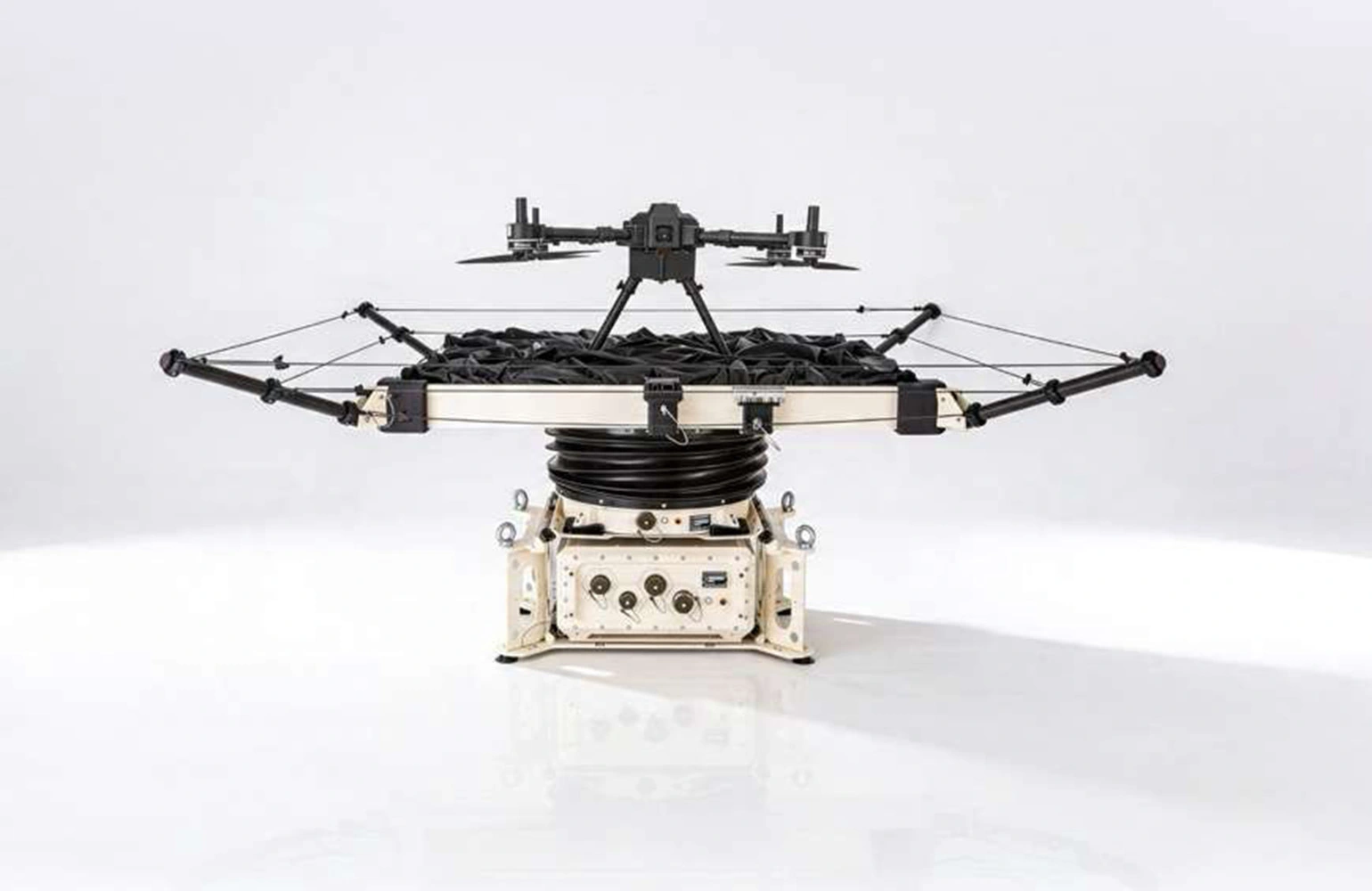
London-based startup building an automated, self-levelling landing and takeoff platform that lets VTOL drones launch and recover from moving vessels.
1 article
What It Is
WaiV Robotics is a London company building landing infrastructure for drones at sea. It came out of stealth on 5 May 2026 with a $7.5 million (€6.4 million) seed round and a single product: an automated platform that lets a VTOL drone take off from and land on a moving vessel without a pilot doing the difficult part. Johnny Carni is founder and chief executive. The company also operates a US entity, Waiv Robotics Inc., which it lists as based in Virginia.
The problem it targets is narrow and real. Drones can fly offshore perfectly well; recovering them onto a pitching deck is what stops smaller vessels from using them at all, and existing systems have largely been limited to calm water.
The Product
The platform is a gyro-stabilised, self-levelling pad with a patent-pending catch-lock-release mechanism that secures the aircraft on touchdown. Guidance software connects to the drone’s own remote control unit and imitates pilot inputs, which is how the company says it supports multicopter, fixed-wing and helicopter VTOL aircraft from different manufacturers without any modification to the aircraft itself. Radar or electro-optical sensors track the drone’s position relative to the pad, and predictive algorithms compensate for deck motion during the final approach.
The specifications are the company’s own. It says the current system handles UAVs up to 15 kg and works on vessels as small as 10 metres. A roadmap down to 3 kg aircraft and up to carrier-class platforms of 300 kg and above is a stated plan, not a shipped product. WaiV says it validated the system in simulation and then in real sea testing; it has not published results.
Business Position
The seed round is the only disclosed funding. WaiV has announced no revenue, contracts or named customers. It launched into the US offshore market at the Energy Drone and Robotics Summit in Houston in 2026, targeting offshore energy inspection, fishing, search and rescue, ocean research and coast guard work. Carni has said the company sells to end users today and may shift toward bundling with drone manufacturers — an intention rather than an arrangement.
Why It Matters
If the recovery problem is solved reliably for small vessels, the addressable fleet for offshore drone work expands by an order of magnitude, because it stops being restricted to ships with helidecks and calm-weather windows. That is a genuine bottleneck and few companies are working on it directly.
Everything else about WaiV is still ahead of it. One product, one round, four months out of stealth, no public deployments, and performance claims that rest on trials the company describes but has not shown. The maritime autonomy market is also unforgiving about sea state: a system that works to a given wave height in testing is a very different proposition from one operators trust with an expensive aircraft in a rising swell.