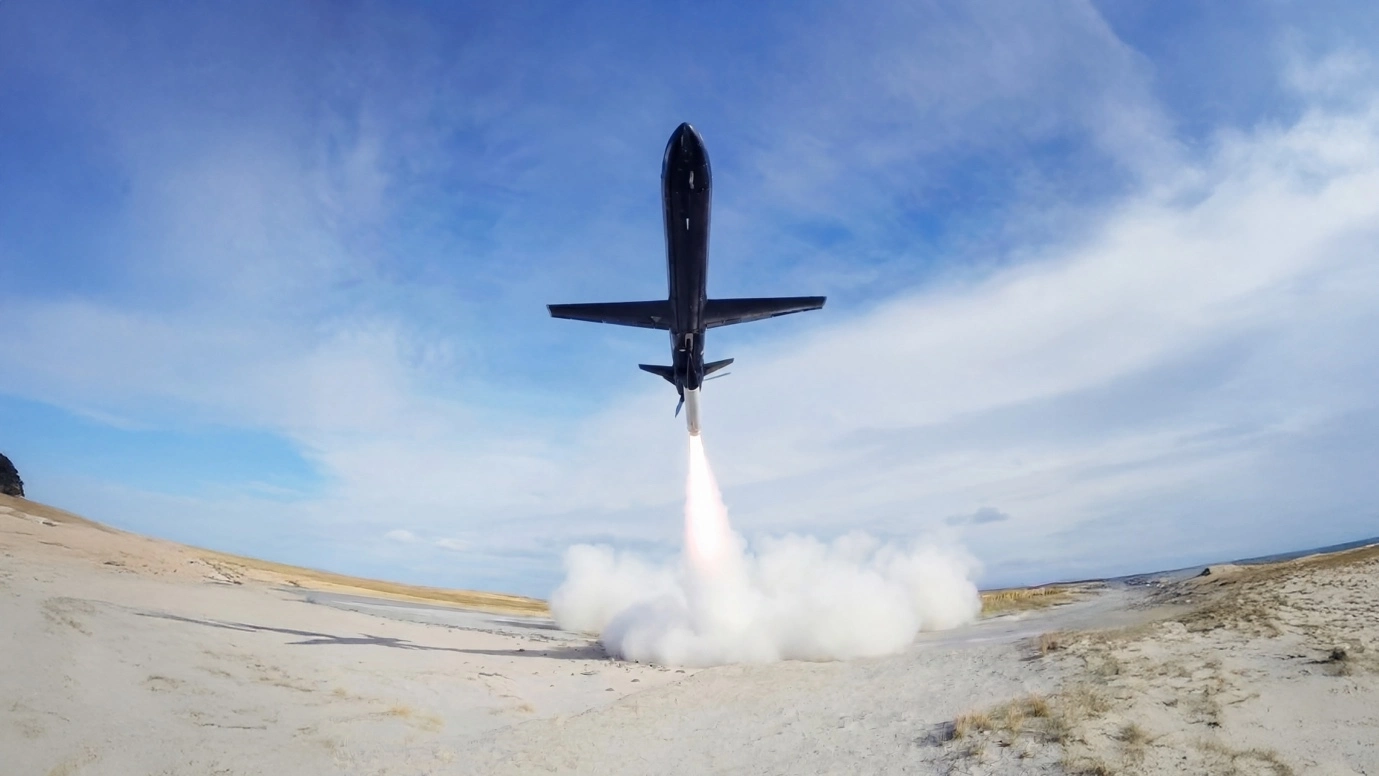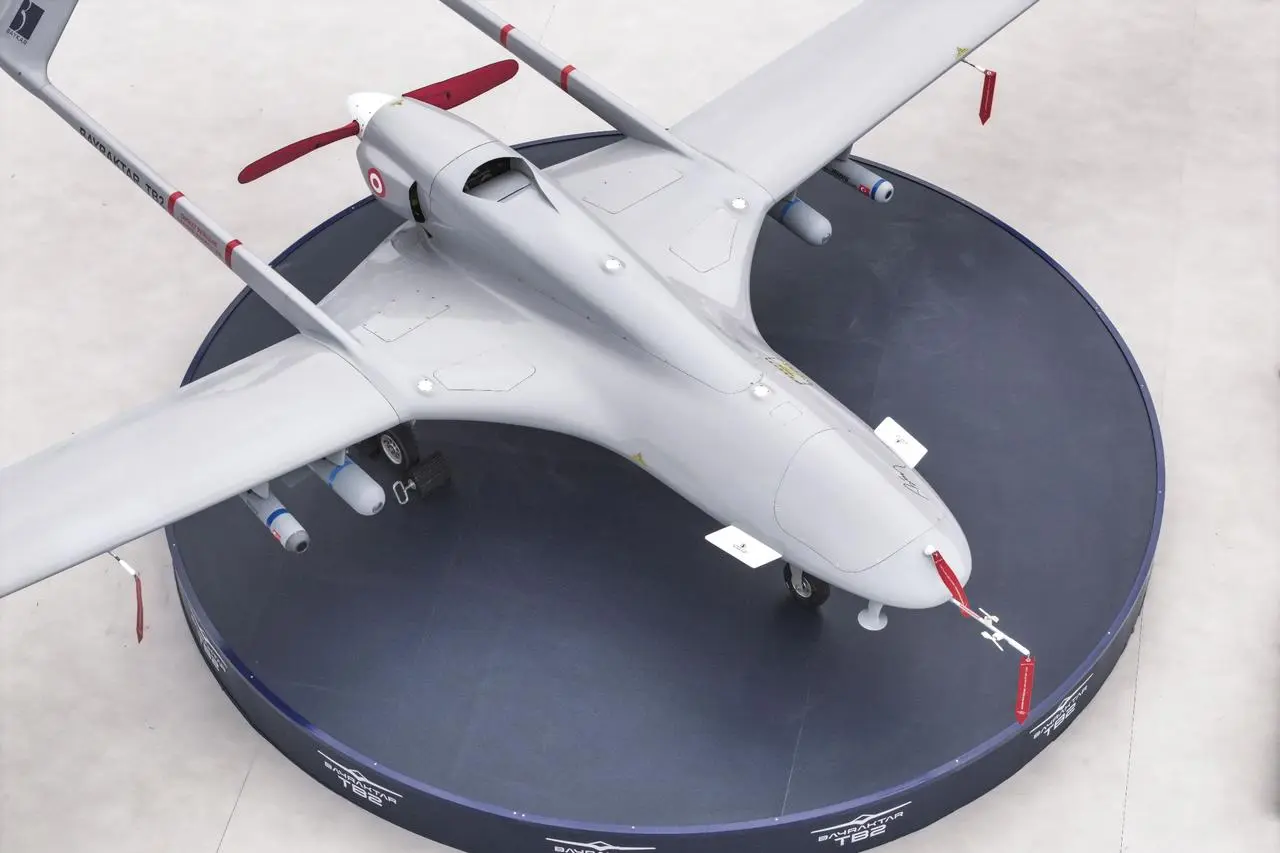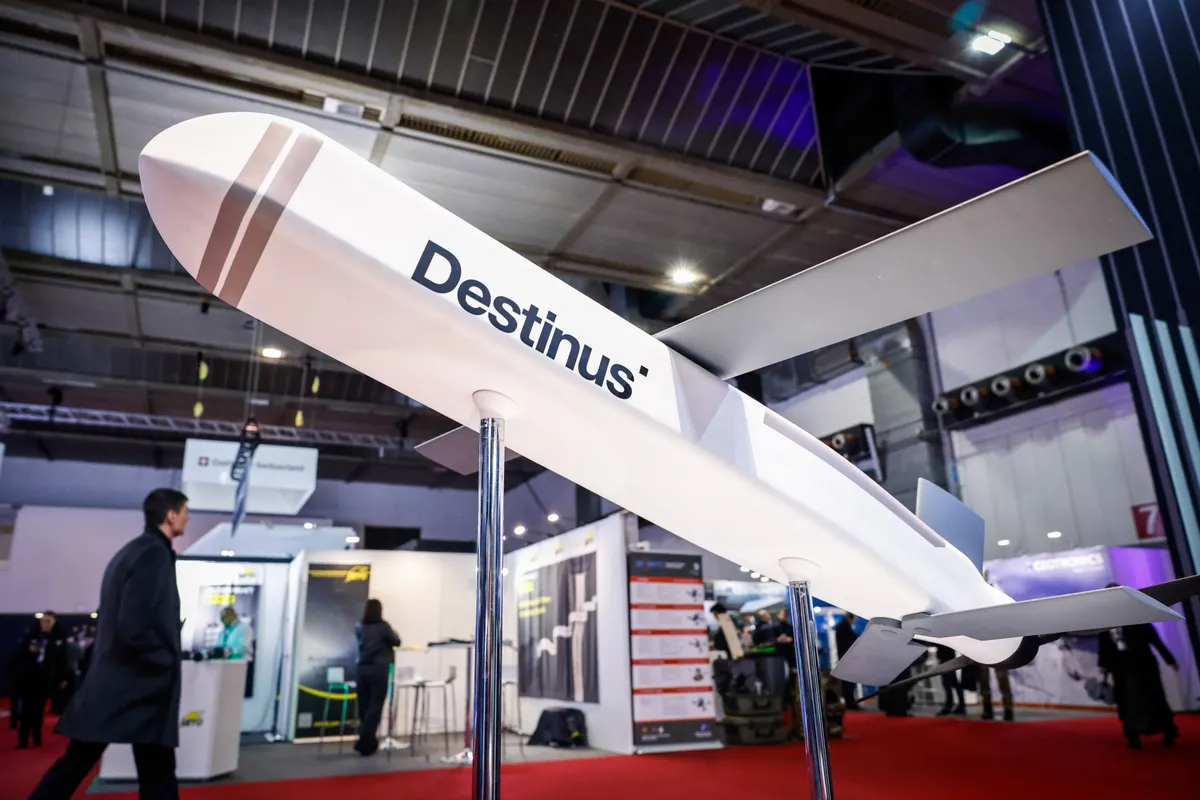


Germany’s Bundestag has approved a defence package worth up to €2.4 billion for combat drones, with Rheinmetall receiving an initial €298 million contract to supply AI-enabled strike systems for the Lithuanian Brigade — the NATO force of roughly 5,000 troops stationed in Lithuania to defend the alliance’s eastern flank against Russia.
The Rheinmetall contract follows awards made in February to German startups Helsing and Stark Defence for similar systems, indicating a coordinated procurement strategy rather than a single vendor bet. The drones will carry AI-driven targeting sensors but retain human authorisation for final strike decisions — the political formula that allowed armed drone procurement to pass a Bundestag that spent years resisting it.
From Political Taboo to €2.4 Billion
Armed drones were genuinely controversial in Germany until recently. The ethical and constitutional debates ran for over a decade, with successive coalition governments unable to reach consensus on whether the Bundeswehr should operate lethal unmanned systems at all. Ukraine ended that debate faster than any parliamentary process could have.
The shift isn’t just attitudinal. Germany is now procuring combat drones, funding Ukrainian drone production, committing €10 billion to its own drone stockpile program, and integrating unmanned systems into NATO forward deployments — all within roughly 18 months. The Lithuanian Brigade contract is the most concrete expression of that shift: not a study, not a pilot, but a funded procurement for a named unit on a specific flank.
Why the Lithuanian Brigade and Why Now
The Lithuanian Brigade is Germany’s most visible NATO commitment — a forward-deployed force on the alliance’s most exposed eastern border, positioned as a tripwire and a deterrent. Equipping it with AI-enabled strike drones is a deliberate signal: Germany is building a force that can both see and hit targets without waiting for reinforcement from further west.
The Ukraine war has compressed European procurement timelines in ways traditional defence acquisition wasn’t designed for. New drone capabilities are emerging every three to six months on the battlefield. A system procured today risks being outpaced before it reaches operational units. Germany’s response — multiple parallel contracts with both established primes like Rheinmetall and startups like Helsing — is an attempt to hedge against obsolescence by maintaining multiple development tracks simultaneously.
Whether that strategy works depends on integration. Individual drone contracts are straightforward. Building a coherent, interoperable unmanned system across multiple vendors and NATO command structures is the harder problem, and the one that will determine whether the €2.4 billion buys deterrence or just hardware.
If the Lithuanian Brigade deployment succeeds, it gives other European NATO members a procurement template to follow. If it stalls — through delays, integration failures, or technology that ages out before deployment — it exposes the gap between Europe’s defence spending commitments and its ability to field capable systems on the timelines the threat requires.