

DroneShield
Australian counter-drone company producing detection, tracking, and defeat systems for military, government, and critical infrastructure customers.
2 articles
DroneShield
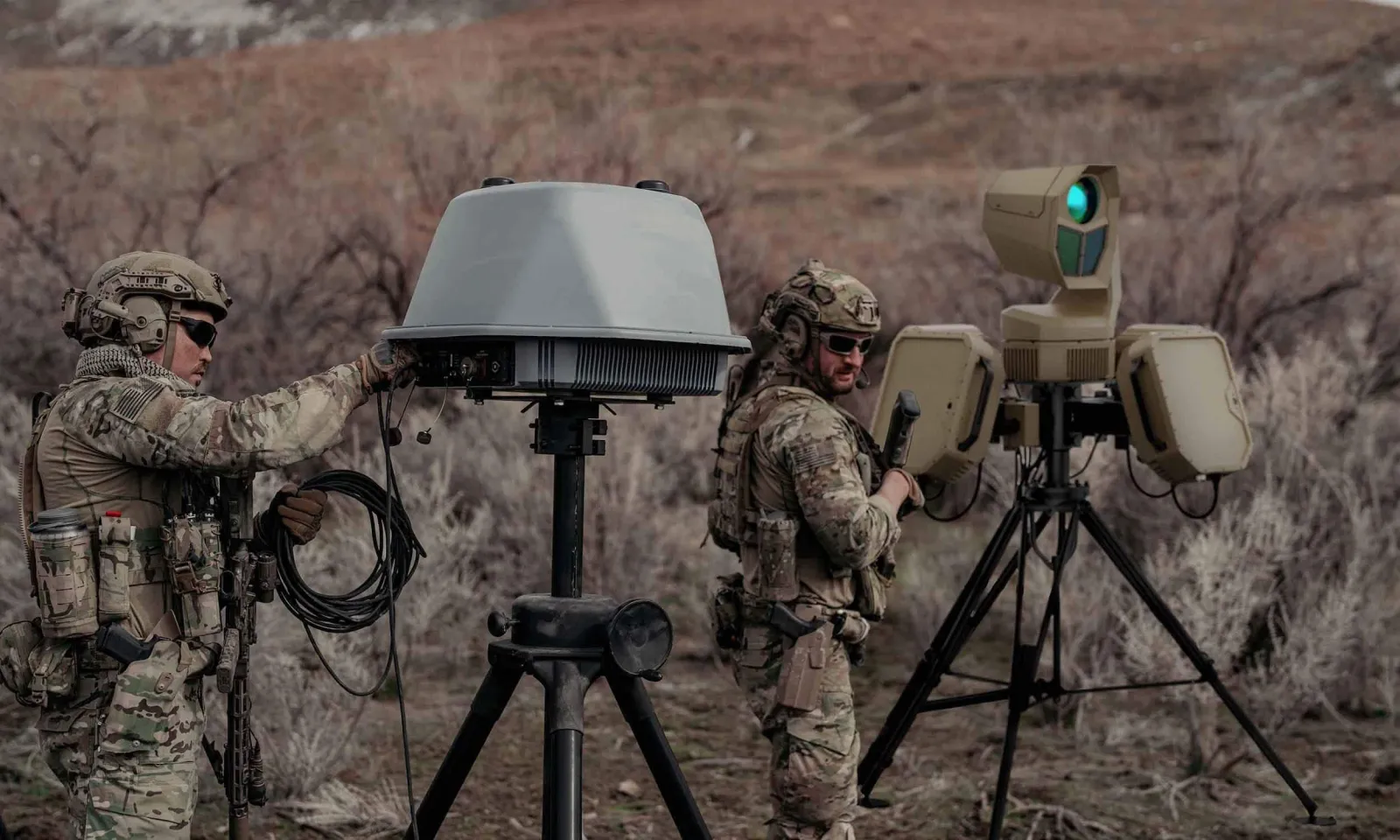
DroneShield is an Australian counter-UAS company headquartered in Sydney, producing systems that detect, track, identify, and defeat unauthorized drones. Its product line spans handheld RF jammers, vehicle-mounted defeat systems, and fixed-site detection networks. Primary customers are military forces, government agencies, and critical infrastructure operators across NATO and allied nations.
Key Products
DroneShield sells dismounted, on-the-move and fixed-site counter-drone systems, plus software and subscription services. Its current material describes RF sensing, AI, sensor fusion and electronic-warfare capabilities; the 2026 half-year report identifies RfRecon as its flagship next-generation solution. Product effectiveness and range claims are not repeated here because the company has not independently published comparable test data for them.
Business and Funding
Publicly traded on the Australian Securities Exchange as DRO. For the half year ended 30 June 2026, DroneShield reported revenue of AUD 125.8 million, up 74 percent year on year, and recurring revenue of AUD 11.5 million, up 229 percent. It reported a statutory loss after tax of AUD 32.2 million, compared with a AUD 2.1 million profit in the prior-year period. Underlying EBITDA was a AUD 12.4 million loss. Cash and term deposits totalled AUD 180.0 million at 30 June, and the company reported no debt.
The company attributed lower gross margin to product mix, currency movements and raw-material impairment during a factory relocation and ERP implementation. In April 2026 Angus Bean succeeded Oleg Vornik as chief executive; Hamish McLennan became chairman in May.
Why It Matters
DroneShield is a publicly listed counter-drone specialist, making its reporting a useful benchmark for a sector largely made up of private companies. Revenue and recurring revenue grew quickly in the first half, but that growth came with a statutory and underlying loss as the company invested in production, product development and global operating capability. Military customers accounted for 85 percent of first-half revenue, so the company remains exposed to the timing and concentration of government procurement.
Coverage
Topics
Guides
Guide
Counter-Drone Technology: How Militaries Defeat UAVs
Radar, jamming, lasers, interceptors and drone-on-drone — how counter-UAS works, who leads it, and who is legally allowed to shoot a drone down.
Guide
Drone Stocks 2026: Every Publicly Traded Drone Company
Every publicly traded drone and eVTOL stock after the 2026 selloff: tickers, market caps, revenue, backlogs, and which businesses the numbers actually support.