
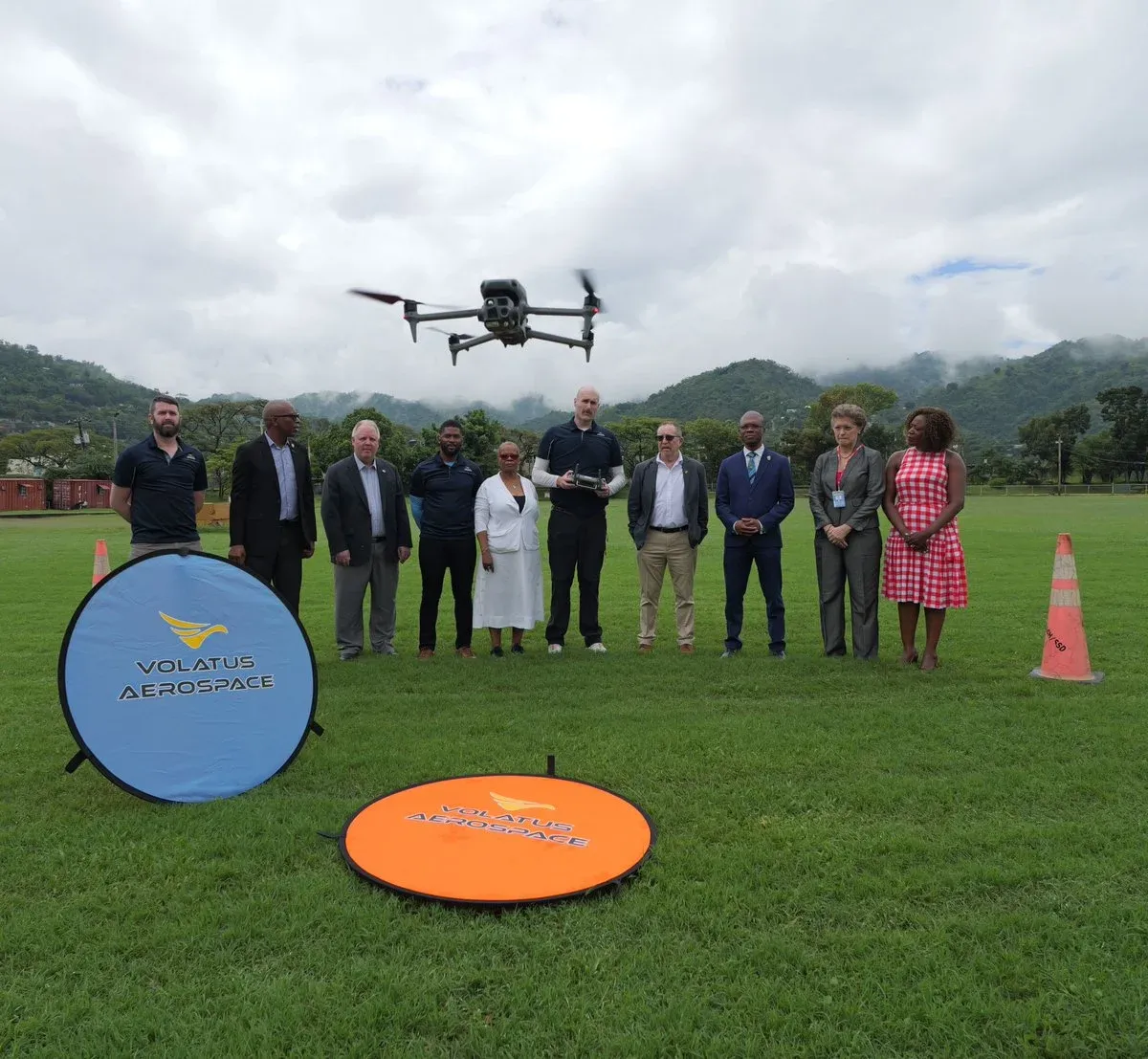
Volatus Aerospace has been awarded a multi-year drone training contract with a NATO-allied government ministry worth up to CAD $2.1 million in aggregate, the Canadian company announced April 20. The contract, secured through competitive procurement, tasks Volatus with designing and delivering advanced training programs for security and law enforcement personnel operating uncrewed and autonomous systems in regulated, mission-critical environments.
The initial term runs two years, with renewal options that bring the total to the CAD $2.1 million figure. The allied government ministry was not named.
What the Contract Covers
The scope includes instruction and curriculum development tailored specifically to security and law enforcement requirements, a distinct training need from military drone programs, where personnel already operate within established doctrine and chain of command. Law enforcement and security agencies adopting uncrewed systems face different regulatory environments, rules of engagement considerations, and operational contexts that standard military training pipelines do not address.
Volatus positions itself at the intersection of technology development and operational experience, a model that allows it to update training curricula as platforms and regulations evolve rather than delivering static programs that age quickly in a fast-moving sector.
The Market Behind This Contract
NATO-allied governments are accelerating uncrewed systems adoption across both military and security applications, driven by the operational lessons from Ukraine and the growing use of drones in domestic public safety roles. Training infrastructure is a known bottleneck, as procurement of hardware frequently outpaces the development of qualified operators, particularly in law enforcement agencies that lack organic military training pipelines.
Canada has positioned itself as a provider of drone training and advisory services to allied markets, and Volatus is among the Canadian companies pursuing international contracts under that model. The multi-year structure provides revenue visibility while the company builds a track record of sovereign capability transfer to allied nations, the type of reference contract that supports future bids in larger NATO procurement programs.
The identity of the contracting ministry will likely remain undisclosed for the duration of the agreement. Whether Volatus converts this engagement into additional contracts with the same partner or uses it as a reference for expansion into other NATO markets will be the indicator of whether the company’s international training strategy is gaining traction.