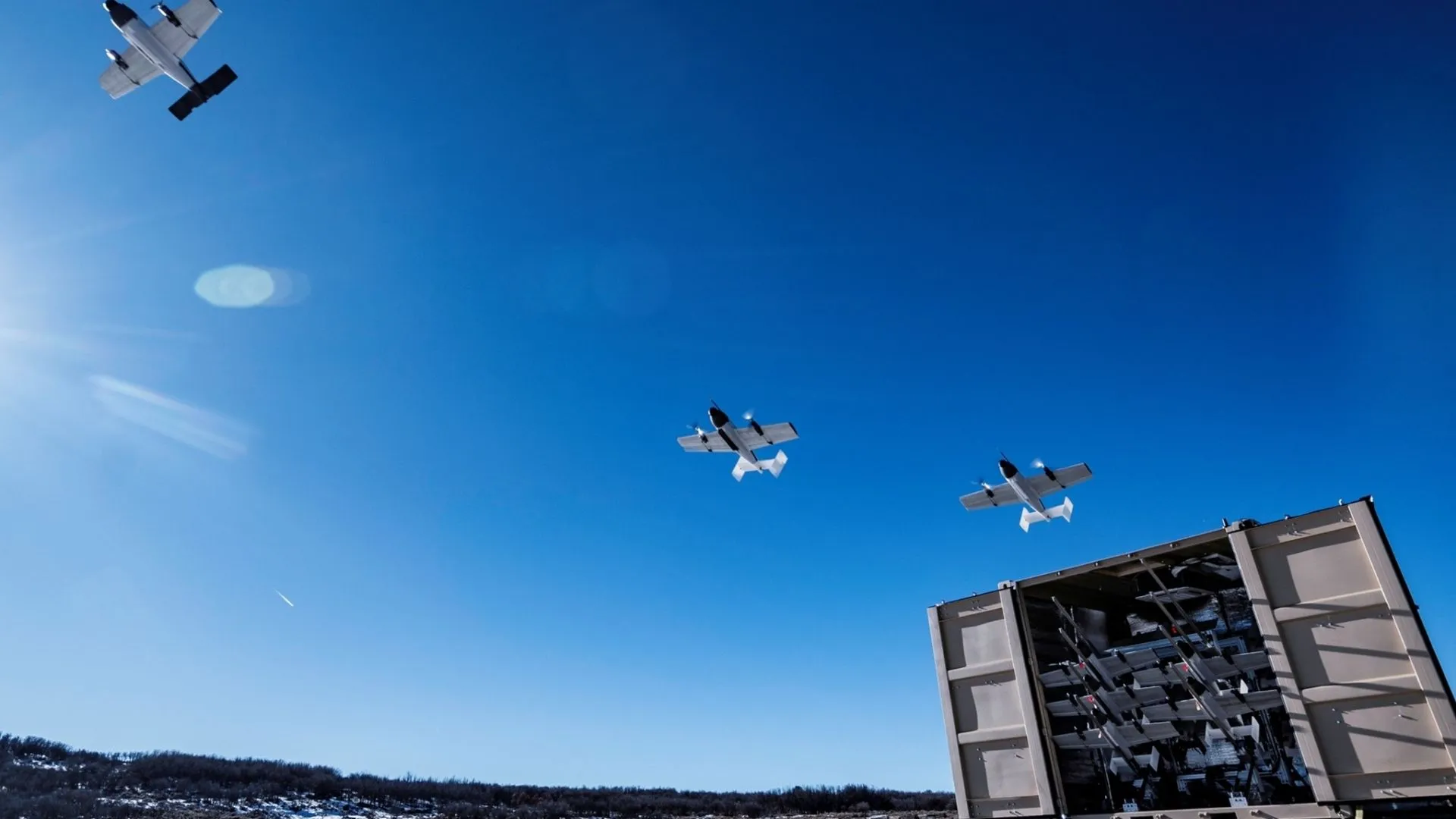

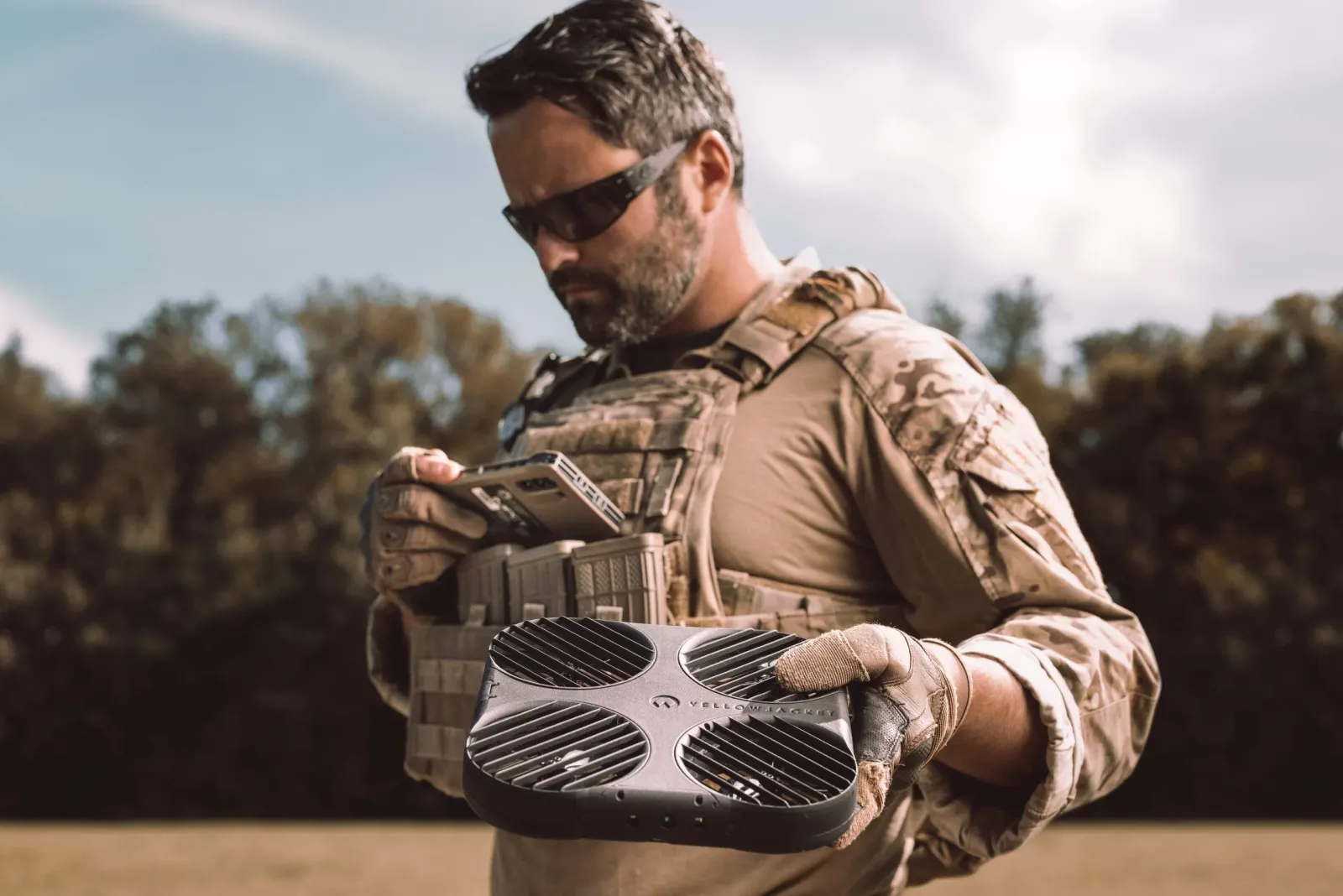
Darkhive, a Texas-based drone startup founded in 2021, has received a $49.7 million Pentagon contract — the largest award to date under the Accelerate the Procurement and Fielding of Innovative Technologies program.
APFIT is designed to pull proven technology from research into fielded systems faster than traditional procurement allows. The contract covers Darkhive’s tactical drones, software, and real-time communications infrastructure tied to the U.S. Army’s command-and-control-at-the-tactical-edge initiative — systems that let troops operate drones and make decisions without relying on centralized command or continuous GPS connectivity.
Why the Pentagon Picked a Garage Startup
Darkhive has moved from a garage operation to a funded defense contractor in under five years. The company had previously secured roughly $14 million in federal contracts and closed a $21 million private investment round before this award. CEO John Goodson credited that earlier support with allowing the company to iterate quickly on Air Force-specific requirements.
The APFIT selection reflects a deliberate Pentagon push toward smaller, more agile vendors alongside the traditional prime contractors. The program’s explicit goal is speed — getting proven systems into soldiers’ hands faster than the standard acquisition timeline permits.
What the Contract Covers
The $49.7 million award funds scaling of Darkhive’s production capacity and its communications technology for battlefield use. The tactical-edge focus means the systems are built to function in degraded environments — where GPS is jammed, communications are disrupted, or troops are operating far from any command infrastructure.
That capability has become a priority as drone-heavy conflict in the Middle East and Ukraine has demonstrated how quickly autonomous systems can shift battlefield dynamics when communications and GPS are contested.
The next milestone to watch is whether Darkhive’s production scale-up delivers hardware on the timeline APFIT contracts demand — the program’s value proposition depends entirely on speed of fielding.