
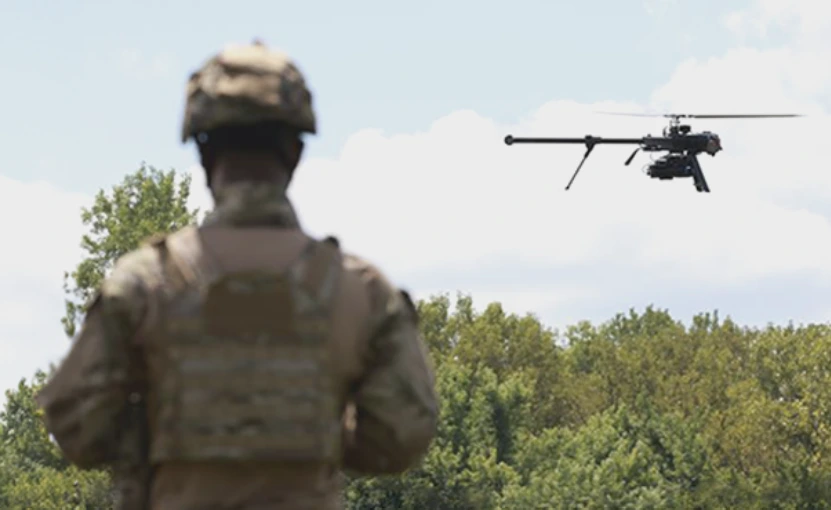
AeroVironment received a $14.6 million US Army production contract on April 20 for its VAPOR CLE electric VTOL drone, awarded under the Company-Level Directed Requirement Small Uncrewed Aircraft System program’s Tranche 2. The contract ties to the Army’s Medium Range Reconnaissance initiative, which is focused on getting fielded commercial drone systems into Brigade Combat Teams quickly rather than waiting on long development cycles.
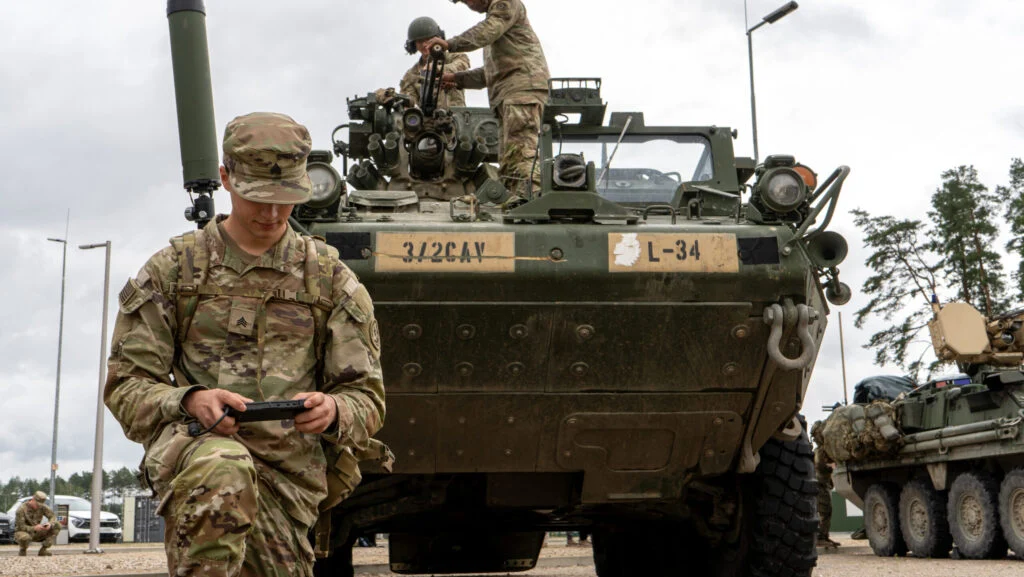
The CoLvl DR SUAS program procures complete packages - air vehicle, control systems, and interchangeable payloads - rather than individual aircraft. Brigade Combat Teams receive integrated kits they can adapt to reconnaissance, surveillance, and target acquisition missions, with feedback from field use informing how requirements evolve in subsequent tranches.
What the VAPOR CLE Brings to Brigade Level
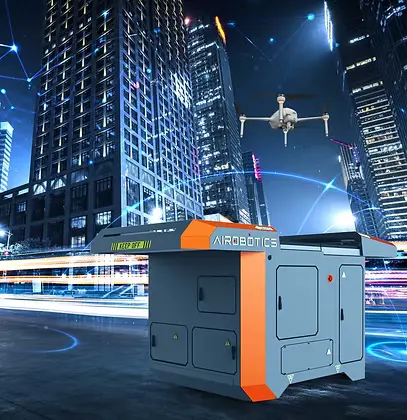
The VAPOR CLE is a helicopter-style electric VTOL with up to two hours of endurance and 24-pound payload capacity - figures that position it above most sub-kilogram tactical quadcopters while remaining compact enough for small-unit operations without prepared launch infrastructure. Its modular payload architecture lets operators swap sensors between missions without reconfiguring the airframe, which is the specific flexibility the CoLvl DR program is designed around.
The electric propulsion reduces logistical overhead compared to fuel-powered platforms: no fuel storage, no fuel handling, simplified maintenance. That tradeoff accepts shorter endurance relative to heavy-fuel systems like the V-BAT but makes sense at the company level where proximity to power sources is more manageable than at extended range.
The VAPOR CLE’s VTOL capability removes the runway and catapult requirements that limit fixed-wing reconnaissance platforms in confined terrain, urban environments, and maritime operations - all environments the Army’s Medium Range Reconnaissance initiative specifically addresses.
The Army’s Accelerated Fielding Approach
The CoLvl DR structure reflects a deliberate shift away from the Army’s traditional acquisition model. Rather than developing requirements, running a competition, and fielding years later, the program selects existing systems and refines requirements based on what soldiers actually encounter using them. Tranche 2 builds on whatever lessons emerged from Tranche 1 fielding, compressing the feedback loop between operational experience and procurement decisions.
AeroVironment holds a significant position in Army small UAS procurement through its Puma, Raven, and Switchblade programs. The VAPOR CLE contract extends that relationship into the medium-range VTOL category at brigade level - a segment the Army is actively expanding as drone operations move down from battalion to company-level formations. Whether additional tranches follow will depend on Brigade Combat Team feedback and how the VAPOR CLE performs against the reconnaissance requirements the Medium Range initiative is trying to close.