

ZenaTech posted $12.9 million in full-year 2025 revenue — a 558% increase from $2.0 million in 2024 — almost entirely on the back of an acquisition-driven Drone as a Service segment that didn’t exist at the start of the year.
The Vancouver-based company completed 20 acquisitions during 2025, assembling a network of land survey, mapping, inspection, and cleaning operators across the US, UK, and Canada. That DaaS segment generated $10.1 million, or 78% of total consolidated revenue, in its first full year. ZenaTech has since expanded to 24 DaaS locations globally.
The growth comes at a cost. The company reported a net loss of $45.2 million for the year — more than three times its total revenue — reflecting the capital intensity of buying and integrating 20 businesses in 12 months. Total assets grew 188% to $99.8 million, and cash and reserves increased 301% to $15.1 million, suggesting the acquisition pace was funded largely through equity rather than operating cash flow.
What the underlying business looks like
Strip out the acquisitions and ZenaTech’s organic software business grew 43% to $2.8 million — a more modest but cleaner number across 12 enterprise SaaS brands covering workplace scheduling, medical records, law enforcement data management, and warehouse management. The DaaS segment, by contrast, is essentially a roll-up of service businesses that happen to use drones, with ZenaTech’s own drone technology layered on top.
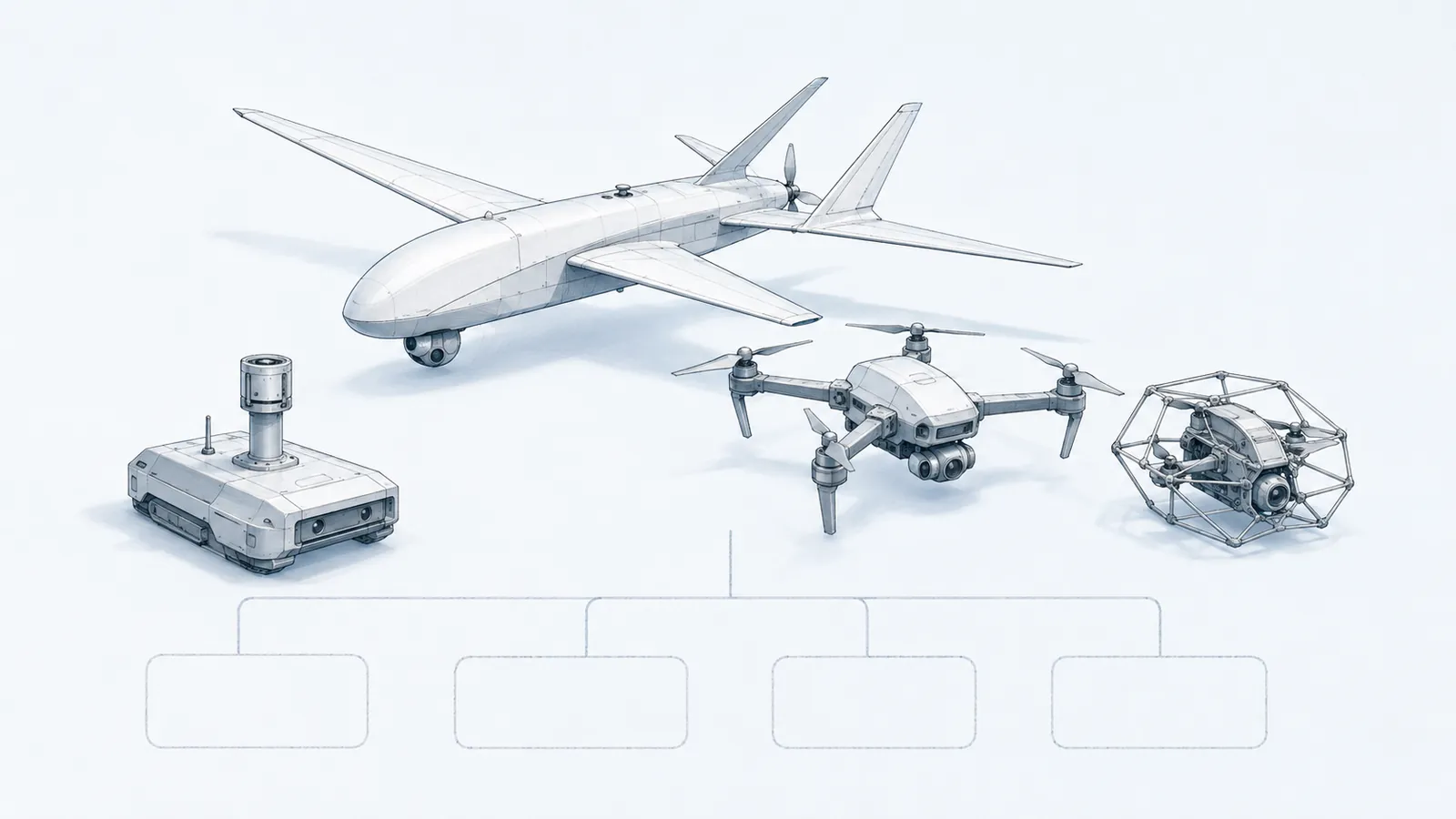
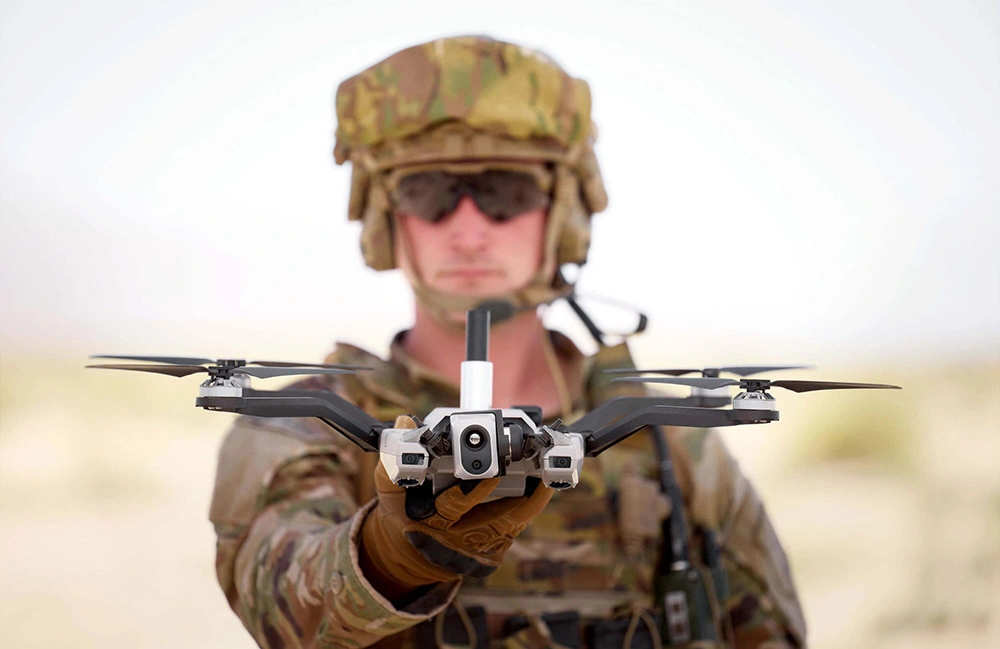
The company established manufacturing facilities in Ukraine, Taiwan, the UAE, and Mesa, Arizona during 2025 and is developing counter-drone products including the ZenaDrone 2000 and an interceptor platform called the Interceptor P-1, targeted at a sub-$5,000 price point. Three drone models are in the Green UAS certification process — a precursor to Blue UAS status required for US defense procurement.
The defense angle is early-stage
The Green UAS pipeline is worth watching but not yet material. Green UAS certification is a preliminary assessment tier; Blue UAS clearance, which opens DoD procurement, requires a separate and more rigorous process. ZenaTech’s quantum navigation software for GPS-denied environments and its counter-drone hardware are in development, not in production or under contract.
At $2.12 per share with a $45 million net loss on $12.9 million in revenue, the market is pricing ZenaTech as a growth story dependent on continued acquisition execution. Whether the DaaS roll-up generates sustainable margins — or whether the defense product pipeline converts to contracts — will determine whether the revenue trajectory continues without proportional losses.
ZenaTech’s next financial disclosure will show whether the 24-location DaaS network is generating positive unit economics or whether integration costs are compressing margins further.