
An internal People’s Liberation Army report on the future of air warfare, translated by the US Air Force’s China Aerospace Studies Institute, describes a doctrine built around autonomous drone swarms, AI decision-making, hypersonic weapons, and deliberate cognitive attacks on enemy command systems. The report — published in September in Liberation Army News, the PLA’s official paper — was assessed by CASI as carrying “the imprimatur of orthodoxy,” meaning it reflects official PLA thinking, not theoretical speculation.
The report’s central claim: “The future form of air warfare is ultimately and inevitably intelligentized aerial combat.”
What the PLA Means by Intelligentized Warfare
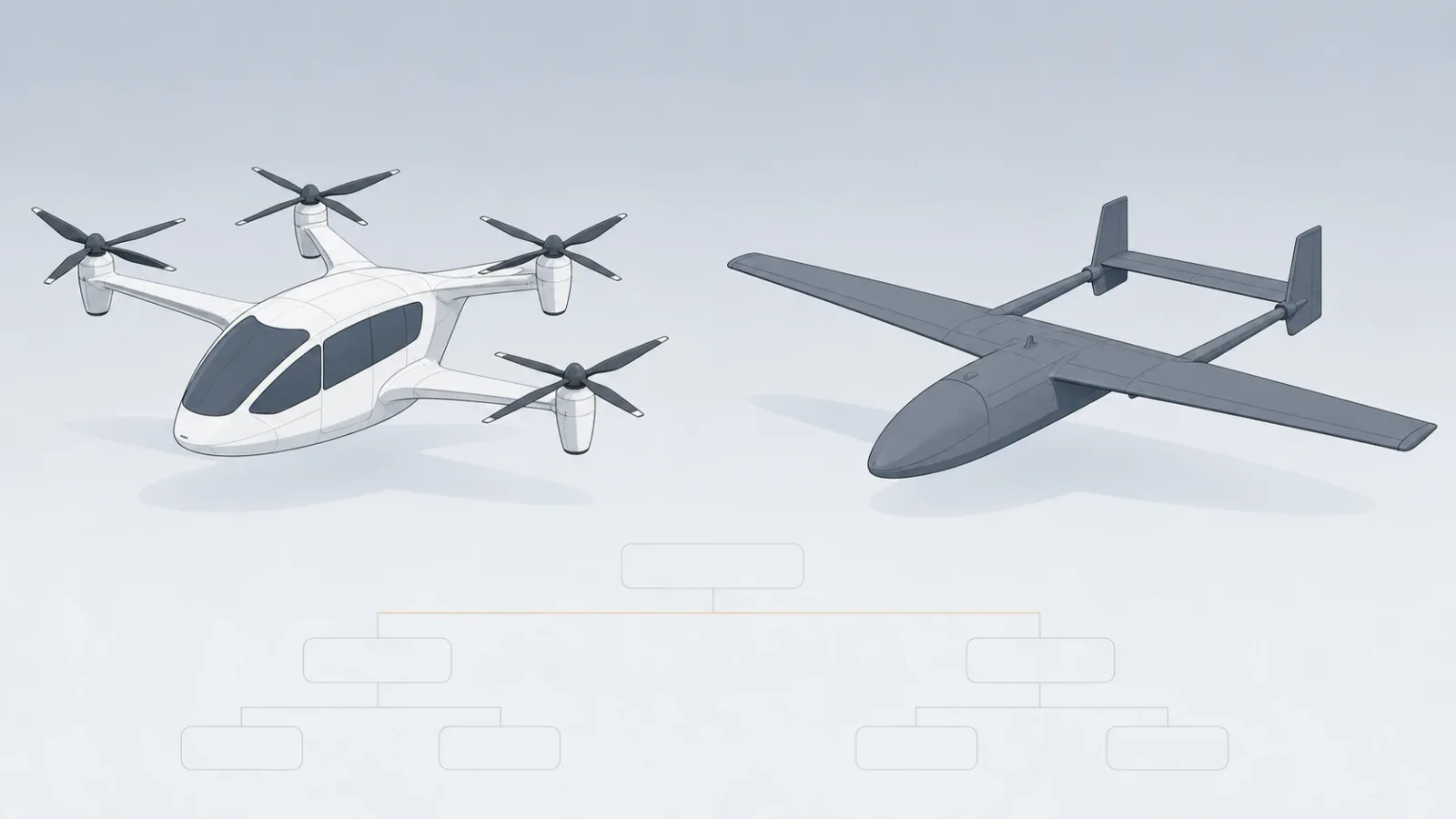
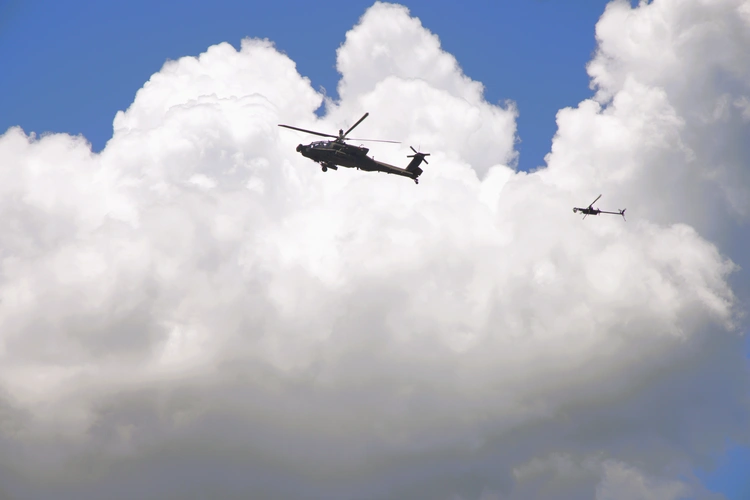
The report describes a combat architecture where uncrewed systems operate in swarms under AI decision-making, with crewed aircraft directing drone formations that provide sensors and extend weapons reach. The PLA’s term for this is “system-of-systems operations” — independent, self-adaptive, self-coordinating platforms networked under a central AI management layer rather than controlled by individual human operators.
The near-term form this takes, according to the report, is distributed aerial combat with stealth aircraft, hypersonic missiles, and beyond-visual-range attacks as the primary mode. Stealth aircraft carrying long-range air-launched missiles become nodes in a networked aerospace system, dispersed across a broad area, executing strikes from outside visual range while integrated sensing systems provide the targeting picture.
The report describes current PLA development toward this model as “fast and ferocious.”
The Cognitive Warfare Component
The most operationally significant section of the report is not about hardware. It describes a hybrid warfare model that combines physical strikes against weapons and equipment — what the report calls “hard kills” — with information operations designed to collapse enemy decision-making.
The specific methods named include deep fakes, algorithmic fog, and virus infections targeting enemy AI and battle management systems. The goal is described as producing “cognitive collapse and degradation of the enemy’s air warfare system of systems” — not just destroying aircraft, but destroying the opponent’s ability to process information and make decisions at the speed modern air warfare demands.
The report frames this as a convergence of conventional firepower and cognitive power, attacking both the physical and information domains simultaneously.
Three Emerging Warfare Concepts
The report names three doctrinal frameworks under active PLA development: decision-centric warfare, mosaic warfare, and algorithmic warfare. None of these are unique to Chinese military thinking — US and NATO strategists have written extensively on all three — but the report’s explicit statement that capabilities in these areas “could appear on the battlefield in the not-too-distant future” is a timeline assertion, not a research agenda.
Decision-centric warfare targets an opponent’s command cycle rather than its forces directly. Mosaic warfare assembles capability from distributed, interchangeable components rather than exquisite platforms. Algorithmic warfare uses AI to compress the observe-orient-decide-act loop faster than a human-controlled adversary can respond.
The combination of all three, applied to a drone-swarm and hypersonic-missile-equipped force, describes a specific threat model: one that is fast, distributed, difficult to attribute, and designed to win before a human decision-maker can respond.
The US Air Force’s decision to translate and publish this report reflects how seriously American planners are taking it. The PLA’s public doctrine has historically been a reliable indicator of procurement and development priorities. What the report describes as future capability, China’s defense industrial base is actively building.